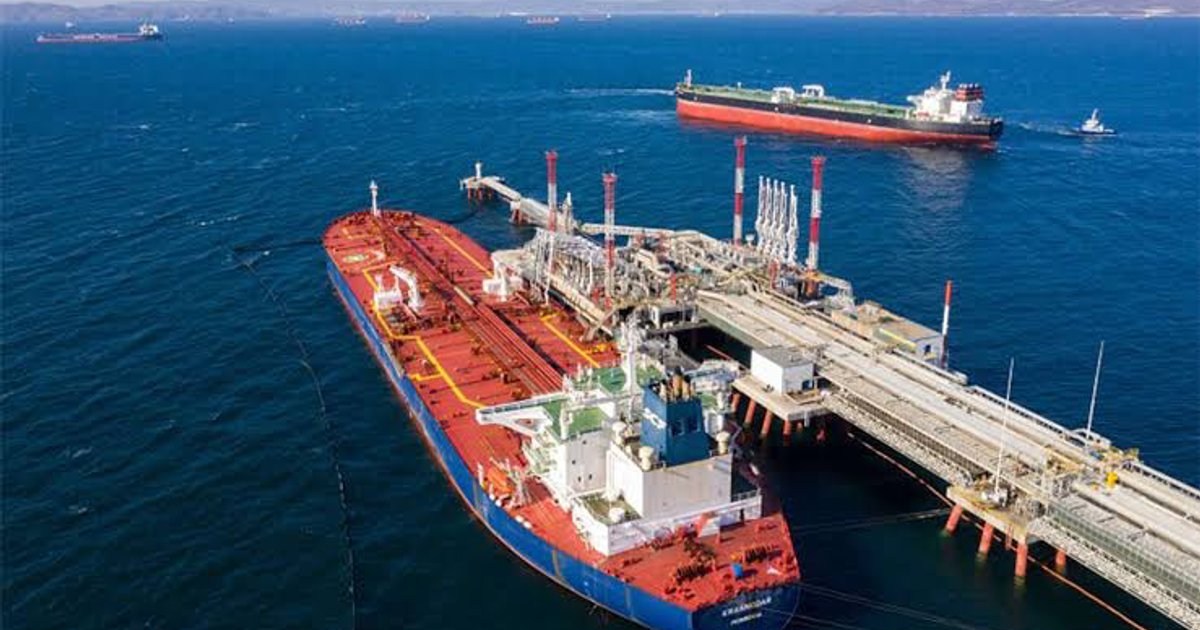
European and African oil markets are under increasing pressure, with some price differentials reaching record levels as summer approaches. Asian countries, the largest oil-importing continent, are working to secure their supplies amid a severe shortage resulting from Iran's closure of the Strait of Hormuz, which has now entered its fifth week.
The conflict in Iran has halted the production of at least 10 million barrels per day of oil from the Middle East, representing about 10% of global daily consumption. These disruptions have significantly impacted oil markets, with Dubai oil prices reaching an all-time high of $169.75 per barrel on March 23, surpassing the previous record for Brent oil prices of $147.50 in 2008.
Event Details
Under these circumstances, North Sea oil prices have risen, with Forties crude from the North Sea increasing by $7.20 per barrel compared to Brent prices, marking an all-time high according to LSEG data. Additionally, surrounding paper markets indicate price pressures, as Brent price contracts were trading at a premium of $12.35 per barrel compared to the six-week contract, also a record.
According to analysis by Neil Atkinson, a former oil market expert at the International Energy Agency, "the world is facing a shortage of available barrels, forcing buyers to raise prices to secure what they need." This shortage and fierce competition from Asian buyers have driven prices up for European buyers, as reported by Morgan Stanley analysts.
Background & Context
Historically, the global economy has heavily relied on oil supplies from the Middle East, which is a major energy source. As geopolitical tensions in the region escalate, oil markets have become more sensitive to supply changes. The closure of the Strait of Hormuz, one of the most important maritime routes for oil transport, complicates the situation further, as approximately 20% of total global oil supplies pass through it.
Concerns are growing that these disruptions could have negative effects on the global economy, especially given the increasing reliance on oil from Asian countries. As prices rise, consumers worldwide are facing mounting pressures, which could lead to a slowdown in economic growth.
Impact & Consequences
Markets expect that pressures on oil prices will continue in the near future, potentially leading to increased energy costs for consumers and businesses. Additionally, rising prices may affect investment decisions in the energy sector, as companies may shift towards new strategies to adapt to these conditions.
Moreover, higher oil prices could lead to increased inflation in many countries, placing additional pressure on governments striving for economic stability. At the same time, some oil-producing countries may benefit from these price increases, boosting their revenues.
Regional Significance
For Arab countries, rising oil prices could have dual effects. On one hand, oil-producing nations like Saudi Arabia and the UAE may benefit from increased revenues, enhancing their public budgets. On the other hand, oil-importing countries may face significant challenges due to rising energy costs, impacting their local economies.
In conclusion, the situation in global oil markets remains complex, with escalating geopolitical tensions directly affecting prices. It is crucial for Arab countries to closely monitor these developments, as their impacts could have far-reaching consequences for their economies and interests.