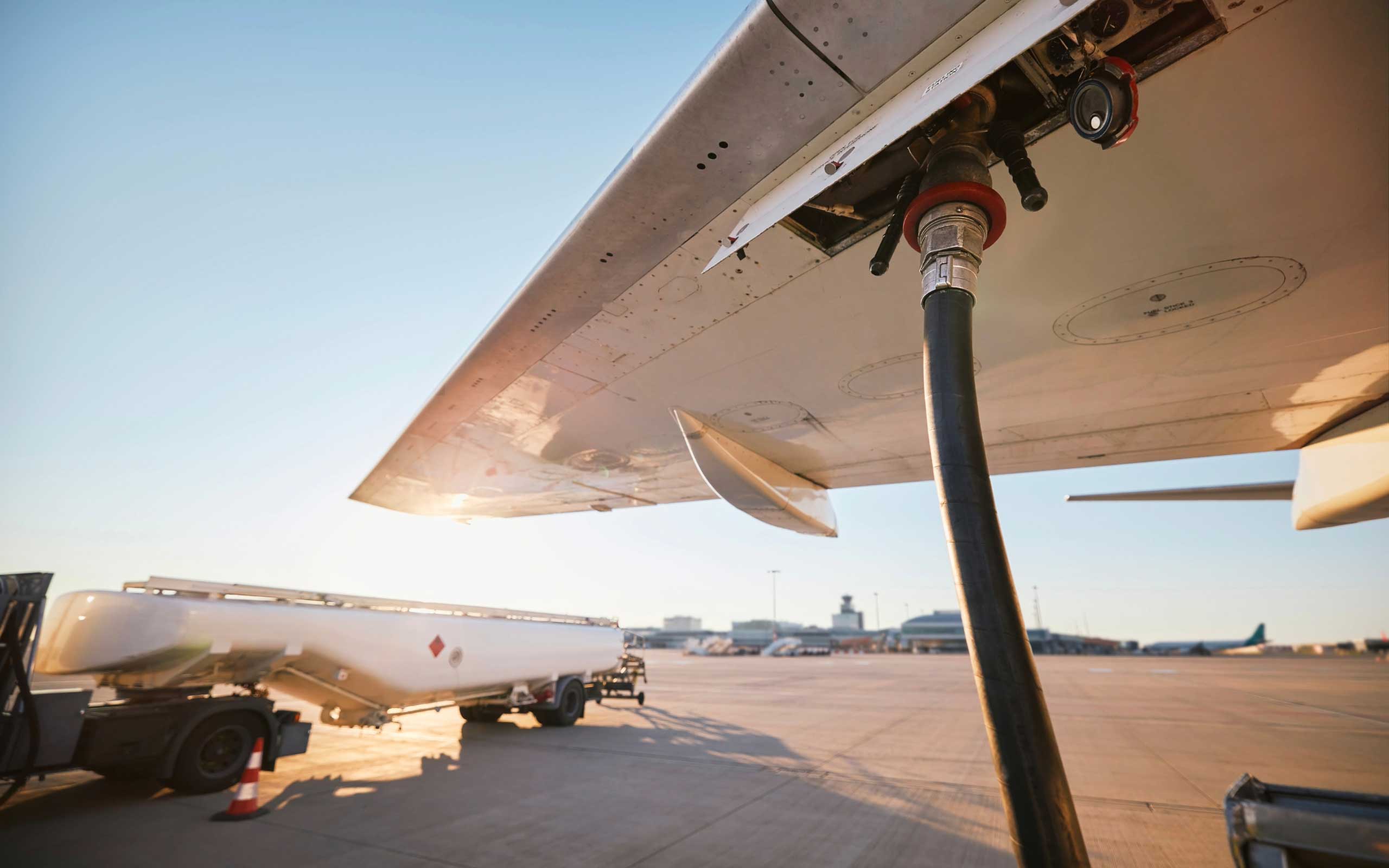
The European aviation sector is at a critical juncture, facing a fuel shortage that coincides with escalating geopolitical tensions. This crisis reveals a complex equation that threatens both energy security and the sustainability of the green transition simultaneously.
Concerns are growing among European airlines that this crisis could impact their operational capabilities, potentially leading to reduced flight schedules and increased prices. This comes at a time when the sector is striving to achieve sustainability goals and reduce carbon emissions, which requires a continuous supply of sustainable fuel.
Details of the Situation
Reports indicate that many European airlines have begun taking precautionary measures to address the fuel shortage. Some of these companies have reduced the number of flights, while others are seeking alternative fuel sources. Meanwhile, European governments continue to work on enhancing energy security, but geopolitical tensions cast a shadow over these efforts.
Energy markets are significantly affected by tensions between major nations, where conflicts lead to fluctuations in fuel prices. These fluctuations directly impact the operating costs for airlines, which in turn reflects on ticket prices.
Background & Context
In recent years, the European aviation sector has undergone significant transformations due to climate change and increasing pressure to achieve sustainability goals. However, geopolitical events, such as conflicts in certain regions of the world, negatively impact the stability of the energy market.
Historically, the aviation sector has heavily relied on fossil fuels, but the shift towards sustainable fuel has become an urgent necessity. Nevertheless, the shortage of sustainable fuel could hinder these efforts and affect companies' ability to meet their environmental targets.
Impact & Consequences
Reports predict that the fuel shortage will lead to increased air ticket prices, which could affect travel and tourism in Europe. Additionally, this situation may negatively impact the European economy as many sectors rely on air travel.
Furthermore, the ongoing fuel shortage crisis may compel some companies to reassess their operational strategies, potentially leading to radical changes in how they manage their operations. These changes may include investing in new technologies or seeking strategic partnerships to enhance energy security.
Regional Significance
The Arab region is considered one of the most important energy sources in the world; therefore, any crisis in the European energy market could directly impact Arab countries. Some nations may benefit from increased demand for fuel, while others may face challenges in exporting their products.
Moreover, the geopolitical tensions in Europe may affect trade relations between Arab countries and Europe, potentially leading to changes in trade and investment policies.
In conclusion, the fuel shortage in the European aviation sector represents a significant challenge that requires a swift and effective response from governments and companies. Achieving a balance between energy security and sustainability goals will be crucial in the upcoming phase.