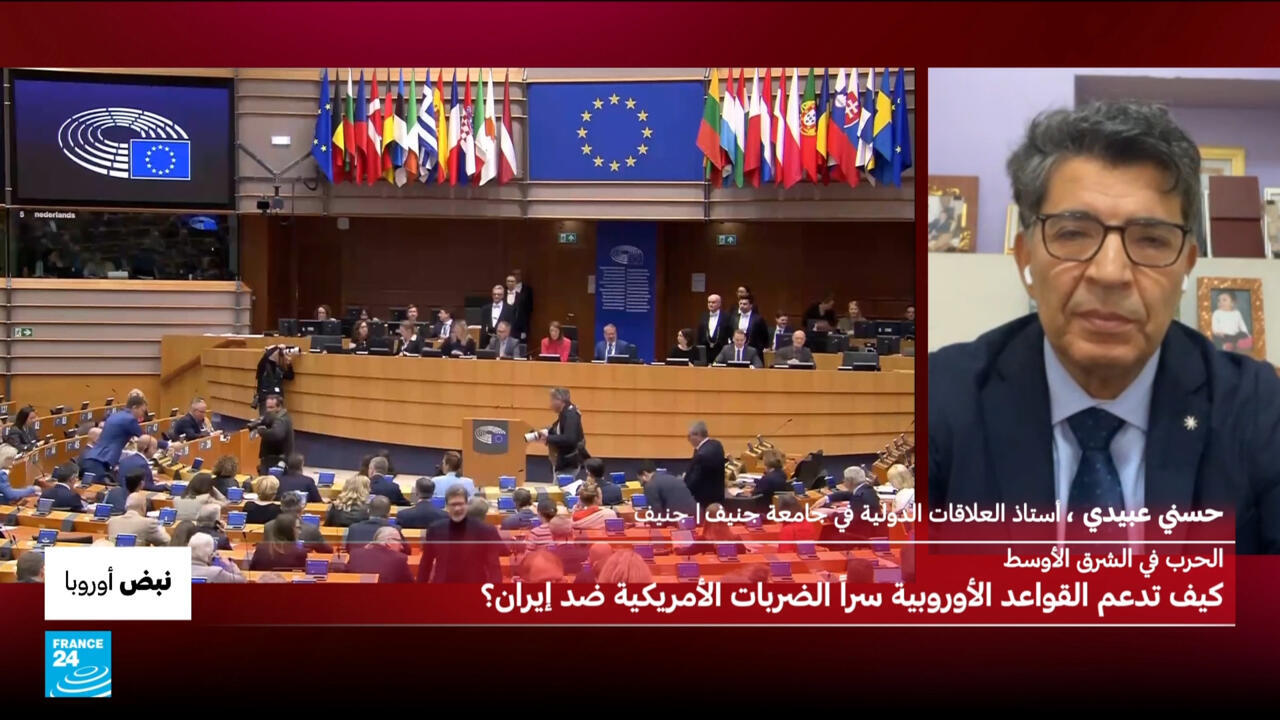
Questions are increasingly being raised about the role that European countries play in supporting US military operations against Iran, despite the official announcement from European leaders rejecting participation in this war. This discrepancy between the official political stance and logistical support raises many questions about the limits of European engagement in the conflict.
The military bases spread across countries such as the UK, Germany, Italy, and Greece have become an essential part of one of the most complex logistical operations undertaken by the US military in decades. These bases provide the necessary logistical support, enabling the United States to carry out its military operations efficiently and swiftly.
Details of the Situation
Despite the sharp criticism directed at European leaders by the US president regarding their stance on the war, information suggests that these countries continue to provide indirect support for military operations. The military bases in Europe play a vital role in facilitating the movement of troops and equipment, reflecting a clear discrepancy between the official stance and actual support.
European countries, such as the UK and Germany, possess advanced military bases that contribute to enhancing US military capabilities. This military cooperation, although not officially announced, raises concerns among many observers who see it as contradictory to the declared political positions.
Background & Context
Historically, the relationships between the United States and European countries have been based on military and security cooperation. Since the end of the Cold War, American military bases in Europe have become part of the Western defense strategy. With rising tensions with Iran, these bases have taken on a pivotal role in enhancing US military capabilities in the region.
In recent years, relations between the United States and Iran have experienced increasing tension, prompting Washington to bolster its military presence in the Middle East. This tension has been reflected in European positions, which have adopted a more cautious policy towards the conflict.
Impact & Consequences
This discrepancy between the European stance and logistical support could lead to serious repercussions for relations between the United States and European countries. While European nations strive to maintain their independent political positions, their indirect support for US military operations may place them in an awkward position before their populations.
Additionally, this situation could affect stability in the region, as it may lead to escalating tensions between Iran and Western countries. Furthermore, this European involvement could open the door to negative reactions from Iran, complicating the security landscape in the Middle East.
Regional Significance
For the Arab region, the escalating tensions between the United States and Iran could negatively impact security and stability. Arab countries, already suffering from internal conflicts and regional tensions, may find themselves in a difficult position if military operations escalate.
Moreover, European support for US military operations could lead to increased polarization in the region, strengthening the position of extremist forces and complicating peace and stability efforts.
In conclusion, the question remains about how European countries will balance their political positions with logistical support for US military operations. This discrepancy could have far-reaching effects on international relations and regional security.