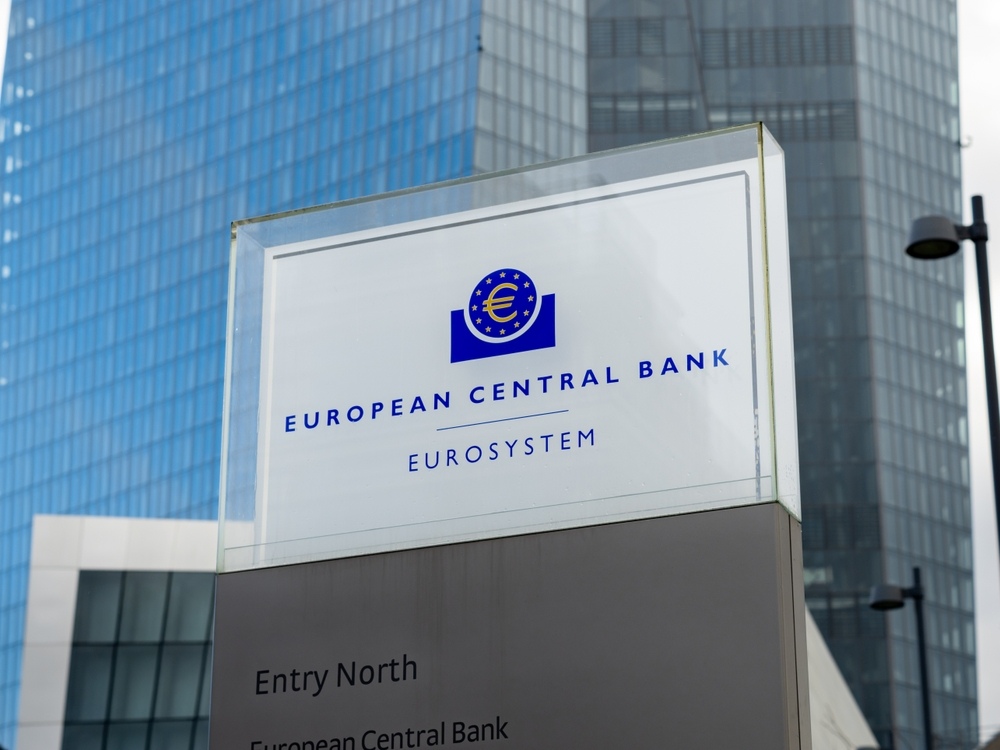
Puja Kumra, an analyst at TD Securities, emphasized that it is wise for the European Central Bank to wait before making any decisions regarding interest rates, especially in light of the escalating tensions in Iran. This was stated during an interview conducted on March 23, 2026, where Kumra discussed the impact of geopolitical crises on bond markets and interest rates in Europe and the United Kingdom.
Kumra points out that the current situation requires policymakers at the European Central Bank to be cautious in their steps, as the global economic conditions are unstable. She also noted a rise in bond yields, reflecting increasing market anxiety about the future.
Event Details
Amid multiple crises in the Middle East, including the war in Iran, pressures on the European economy are mounting. Recent data has shown a significant increase in European government bond yields, indicating a state of uncertainty in the markets. In this context, Kumra believes that the European Central Bank should adopt a cautious approach in dealing with interest rates.
Kumra anticipates that the European Central Bank will move towards a more cautious monetary policy, as any increase in interest rates could exacerbate the economic conditions in the region. Additionally, geopolitical tensions could impact economic growth in Europe, necessitating careful consideration by the Central Bank before making any decisions.
Context and Background
Historically, the Middle East has witnessed numerous crises that have directly affected the global economy. The war in Iran is not new, but it comes at a sensitive time as European economies are recovering from the impacts of the COVID-19 pandemic. In recent years, there have been numerous attempts to stabilize the region, but conditions remain volatile.
The European Central Bank, established in 1998, plays a vital role in stabilizing the European economy. However, the current challenges require it to make well-considered decisions, especially in light of the increasing crises in the region.
Consequences and Impact
Economic analyses confirm that any decision made by the European Central Bank regarding interest rates will directly impact financial markets. A rise in interest rates could lead to increased borrowing costs, adversely affecting investments and economic growth. Additionally, tensions in Iran could lead to rising oil prices, further increasing inflationary pressures in Europe.
At the same time, stability in interest rates could provide some security to the markets, encouraging investments. Therefore, the decision made by the European Central Bank will have significant implications for both the European and global economies.
Impact on the Arab Region
The economic conditions in Europe are of great importance to Arab countries, as many of these nations rely on trade and investment from Europe. Any deterioration in the European economy could affect Arab exports and increase economic pressures in the region.
Moreover, tensions in Iran could impact security and stability in the Arab region, necessitating that Arab nations be prepared to deal with any potential repercussions. Thus, monitoring developments in Europe is crucial for Arab countries.
In conclusion, the question remains regarding how the European Central Bank will handle the current crises. Making well-considered decisions under these circumstances may be key to achieving economic stability in Europe and the region.