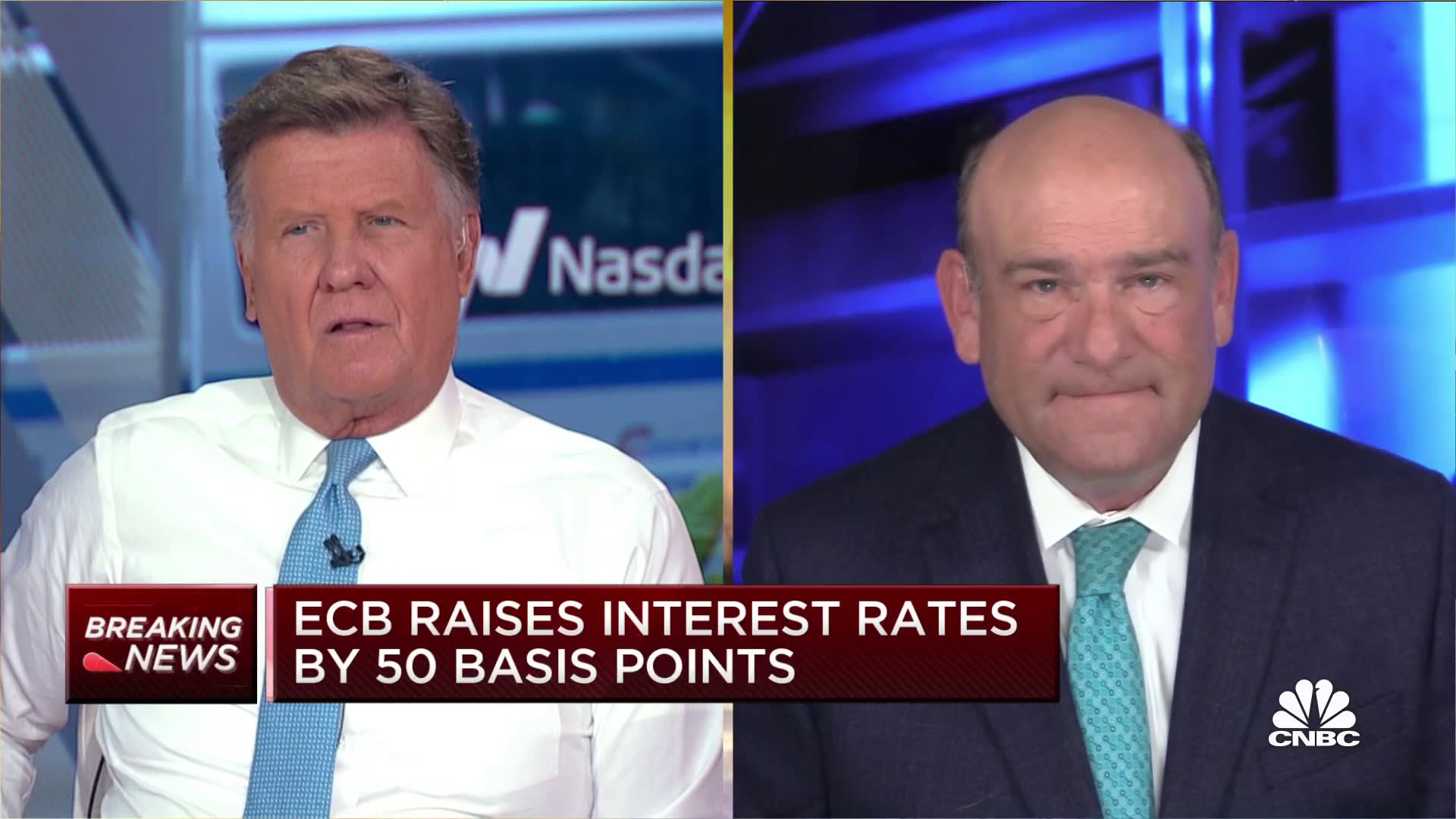
A member of the European Central Bank's board, Olaf Sleipner, revealed that the upcoming meeting will discuss the possibility of raising interest rates or keeping them unchanged. This comes at a time when the European economy faces multiple challenges, making this discussion pivotal for the future of monetary policy in the Eurozone.
Pressure is mounting on the European Central Bank as inflation rates continue to rise in many member states. This meeting represents a critical opportunity to assess the current economic conditions and make the appropriate decision that could impact financial markets and consumers in the region.
Details of the Upcoming Meeting
All eyes are on the next meeting of the European Central Bank, where members will consider their options regarding interest rates. If a decision is made to raise rates, it could have direct effects on borrowing and spending in the Eurozone. The decision is expected to be based on recent economic data, including inflation and economic growth rates.
Sleipner noted that the central bank is closely monitoring the economic situation, and any decision made will be supported by thorough analyses of the available data. There are also concerns that raising rates could negatively impact the fragile economic recovery seen in some European countries.
Background & Context
Historically, the European Central Bank has undergone several cycles of interest rate hikes, particularly during periods of high inflation. However, the current economic conditions differ from the past, as member states face new challenges such as the repercussions of the COVID-19 pandemic and the energy crisis.
In recent years, the European Central Bank has taken unconventional steps to maintain economic stability, including monetary stimulus programs. Nevertheless, the continued rise in inflation may force it to reconsider its monetary policy.
Impact & Consequences
If the European Central Bank decides to raise interest rates, it could lead to increased borrowing costs, which may affect businesses and individuals. Conversely, if rates are kept unchanged, inflation may continue to exert pressure on the economy, potentially leading to negative consequences for financial stability.
These decisions are crucial for financial markets, as they can influence the value of the euro against other currencies, in addition to their impact on both foreign and domestic investments.
Regional Significance
Arab countries are also affected by the decisions made by the European Central Bank, especially those related to trade and investment. If rates are raised, investors may shift towards European markets, impacting the flow of investments into Arab countries.
Moreover, rising interest rates in Europe could lead to increased borrowing costs in Arab countries, which may affect developmental and economic projects in the region.
In conclusion, the upcoming meeting of the European Central Bank remains a significant turning point, as members will have to make a decision that could impact both the European and global economies. Everyone is looking forward to the outcomes of this meeting, which will determine future trends in monetary policy within the Eurozone.