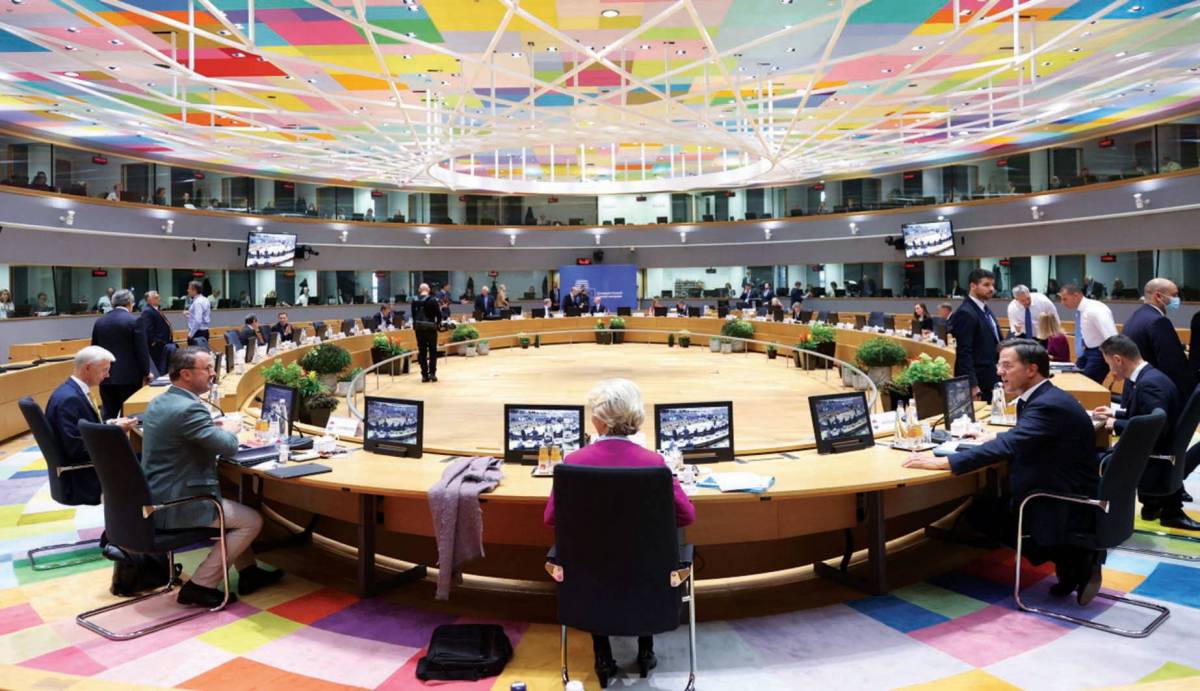
Christine Lagarde, President of the European Central Bank, stated that the bank will act decisively and swiftly to address any inflation wave that may arise from the current rising energy costs. Lagarde emphasized that the bank is still evaluating the economic shock resulting from the war in Iran, reflecting the challenges facing the European economy at present.
In her remarks, Lagarde clarified that the European Central Bank will not hesitate to take necessary actions if circumstances require it, noting that inflation could accelerate if energy prices continue to rise. She stressed the importance of taking proactive steps to maintain price stability in the Eurozone.
Details of the Event
Lagarde's statements come at a sensitive time, as the European economy grapples with the repercussions of the war in Iran, which has led to a sharp increase in energy prices. This increase has directly impacted the cost of living, adding pressure on households and businesses across the region.
Lagarde also indicated that the European Central Bank is closely monitoring developments in energy markets and assessing potential risks that could affect economic stability. Should energy prices continue to rise, the bank is prepared to activate its monetary tools more rapidly.
Background & Context
Historically, the Eurozone has experienced several economic crises due to rising energy prices, as energy is one of the main factors influencing inflation. Previous crises have prompted strict measures from the European Central Bank, such as raising interest rates or reducing stimulus programs.
The war in Iran, which began earlier this year, could have far-reaching implications for the global economy, not just in Europe. The increase in geopolitical tensions affects oil and gas markets, leading to significant price volatility.
Impact & Consequences
If energy prices continue to rise, this could lead to a new wave of inflation, affecting the purchasing power of citizens in the Eurozone. Various economic sectors, including industry and services, are expected to be impacted due to rising production costs.
Moreover, rising inflation may compel the European Central Bank to make difficult decisions regarding monetary policy, which could affect economic growth in the region. If interest rates are raised, this could burden households and businesses, increasing economic pressures.
Regional Significance
The Middle East is one of the regions most affected by fluctuations in energy prices, as many Arab countries rely on oil and gas exports. Therefore, any increase in energy prices could impact government revenues and local economies.
Additionally, geopolitical tensions in Iran may lead to increased instability in the region, potentially affecting foreign investments and heightening economic risks. Thus, monitoring developments in Iran and their impact on energy prices will be vital for Arab countries.
In conclusion, economic challenges remain, and the European Central Bank must make strategic decisions to address potential risks. Arab countries also need to prepare to deal with the repercussions of rising energy prices on their economies.