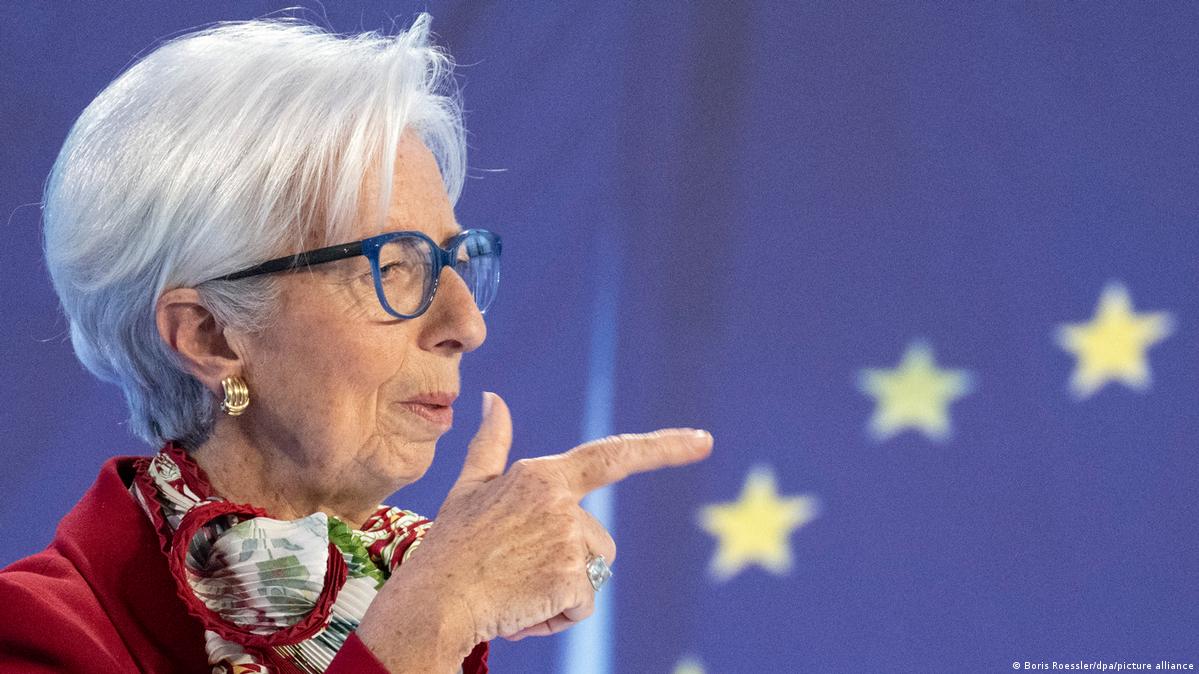
Boris Voitkech, a member of the European Central Bank's board, has warned that the bank must remain 'flexible and vigilant' in the face of rising stagflation risks exacerbated by the war in Iran. These statements come at a sensitive time as economic pressures in the Eurozone are mounting, necessitating urgent measures to maintain price stability.
Under the current circumstances, the European Central Bank faces significant challenges, including rising inflation rates and slowing economic growth. Voitkech noted that the situation requires the central bank to take swift and effective steps to ensure price stability in the region, especially with escalating geopolitical tensions in the Middle East.
Details of the Event
Voitkech's remarks come at a time when the European economy is under increasing pressure due to rising energy and commodity prices, threatening to push inflation rates higher. He emphasized that the central bank must be prepared to adapt to changing conditions, stressing the importance of making quick and effective decisions to address these challenges.
He also indicated that the war in Iran could worsen economic conditions, increasing the risks of stagflation. He called for close monitoring of developments to ensure an effective response from the central bank.
Background & Context
Since the beginning of the year, the Eurozone has witnessed a significant rise in inflation rates, surpassing the targets set by the central bank. Several factors have contributed to this increase, including sharp rises in energy prices due to geopolitical conflicts, as well as disruptions in global supply chains.
Historically, Europe has faced similar economic crises, where political tensions led to negative impacts on the economy. For instance, in 2008, the global financial crisis resulted in a deep economic recession in many European countries, highlighting the importance of a rapid and effective response from financial institutions.
Impact & Consequences
If conditions continue as they are, this could exacerbate economic crises in the Eurozone, negatively impacting economic growth and investment. Stagflation could also lead to increased unemployment rates, placing additional pressure on European governments.
It is crucial for the European Central Bank to take proactive steps to address these challenges, including adjusting monetary policies and providing support to affected economies. There must be a balance between controlling inflation and stimulating economic growth to ensure stability in the region.
Regional Significance
The Arab region is directly affected by the economic conditions in Europe, as many Arab countries are key trading partners with Eurozone nations. Any deterioration in the European economy could impact exports and imports, reflecting on economic growth in Arab countries.
Moreover, rising energy prices due to conflicts in the Middle East can affect the budgets of Arab nations, increasing economic pressures. Therefore, it is essential for Arab countries to closely monitor economic developments in Europe and be prepared to adapt to any changes that may arise in the global market.