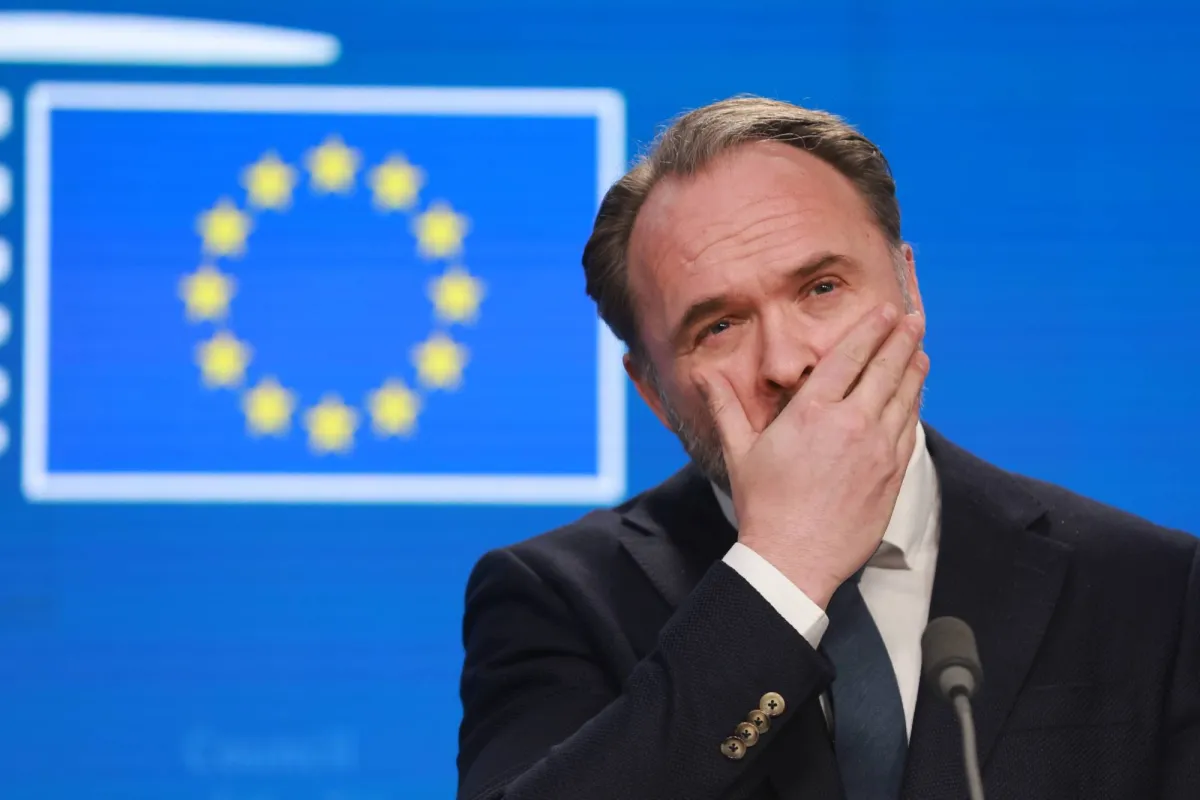
The European Commission called on EU member states on Tuesday to take immediate action to reduce domestic fuel demand, amid skyrocketing energy prices resulting from the repercussions of conflicts in the Middle East.
European Energy Commissioner Dan Jørgensen emphasized during a press conference following his meeting with energy ministers from the 27-member bloc that the current situation is "capable of worsening," stressing that "reducing demand has become an urgent necessity."
Details of the Event
Jørgensen clarified that "there is no one-size-fits-all solution," but pointed out that "the more oil we can save, especially diesel and jet fuel, the better our situation will be." He also urged national governments to place "energy conservation" at the core of their plans to address the crisis, warning that the continuation of conflict could present the continent with unprecedented challenges in securing supplies.
These statements come at a time when global markets are experiencing severe disruptions in oil supply chains, prompting Brussels to seek urgent alternatives and reduce consumption to avoid a scenario of "total chaos" in the transport and industrial sectors.
Context and Background
European countries are facing increasing pressure due to sharp rises in energy prices, which have been significantly affected by ongoing conflicts in the Middle East, particularly the Israeli war on Iran. These conditions have led to fluctuations in oil prices, impacting the economies of EU member states.
At the same time, Jordan's oil derivatives pricing committee decided to raise fuel prices starting in April by up to 15%, reflecting the impact of global prices on the local market. Additionally, the Brazilian company Petrobras announced a sharp increase in jet fuel prices by up to 55%, further increasing pressures on the country's aviation industry.
Consequences and Impact
These increases in fuel prices are expected to raise transportation and shipping costs, which will affect the prices of goods and services in European and global markets. Companies will also be forced to raise ticket prices to cope with rising costs, which may lead to a decline in travel demand.
In this context, analysts expect European governments to take measures to support affected sectors, such as providing credit facilities or tax reductions to mitigate the negative impact on the economy.
Impact on the Arab Region
Arab countries are directly affected by these developments, as many of them rely on oil exports as a primary source of revenue. Rising oil prices may lead to increased revenues, but at the same time, they could negatively impact the local economies of oil-importing countries.
Furthermore, the continuation of conflicts in the Middle East may threaten the stability of oil supplies, complicating the economic situation in the region.
In conclusion, the conditions in global energy markets remain volatile, requiring both European and Arab countries to take proactive steps to ensure the stability of supplies and prices.