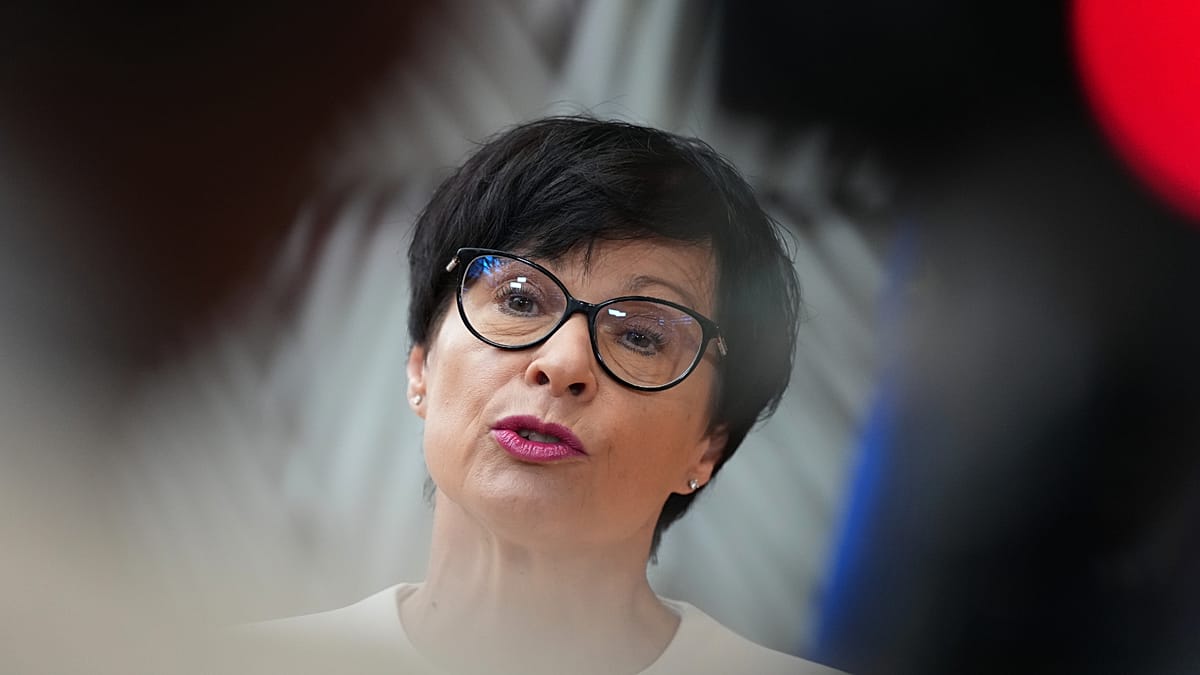
In a move reflecting the European direction towards strengthening relations with Ukraine, the European Commissioner for Enlargement, Marta Kos, announced a deadline in July to open all negotiation groups for the accession of Ukraine and Moldova. This announcement came during a press conference in Brussels, where Kos emphasized the importance of accelerating the process given the opportunity presented by the new government in Hungary.
Kos noted that preparations have been completed and everything is ready to begin, urging member states to officially open all groups. The first negotiation group is expected to open in June during Cyprus's rotating presidency of the European Union, followed by five additional groups by July when Ireland takes over the presidency.
Details of the Negotiation Groups
The negotiation groups are related to implementing key reforms that align with EU standards, ranging from the rule of law to judicial system reforms. Any country seeking to join the EU must meet all required criteria, as the final decision depends on unanimous approval from the 27 member states.
The European Commission asserts that Ukraine is technically ready to start the accession process, despite previous setbacks caused by Hungary's veto policy under former Prime Minister Viktor Orbán. With the change in leadership in Hungary, Brussels hopes that Budapest will adopt a more constructive approach to expedite Kyiv's path to membership.
Background & Context
Since the onset of the conflict in Ukraine, Kyiv has been striving to enhance its relations with the EU, with membership in the EU representing a strategic goal for Ukraine. At the same time, Hungary under Orbán had imposed vetoes on certain aspects of the negotiations, hindering progress. With the new Prime Minister Magyar taking office on April 9, hopes are rising for improved relations between Ukraine and Hungary.
Magyar, who was sworn in on Europe Day, has defended Ukraine's territorial integrity under international law but has rejected any rapid path to EU membership, a view shared by most member states. Meanwhile, Ukraine is seeking a clear timeline for the accession process.
Impact & Consequences
Opening the negotiation groups could accelerate the reform process in Ukraine, enhancing the country's stability under current conditions. Additionally, the success of these negotiations may strengthen Ukraine's position on the international stage, reflecting the EU's commitment to supporting countries seeking membership. However, challenges remain, as all required criteria must be met, along with the need for consensus among member states. The political changes in Hungary may be a positive step, but they are not sufficient to guarantee an expedited accession process without the necessary reforms.
Regional Significance
This negotiation process is a crucial step towards enhancing relations between Ukraine and the EU, which could significantly impact regional stability. The EU's support for Ukraine in its pursuit of membership is indicative of its broader strategy to foster democratic governance and stability in Eastern Europe. As the situation evolves, the dynamics between Ukraine and Hungary will be pivotal in shaping the future of EU enlargement.
In conclusion, the upcoming negotiations represent a vital opportunity for Ukraine to align itself more closely with European standards and values, potentially transforming its geopolitical landscape.