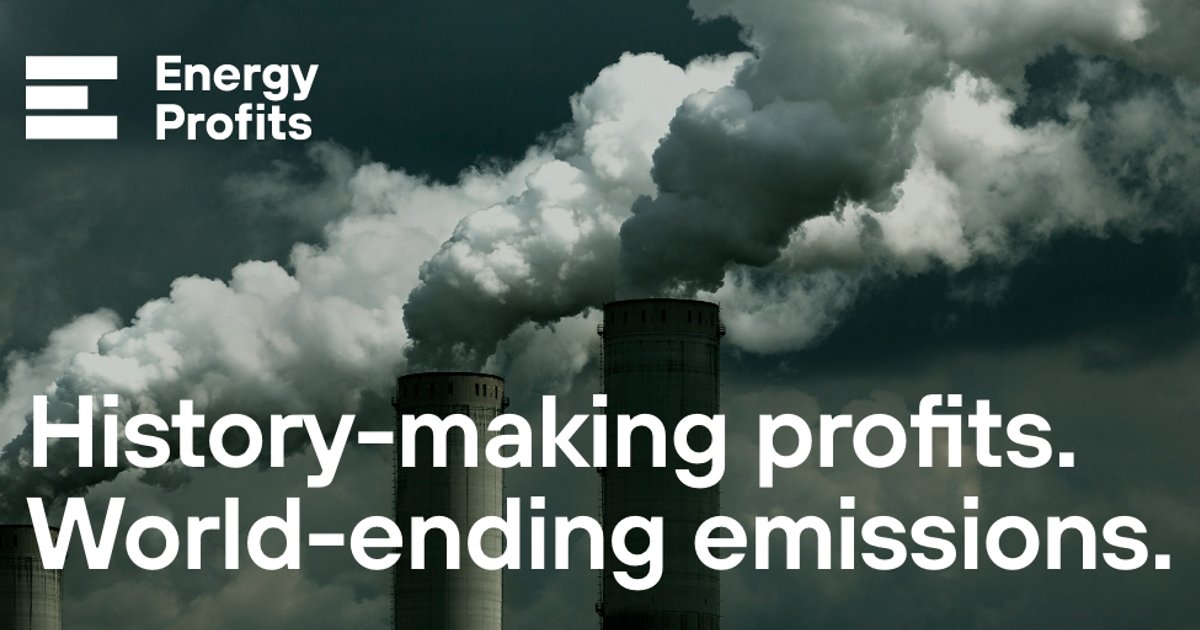
In an unprecedented move, five European countries—Spain, Italy, Greece, Belgium, and Portugal—have called for an extraordinary tax on the profits of major energy companies. This call comes in light of the significant rise in energy prices, which has directly affected citizens and European economies.
These countries are seeking urgent measures to address the repercussions of rising prices, as pressure mounts on governments to provide greater support to consumers. The relevant ministers have indicated that this tax could be used to fund social support programs for affected citizens.
Details of the Initiative
In a meeting held in Brussels, the five countries discussed ways to cooperate in addressing the energy crisis and emphasized the need for collective action to tackle current challenges. The ministers noted that energy companies have achieved unprecedented profits in recent times, necessitating the redistribution of these profits to assist the most affected groups.
This call comes at a time when Europe is suffering from a severe energy crisis, with gas and electricity prices soaring, impacting citizens' purchasing power. Reports indicate that many households are struggling to pay their energy bills, prompting governments to seek innovative solutions.
Background & Context
Energy prices in Europe have sharply increased since the onset of the Ukrainian crisis, as sanctions imposed on Russia have curtailed gas supplies. This crisis has affected numerous economic sectors, leading European governments to take urgent measures to protect their citizens.
In recent years, major energy companies have been generating massive profits, sparking widespread debate about economic fairness. The five countries believe that imposing a tax on these profits is a necessary step to achieve social justice and alleviate the burden on citizens.
Impact & Consequences
If this tax is implemented, it could lead to significant changes in how governments interact with energy companies. This move may encourage a reevaluation of tax policies in European countries and could result in greater pressure on companies to offer more competitive prices.
Additionally, this call may provoke reactions from energy companies, which may strongly oppose these measures. Should governments respond to these pressures, it could lead to changes in investment strategies and expansion within the energy sector.
Regional Significance
These developments are particularly significant for the Arab region, where many countries rely on oil and gas exports. If European countries succeed in imposing this tax, it could impact global energy prices, reflecting on the economies of oil-producing countries in the region.
Furthermore, this step may increase pressure on Arab countries to adopt similar policies, especially amid the economic challenges they face. Arab governments may need to consider how to manage energy prices and their impact on their citizens.
In conclusion, the call from European countries to impose a tax on the profits of energy companies stands out as a bold step in addressing the current energy crisis. It remains to be seen how companies and other nations will respond to this call and whether it will lead to real changes in economic policies.