European Commission spokesperson Anna-Kaisa Itkonen announced that the energy crisis stemming from the war in Iran is unlikely to be short-term, which raises alarm among European countries heavily dependent on energy supplies.
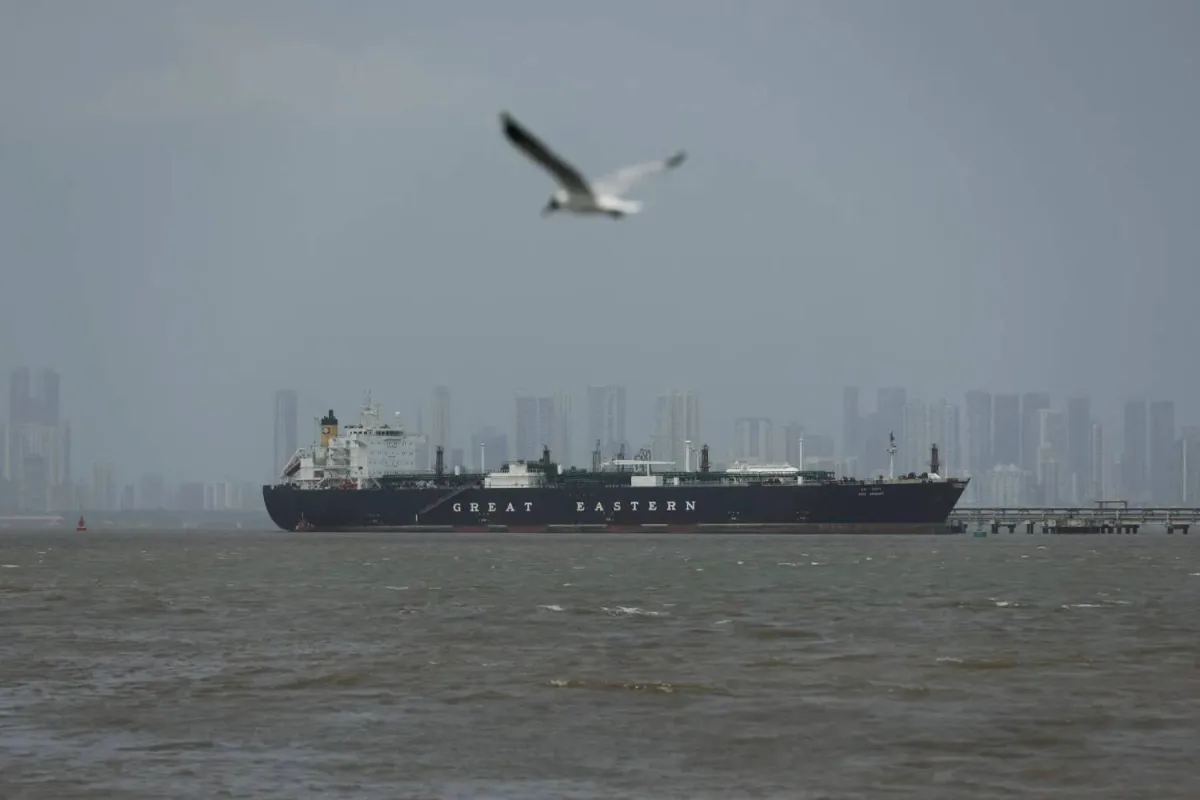
Itkonen explained during a press conference that approximately 8.5% of liquefied natural gas supplies, 7% of oil supplies, and 40% of jet fuel and diesel supplies pass through the Strait of Hormuz, which Iran has nearly completely closed due to the ongoing conflict.
Details of the Situation
The spokesperson noted that the closure of the Strait of Hormuz has led to a sharp increase in energy prices, as this strait accounts for 20% of global oil and gas flows. This situation has resulted in a severe supply shortage, negatively impacting European markets.
In a related development, the United States and Iran have reached a two-week ceasefire agreement, which may help resume maritime traffic in the strait; however, the economic impact of the crisis remains significant.
Background & Context
Historically, the Strait of Hormuz is a vital strategic point in global energy trade. The region has witnessed increasing tensions in recent years, affecting the stability of energy markets. The current Iranian war represents a new escalation in a series of conflicts threatening global energy supplies.
Concerns are growing that the continuation of the conflict may exacerbate economic conditions in European countries, which are already suffering from the repercussions of the COVID-19 pandemic and previous supply crises.
Impact & Consequences
The European Commission anticipates that the effects of the crisis on energy prices will persist for an extended period, potentially leading to increased inflation in member states. This scenario may compel governments to take urgent measures to address rising living costs.
Additionally, European companies could face significant challenges in adapting to these conditions, which may impact economic growth in the region. Some countries may need to seek alternative energy sources to reduce reliance on Iranian supplies.
Regional Significance
Crises in the Middle East, such as the Iranian war, have a substantial impact on regional stability. Neighboring Arab countries may face direct repercussions due to rising energy prices and their effects on the economy.
These crises are expected to lead to a reevaluation of energy strategies in the region, as countries strive to enhance their energy security and reduce dependence on unstable sources.
In conclusion, the energy crisis resulting from the Iranian war remains a pivotal issue requiring international attention, as its repercussions may extend beyond the region's borders, affecting the global economy as a whole.