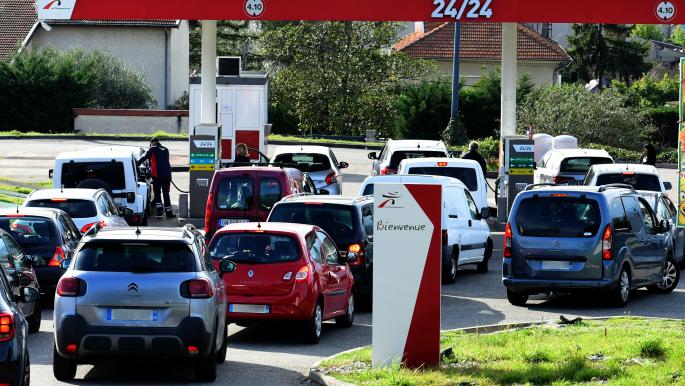
European Union energy ministers will convene on Tuesday to discuss coordinated responses to the global energy crisis exacerbated by ongoing regional conflicts. This meeting comes at a critical time as supply pressures and prices continue to rise.
European countries are striving to develop effective strategies to address the challenges posed by geopolitical crises, which have led to significant fluctuations in energy prices. This meeting serves as an opportunity for member states to exchange views and experiences, aiming to enhance cooperation and coordinate energy-related policies.
Event Details
The agenda of the meeting includes discussions on how to address supply shortages, rising prices, and securing alternative energy sources. Topics such as enhancing energy efficiency, increasing reliance on renewable energy sources, and achieving climate goals set out in the Paris Agreement will also be addressed.
This meeting occurs at a time when global markets are experiencing notable disruptions, with gas and oil prices rising sharply, adversely impacting European economies. Reports indicate that some member states are facing severe supply shortages, increasing the urgency for immediate action.
Background & Context
The global energy markets are significantly affected by ongoing conflicts in the region, particularly the dispute in Ukraine, which has led to a reduction in Russian gas and oil supplies to Europe. This situation has prompted European countries to seek alternatives, such as increasing imports from other nations and developing renewable energy projects.
Additionally, climate change and environmental commitments play a crucial role in shaping energy policies in Europe. European nations are striving to meet their climate goals by reducing dependence on fossil fuels and increasing the use of clean energy.
Impact & Consequences
The outcomes of this meeting could lead to radical changes in how energy is managed in Europe. If effective agreements are reached, the European Union may enhance energy security and reduce reliance on unstable energy sources.
These new policies are expected to influence prices in global markets and may lead to greater stability in energy markets. Furthermore, strengthening cooperation among member states could improve the ability to respond to future crises.
Regional Significance
The current energy crisis presents an opportunity for Arab oil and gas-producing countries to enhance their role in global markets. With rising energy demand, Arab nations can benefit from higher prices and expand their exports.
However, at the same time, Arab countries must be cautious of market fluctuations, as any changes in European policies may affect energy demand from the region. Therefore, it is essential for Arab nations to prepare for these challenges by diversifying their economies and enhancing energy sustainability.
In conclusion, the meeting of European energy ministers represents an important step towards addressing the current challenges in energy markets. The discussions are expected to yield results that will impact both European and global energy policies.