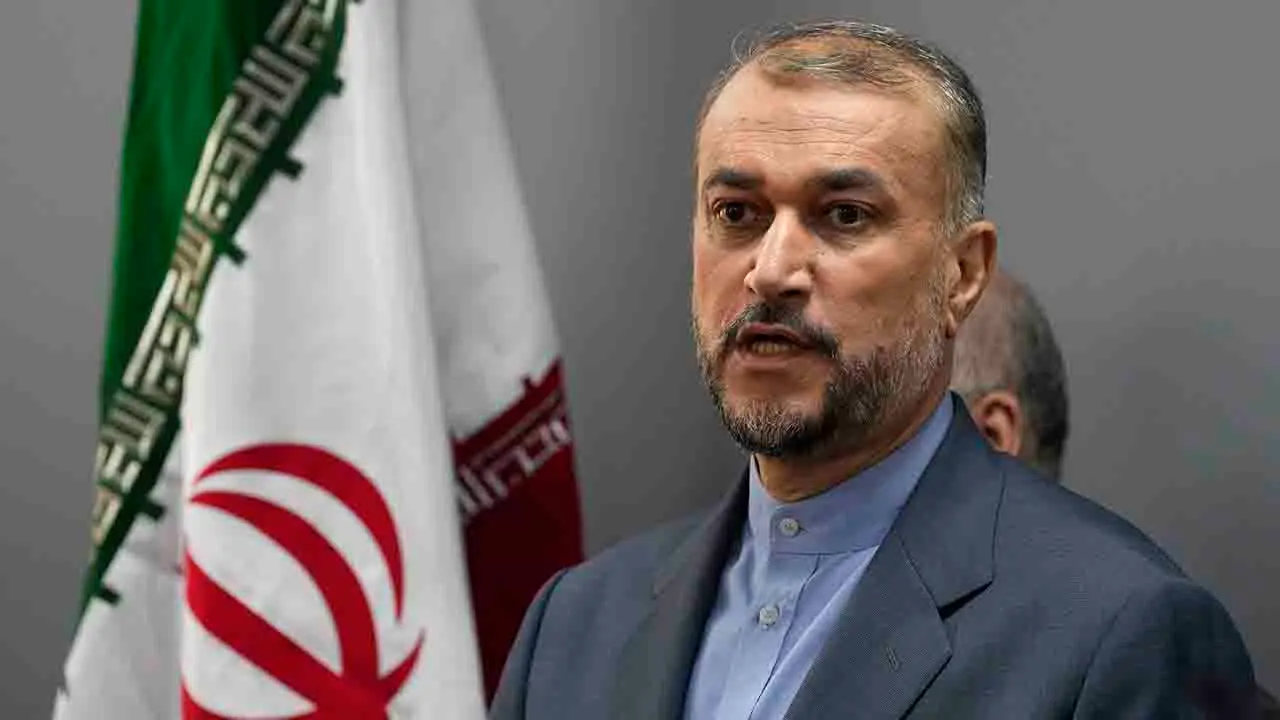
European foreign ministers are focusing on Iran's actions, which are seen as a threat to regional stability. This comes amid rising tensions in the region, prompting European leaders to take clear stances on these challenges.
The upcoming meeting's agenda includes discussing a range of foreign policy issues, with the Iranian activities in the region expected to be a major concern for many European countries. These activities include support for armed militias in Iraq and Syria, as well as the Iranian nuclear program, which raises alarms within the international community.
Details of the Meeting
The meeting is scheduled to take place in the Belgian capital of Brussels, bringing together foreign ministers from EU member states. This meeting is seen as an opportunity to assess the current situation in the Middle East and to outline necessary steps to address the Iranian threats. European officials have indicated that Iranian actions are exacerbating instability in the region, necessitating effective measures.
In this context, discussions are expected to cover the sanctions imposed on Iran, as ministers seek to coordinate efforts to counter Iran's destabilizing activities. Additionally, ways to enhance cooperation with other regional allies to tackle common challenges will be discussed.
Background & Context
The roots of tensions between Iran and European countries date back several years, with relations notably escalating following the United States' withdrawal from the Iranian nuclear deal in 2018. This withdrawal led to the re-imposition of economic sanctions on Iran, negatively impacting the Iranian economy and increasing tensions in the region.
Moreover, Iran's support for militias in Iraq and Syria is considered a key factor contributing to instability. These militias play a pivotal role in regional conflicts, complicating security situations further.
Impact & Consequences
Iranian actions are a source of concern not only for European countries but also for many Arab nations. The continuation of these activities could exacerbate security conditions in the region, threatening regional stability. Furthermore, the escalation of relations between Iran and Western countries may impact oil prices and global financial markets.
On the other hand, these developments are expected to enhance cooperation between European and Arab countries in the fields of security and defense, as all parties seek to address shared challenges. These meetings could provide an opportunity for exchanging views and experiences in confronting security threats.
Regional Significance
The Iranian tensions are a significant concern for Arab countries, as any escalation could lead to negative impacts on security and stability in the region. Many Arab nations are already suffering from the effects of ongoing conflicts, and any deterioration in Iranian-Western relations could complicate matters further.
Moreover, Iranian actions may enhance opportunities for cooperation between Arab countries and Western nations, as all parties strive for stability in the region. It is crucial for Arab states to adopt effective strategies to tackle these challenges and work towards strengthening regional security.
In conclusion, the meeting of European foreign ministers represents an important opportunity to evaluate the current situation and take effective steps to address Iranian challenges. Iranian actions are deemed a threat to regional stability, necessitating clear and decisive positions from the international community.