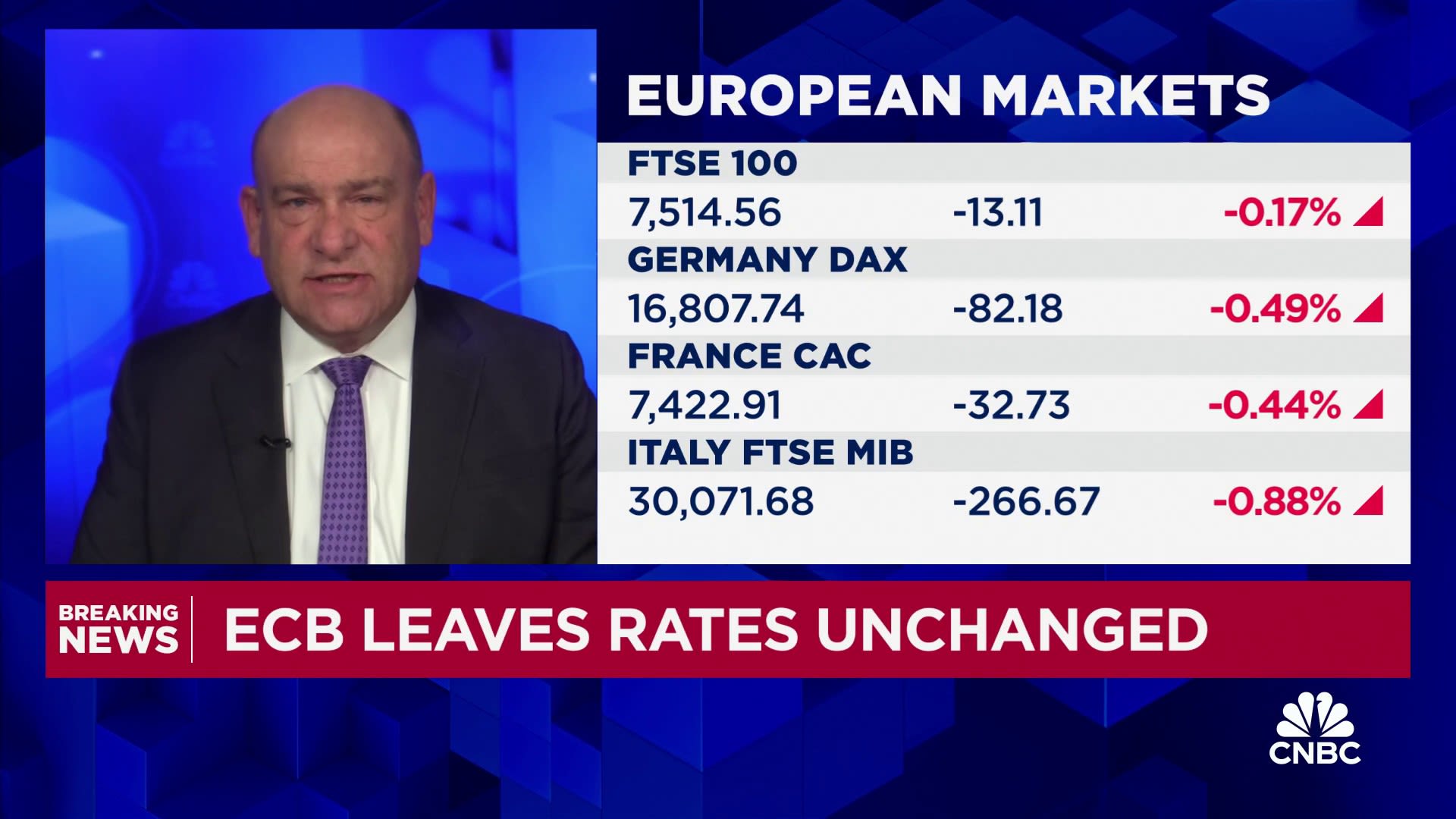
European interest rate markets are experiencing unprecedented volatility, with October expected to be the most turbulent month in the history of these markets. This volatility comes at a sensitive time as tensions escalate in the Middle East, prompting questions about the impact of algorithmic traders on this phenomenon.
The sharp fluctuations in European interest rates reflect a state of uncertainty in financial markets, as investors seek to assess the risks associated with ongoing conflicts. Data has shown that algorithmic traders, who rely on algorithms to make their decisions, have significantly contributed to the exacerbation of this volatility.
Details of the Event
Reports indicate that European interest rate markets have witnessed unprecedented fluctuations, with interest rates rising sharply at times, putting additional pressure on investors. This volatility arises during a critical period, as fears grow regarding the escalation of conflict in the Middle East and its impact on the global economy.
In these circumstances, many are questioning how algorithmic traders influence the markets. These systems rely on rapid data analysis, which can lead to quick responses to market changes, but they can also contribute to exacerbating volatility when they overreact to current events.
Background & Context
Historically, European interest rate markets have seen notable fluctuations, but what is happening now is considered exceptional. Conflicts in the Middle East, including the ongoing struggle in Gaza, have significantly affected global financial markets as investors seek to protect their funds from increasing risks.
Moreover, the monetary policies pursued by European central banks play a role in this volatility. With rising inflation rates, banks are looking to increase interest rates, which adds pressure to the markets and leads to further fluctuations.
Impact & Consequences
Volatility in European interest rate markets can significantly affect the global economy. Rising interest rates can lead to a slowdown in economic growth, making borrowing more expensive. Additionally, this volatility may impact other financial markets, including stock and commodity markets.
Furthermore, the influence of algorithmic traders may raise concerns among investors, as their rapid responses can exacerbate situations rather than improve them. This situation requires regulators to consider how to oversee these systems to ensure market stability.
Regional Significance
Considering the situation in the Arab region, fluctuations in European interest rate markets may affect Arab investments in European markets. As interest rates rise, Arab investors may hesitate to inject more funds into these markets, potentially impacting economic growth in the region.
Additionally, conflicts in the Middle East, particularly in Gaza, may affect financial stability in Arab countries, as investors seek to mitigate risks associated with investing in conflict zones.
In conclusion, the current volatility in European interest rate markets poses a significant challenge for investors and requires a swift response from policymakers to ensure the stability of financial markets under the current circumstances.