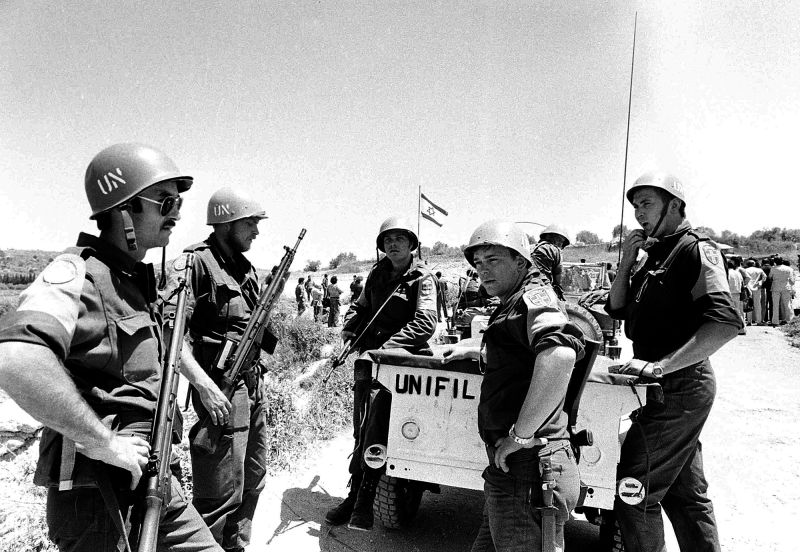
European leaders have voiced deep concern following the death of an Indonesian soldier serving with the United Nations forces in Lebanon due to an attack on their position. The attack, which occurred on Sunday, also resulted in injuries to three other soldiers, prompting strong reactions from European governments.
The world received the news of the death of Indonesian soldier Berka Farzal Romadon, who was part of the United Nations Interim Force in Lebanon (UNIFIL). Irish Prime Minister Michael Martin strongly condemned the attack, stating that an assault on peacekeeping forces is a blatant violation of international law.
Details of the Incident
The attack took place in the city of Adshit al-Qasr in southern Lebanon, where Indonesian forces were subjected to artillery shelling that led to the soldier's death and injuries to three others. Michael Martin called for respect for the role of peacekeeping forces, emphasizing the importance of protecting these soldiers who strive to achieve peace in the region.
In a related context, Spanish Prime Minister Pedro Sánchez described the incident as crossing a line, calling for an investigation into the source of the shells that targeted the Indonesian soldiers. Sánchez also urged an end to hostilities in southern Lebanon, highlighting the need to respect human rights and protect civilians.
Background & Context
Historically, Lebanon has witnessed numerous armed conflicts, with United Nations forces present since 1978 to maintain peace and stability in the region. As tensions rise among various factions, including Hezbollah and Israel, the risks faced by peacekeeping forces have increased.
This incident is one of many attacks that UN forces in Lebanon have faced, raising concerns about the safety of international soldiers and reflecting the ongoing challenges in achieving peace in the region. Peacekeeping forces have previously been subjected to similar assaults, resulting in the loss of many soldiers from various countries.
Impact & Consequences
This incident serves as a wake-up call for the international community regarding the dangers faced by peacekeeping forces and may lead to increased pressure on European governments to support peace efforts in Lebanon. It could also affect relations between the involved countries, as some may take a tougher stance towards the parties involved in the conflict.
Furthermore, the continued attacks on peacekeeping forces may lead to a reduction in the number of troops deployed in the region, exacerbating instability and increasing civilian suffering. The current situation requires a coordinated international response to ensure the safety of soldiers and protect civilians.
Regional Significance
The repercussions of this incident extend beyond Lebanon, reflecting the deteriorating security conditions in the region as a whole. The conflict in Lebanon has direct implications for neighboring countries, including Syria and Palestine, where political and military interests intersect.
This incident may also influence the stance of Arab countries towards the Lebanese conflict, as some nations may call for a reevaluation of their strategies in dealing with regional crises. Under these circumstances, hope remains pinned on the international community to achieve peace and stability in the region.