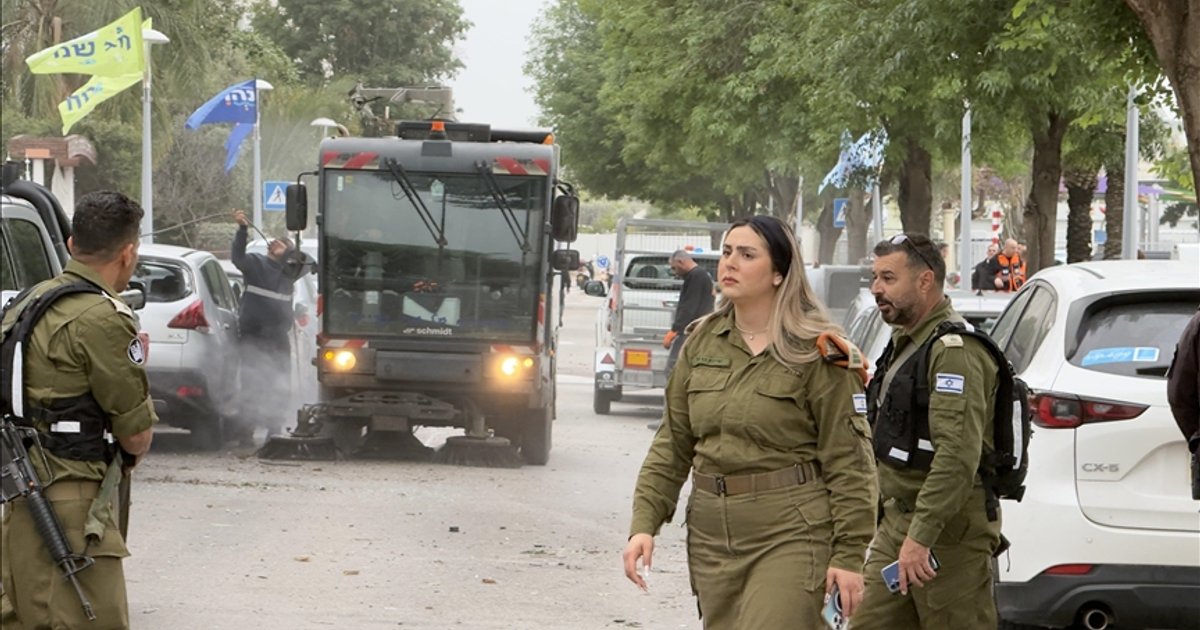
European foreign ministers have called on Israel to halt military attacks in Lebanon, stressing the necessity of adhering to international humanitarian law. This statement was made in a joint declaration issued following a meeting held in Brussels, where the ministers underscored the importance of protecting civilians and civilian infrastructure as tensions in the region escalate.
The European statement comes at a sensitive time, as the Israeli-Lebanese border witnesses a notable military escalation, raising concerns about serious humanitarian repercussions for civilians. The ministers pointed out that attacks targeting residential areas and essential infrastructure contravene international laws and exacerbate the suffering of civilian populations.
Details of the Meeting
During the meeting, the deteriorating security situation in Lebanon was discussed, with ministers expressing their concern over the rising violence in the region. They emphasized the need for immediate steps to cease hostilities, warning that continued escalation could worsen the humanitarian situation in Lebanon, which is already grappling with multiple crises.
The ministers also highlighted the importance of diplomatic dialogue as a means to resolve conflicts, urging all parties to commit to de-escalation and avoid further tensions. It was reiterated that any military escalation would only exacerbate the humanitarian situation and increase civilian suffering.
Background & Context
Historically, relations between Lebanon and Israel have been marked by ongoing tensions, particularly following the conflict that erupted in 2006. Since then, the border between the two countries has been the scene of several military incidents, resulting in significant loss of life and destruction of property. Additionally, the political situation in Lebanon, which is suffering from economic and political crises, complicates matters further.
In recent years, tensions have escalated due to the activities of Hezbollah in southern Lebanon, leading to military responses from the Israeli side. These dynamics have raised international concerns regarding stability in the region, as any military escalation is viewed as a threat to regional security.
Impact & Consequences
The implications of this European call could be significant, potentially leading to increased international pressure on Israel to cease military operations in Lebanon. Adhering to international humanitarian law could also contribute to improving the humanitarian situation in Lebanon, which is currently facing multiple crises.
On the other hand, this call may foster dialogue between the involved parties, potentially contributing to long-term stability in the region. However, the question remains regarding how responsive Israel will be to these calls and how they will affect its foreign policy.
Regional Significance
This development has direct implications for the situation in the Arab region, as any military escalation in Lebanon could impact neighboring countries and heighten regional tensions. The situation in Lebanon also reflects on conditions in Syria and Palestine, making it essential to find comprehensive diplomatic solutions.
Ultimately, hope remains that these calls will lead to positive outcomes, and that the international community can play an effective role in achieving peace and stability in the region.