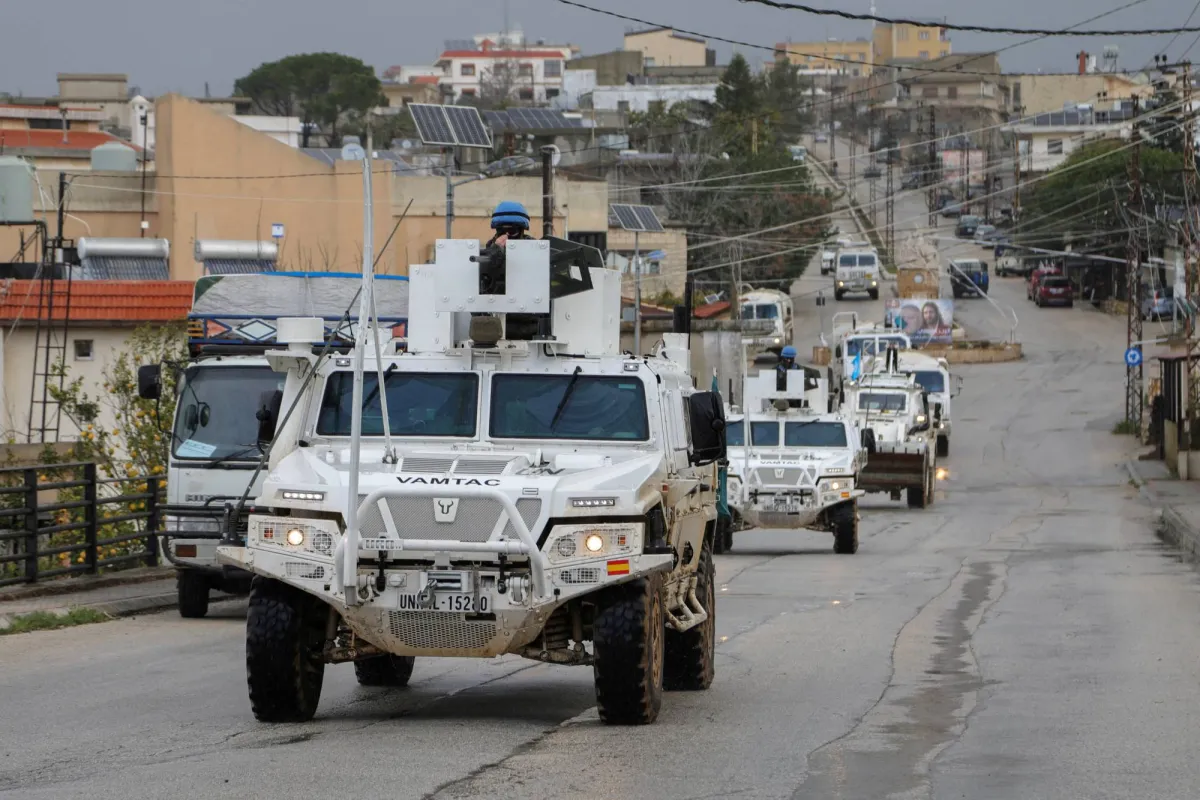
Ten European countries and the European Union called on Tuesday for the necessity of ensuring the safety of the United Nations Interim Force in Lebanon (UNIFIL) following the tragic deaths of three of its soldiers in unfortunate incidents over the past few days.
In a joint statement, the foreign ministers of Belgium, Croatia, Cyprus, France, Greece, Italy, Malta, The Netherlands, Portugal, and the United Kingdom, along with the EU's chief diplomat, emphasized the importance of protecting UNIFIL personnel and facilities, stressing the need to adhere to international law in this context.
Details of the Incident
The recent incidents that led to the deaths of the Indonesian soldiers occurred in southern Lebanon, where a UN security source reported that an Indonesian soldier was killed by fire from an Israeli tank, followed by the deaths of two other soldiers in an explosion believed to be caused by a landmine.
In the aftermath of these events, the United Nations Security Council is holding an emergency meeting to discuss the situation in Lebanon, where European ministers urged Israel to avoid any further escalation, particularly through ground operations on Lebanese territory. They also strongly condemned the attacks launched by Hezbollah against Israel, emphasizing the necessity of maintaining channels for de-escalation.
Context and Background
These events come at a time when Lebanon is witnessing heightened tensions between Hezbollah and Israel, with confrontations beginning on March 2 of this year. Since then, the international force's positions in the south have come under increasing fire, raising concerns about the safety of international soldiers.
Lebanese President Joseph Aoun emphasized the importance of negotiation as the only solution to stop the war and restore stability, pointing out that Tel Aviv refuses to respond to calls for a ceasefire. Israeli officials have escalated their rhetoric, with Israeli Prime Minister Benjamin Netanyahu stating that the decision to cease fire will rest solely with Israel.
Consequences and Impact
These events highlight the significant challenges facing UNIFIL forces in Lebanon, which are under increasing pressure amid escalating conflict. The continuation of fighting threatens to increase the suffering of civilians, with reports indicating that over one million people have been displaced due to ongoing Israeli bombardment.
President Aoun noted that Lebanon is working to address the humanitarian crisis in cooperation with brotherly and friendly countries, calling for concrete measures to restore sovereignty over Lebanese territory. At the same time, Israel continues its military operations, complicating the humanitarian situation further.
Impact on the Arab Region
These events have significant implications for the regional situation, as they highlight tensions between regional and international powers. The continuation of the conflict in Lebanon could lead to negative repercussions for stability in the region and increase the likelihood of escalating conflict between Israel and Hezbollah.
In light of these circumstances, hope remains pinned on international diplomatic efforts, particularly from European countries, to ensure security and stability in Lebanon and avoid further escalation.