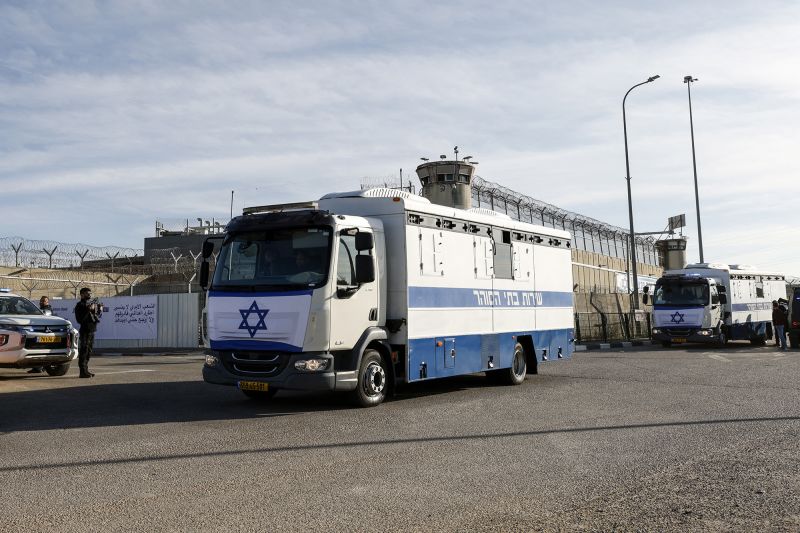
Germany, France, Italy, and the UK have expressed serious concern regarding an Israeli bill aimed at expanding the death penalty, which is expected to be put to a vote in the Knesset in the coming days. This statement follows the approval by the Knesset's National Security Committee last Tuesday of a bill that allows for the execution of Palestinian prisoners in its final reading.
In a joint statement issued by the German Foreign Ministry, the four countries emphasized the discriminatory nature of the bill, noting that its adoption threatens the democratic principles that Israel is committed to. They clarified that this bill represents a dangerous step towards expanding the possibilities of imposing the death penalty in the country.
Details of the Legislative Process
The Knesset's National Security Committee approved the bill concerning the execution of Palestinian prisoners after making amendments, paving the way for a second and third reading vote in the Knesset. Although the nature of the amendments has not been disclosed, the Knesset had approved the first reading of the bill last year before it was revised.
In this context, the Secretary-General of the Palestinian National Initiative, Mustafa Barghouti, warned that Israel is exploiting the world's focus on the war with Iran to intensify its violations in Palestinian territories, including killings and abuses, and to push through the death penalty law against Palestinian prisoners.
Context and Background
These developments come at a time when tensions in the region are escalating, as Israel seeks to reinforce its repressive policies against Palestinians. The death penalty bill has sparked widespread reactions from human rights organizations, which consider this law a blatant violation of human rights and a reflection of Israeli occupation policies.
Palestinian prisoner institutions have also called for immediate action from human rights organizations and the international community to halt the death penalty bill, pointing out that the international complicity regarding Israeli violations has exacerbated the situation in the occupied territories.
Impact and Consequences
If the bill is passed, it will set a dangerous precedent in the history of the Palestinian-Israeli conflict, as it will reinforce the policy of execution as a means of dealing with prisoners, potentially leading to increased violence in the region. Furthermore, this law could contribute to Israel's growing international isolation and negatively affect relations with European countries that are expressing concern over these policies.
The passage of this law could also provoke angry reactions from Palestinians, leading to escalated protests and resistance against the occupation. This may exacerbate the humanitarian situation in Palestinian territories, especially given the difficult conditions faced by prisoners in Israeli jails.
Impact on the Arab Region
This development poses a threat to security and stability in the Arab region, reflecting the ongoing Israeli violations against Palestinians. It may contribute to heightened tensions between Arab countries and Israel, especially in light of the increasing Arab support for the Palestinian cause.
In conclusion, the Israeli death penalty bill represents a significant challenge to international efforts aimed at achieving peace in the region, reflecting the continuation of an occupation policy that lacks humanitarian values. Urgent action from the international community is required to address these violations and protect Palestinian rights.