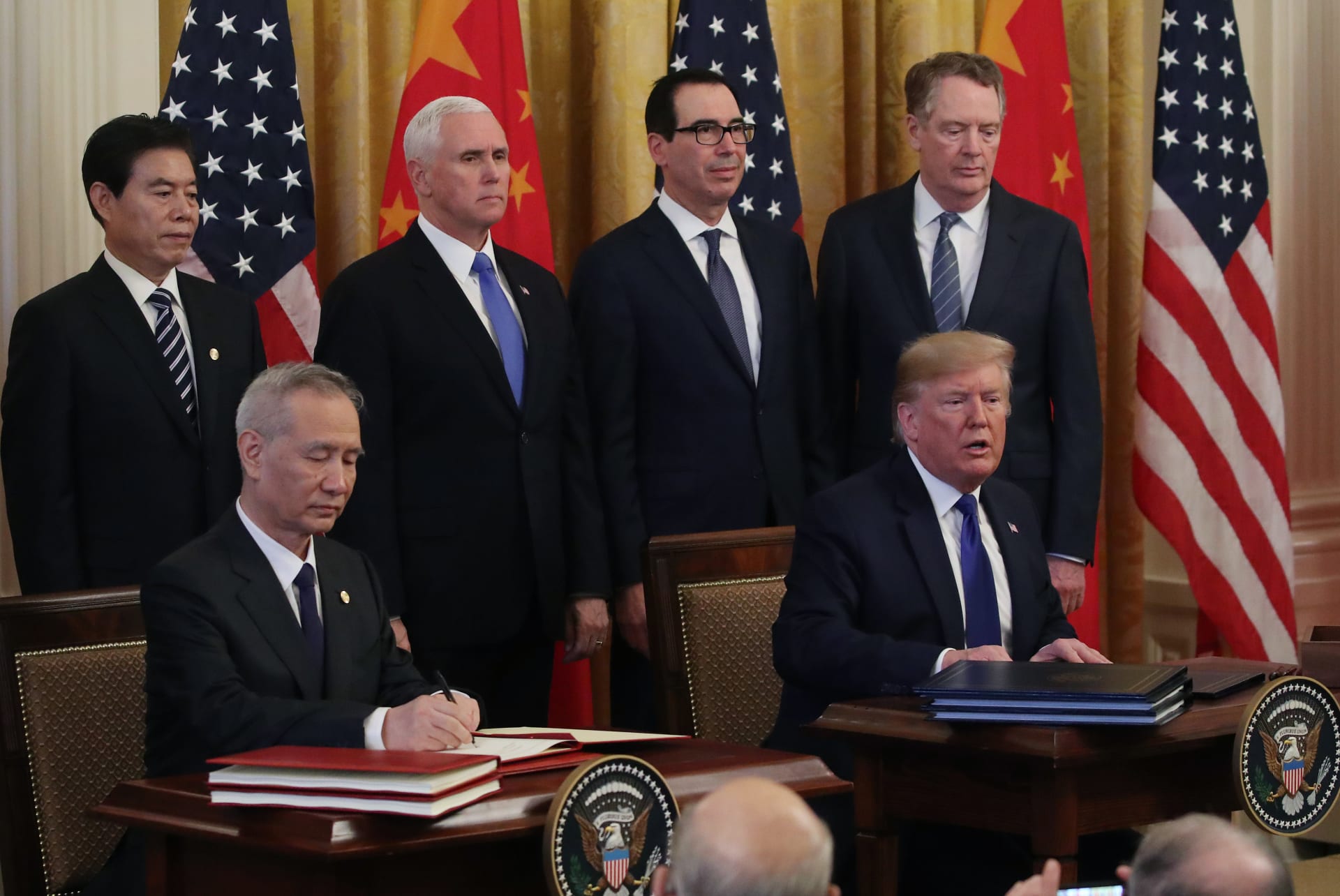
In a new step reflecting the political and economic orientations of the European Union, the European Parliament has announced the imposition of a set of conditions and regulations on the upcoming trade agreement between the United States and the EU. This move comes at a time when the world is witnessing significant transformations in trade relations, as the Parliament seeks to achieve a greater balance in this agreement, which some have deemed unbalanced.
The new conditions approved by the European Parliament include a set of regulations aimed at protecting the economic interests of the member states, as well as ensuring labor rights and environmental protections. These conditions were voted on in a special session, where European lawmakers expressed their concerns about the potential negative impacts of the agreement on the European economy.
Details of the Event
These developments come at a sensitive time, as the European Union seeks to strengthen its position in the face of global economic challenges. European lawmakers have indicated that the trade agreement with the United States must include clear guarantees to protect European products, especially in sensitive sectors such as agriculture and industry.
Moreover, the importance of adhering to labor and environmental standards was emphasized, with lawmakers calling for the agreement to include provisions that guarantee workers' rights and protect the environment from damage caused by commercial activities. These conditions are part of the EU's efforts to maintain its high standards in labor and environmental fields, which could be jeopardized if an unbalanced agreement is signed.
Background & Context
Historically, trade relations between the United States and the European Union have experienced multiple tensions, with some previous agreements criticized for their lack of balance. In recent years, the United States has attempted to enhance its trade influence at the expense of European nations, raising concerns that these policies could exacerbate the economic gap between the two sides.
It is noteworthy that the European Parliament has previously opposed some past trade agreements, such as the Transatlantic Trade and Investment Partnership (TTIP), which aimed to enhance trade cooperation between the United States and the EU but faced widespread criticism due to concerns regarding environmental standards and labor rights.
Impact & Consequences
The new conditions imposed by the European Parliament carry significant implications for the future of trade relations between the United States and the EU. These conditions could lead to delays in trade negotiations, potentially negatively impacting the global economy amid current crises.
This step also reflects the EU's desire to enhance its economic independence and not rely entirely on the United States. If a balanced agreement is reached, it may contribute to strengthening economic cooperation between the two sides; however, if tensions persist, it could exacerbate economic crises.
Regional Significance
The trade relations between the United States and the European Union are of great importance to the Arab region, as any changes in these relations could affect global markets and commodity prices. If a balanced trade agreement is reached, it may contribute to market stability, benefiting Arab countries that rely on international trade.
Furthermore, enhancing environmental standards and labor rights could have a positive impact on Arab countries, as it may encourage improvements in economic and social conditions in the region. Ultimately, trade relations between the United States and the European Union remain a focal point for the world, as countries await the impact of these developments on the global economy.