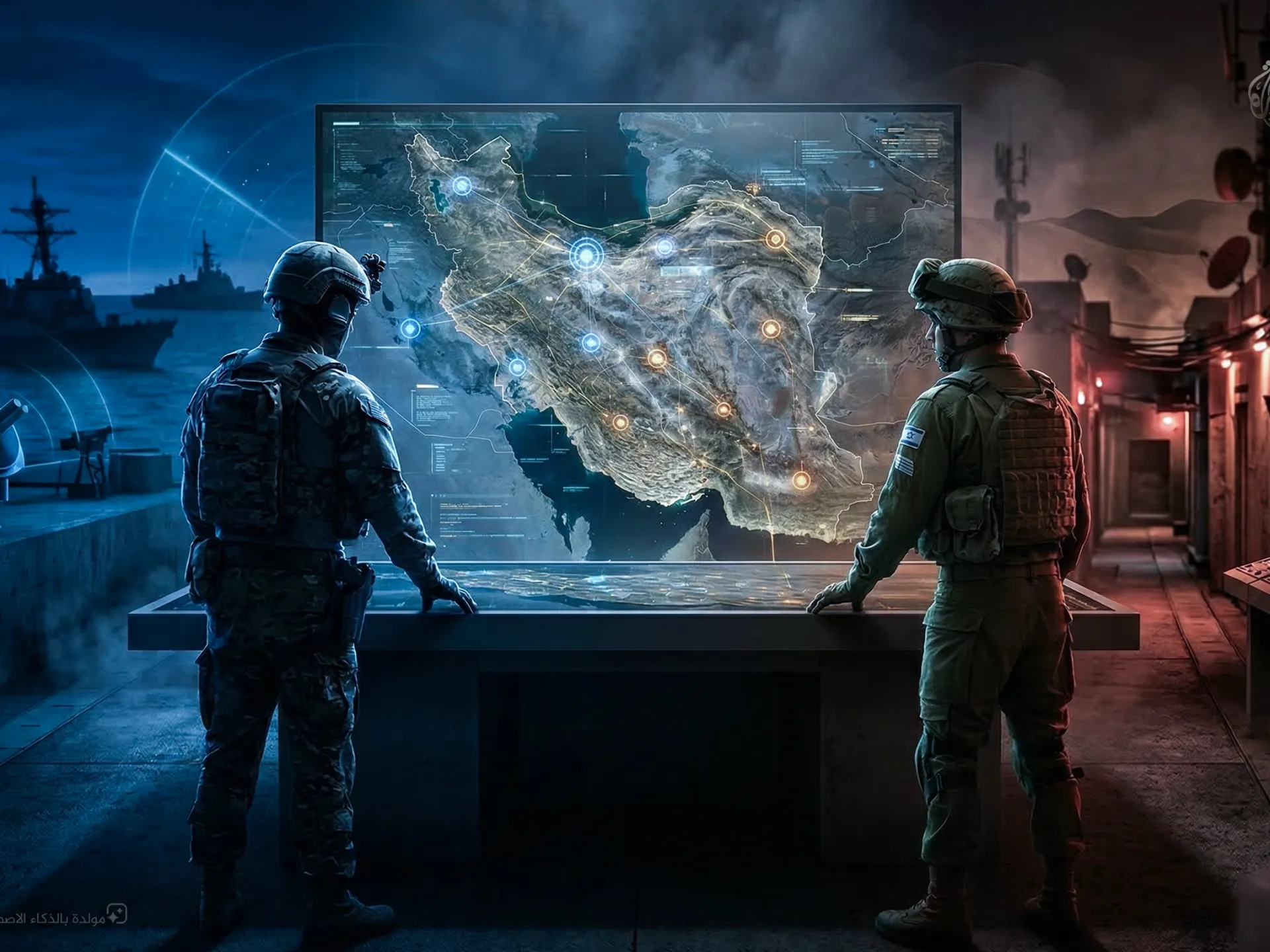
European positions regarding the ongoing war on Iran are sharply divided, ranging from public rejection of military involvement to covert participation by some countries. This complexity is compounded by contradictory American statements, further complicating the regional landscape.
While European leaders assert that "the war is not a European affair" and that the chance of NATO involvement in military confrontations is "slim to none," analyses suggest that there is a form of "behind-the-scenes" participation from several European nations, despite their pretense of non-involvement.
Details of the Event
European countries find themselves in a dilemma, with some being drawn into the conflict due to their deep interests and the presence of hundreds of thousands of citizens in Gulf states, raising significant concerns amid the absence of a clear American strategy that has not met the expectations of traditional European allies. Analysts indicate that these countries view the war against Iran as "wrong and unnecessary," expressing fears that American ambitions in the region could lead to a deterioration of conditions rather than an improvement.
On the other hand, U.S. President Donald Trump has sharply criticized European leaders, accusing them of failing to support the United States, while American pressures continue to attract European efforts to support the war.
Context and Background
The American-Israeli war on Iran began on February 28, 2026, resulting in the deaths of dozens, including Iranian Supreme Leader Ali Khamenei, as well as Iran threatening retaliation through its missiles and drones, targeting American assets in the region and exacerbating humanitarian crises. This comes as part of an American plan that claimed the war would lead to rapid changes in the Iranian regime, which has not materialized in reality.
The current context confirms that the regional situation is complex, as European countries like Britain face significant pressures due to the presence of their citizens and strategic resources in the Arabian Gulf. Nevertheless, these countries' desire to salvage their relations with the United States remains, despite fears of losing some political structures in the region.
Consequences and Impact
It is evident that European hesitation and indecision reflect a genuine crisis in relations within NATO, as fears grow about entering a prolonged war that could exacerbate economic crises, especially amid rising energy prices. These political pressures may prompt European countries to reconsider their commitment to the war in light of the current situation.
Military expert Harlan Ullman explains that Article Five of the NATO Charter, which obliges countries to work together in the event of an attack on any of them, is not applicable in the context of the war with Iran, reflecting the depth of the crisis within the alliance. At the same time, analysts express concern over the lack of clarity in American strategies, which complicates European positions further.
Impact on the Arab Region
The current crisis will negatively affect security stability in the Arabian Gulf region, where tensions are escalating due to ongoing military activities conducted by the United States and Israel against Iran. While the latter continues to launch targeted military strikes, the eyes of Arab countries in the region remain focused on how to deal with the potential repercussions of this war.
In conclusion, the European stance on the war against Iran reveals a genuine crisis in multinational cooperation, making it urgent to rethink political strategies and military decision-making in light of current challenges.