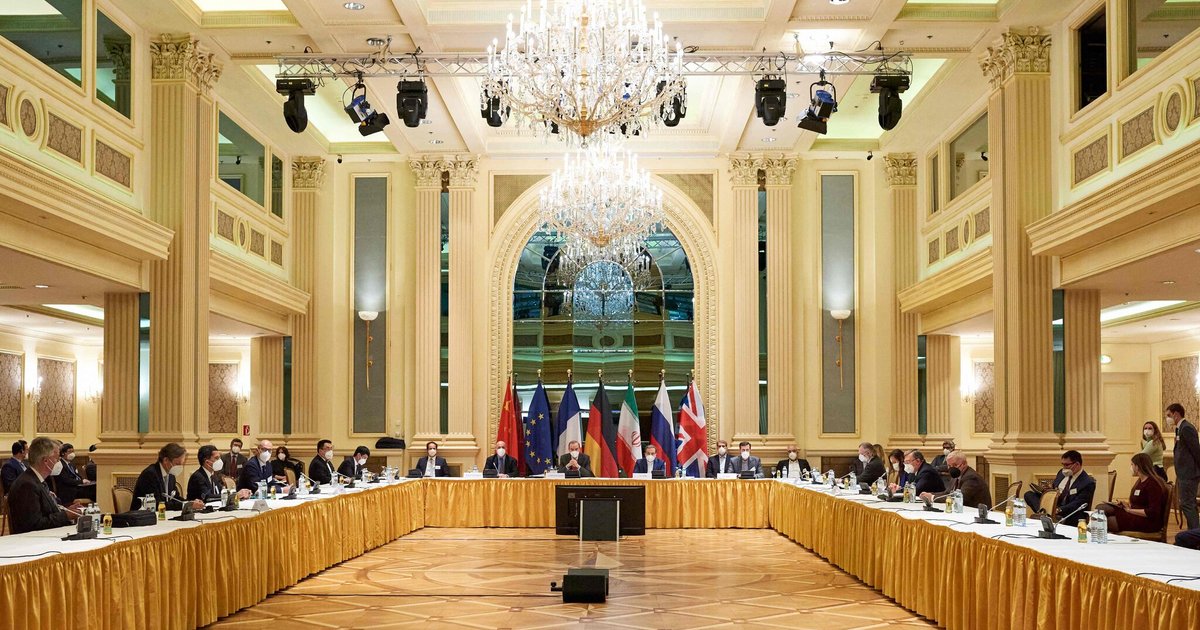
European stocks have seen significant gains following the announcement of a two-week ceasefire between the United States and Iran, leading to the reopening of the Strait of Hormuz and an influx of oil into global markets. This agreement comes at a critical time, as rising tensions between the two nations had previously impacted global oil markets.
This move is seen as a glimmer of hope for financial markets, with analysts predicting that the resumption of oil flow will lead to lower prices and increased investments in the region. European indices have shown notable rises, reflecting investor optimism regarding market stability.
Details of the Agreement
In an unexpected turn of events, the United States and Iran reached a ceasefire agreement, with Iran agreeing to reopen the Strait of Hormuz, one of the most crucial maritime routes for oil transportation. This agreement follows a prolonged period of military and economic tensions between the two countries, which had significantly raised oil prices in recent months.
The Strait of Hormuz is a vital point, through which approximately 20% of total global oil exports pass. Therefore, its reopening will have direct impacts on oil markets and energy prices, contributing to the stabilization of the global economy.
Background & Context
Historically, relations between Iran and the United States have experienced significant fluctuations, influenced by numerous political and military events. Since the U.S. withdrawal from the Iranian nuclear deal in 2018, tensions have escalated, negatively affecting the Iranian economy and leading to the imposition of strict sanctions.
In recent years, there have been multiple attempts to rebuild trust between the two parties, but these efforts often failed due to deep-seated disagreements. However, current circumstances seem to have pushed both sides toward steps for de-escalation.
Impact & Consequences
This agreement is expected to have wide-ranging effects on the global economy, potentially leading to lower oil prices and increased investments in the region. Additionally, the stabilization of oil prices will support the growth of the European economy, which faces multiple economic challenges.
Moreover, this agreement may pave the way for further discussions between Iran and Western nations, which could enhance trade and economic relations. The stability of the region could also contribute to strengthening regional security.
Regional Significance
For Arab countries, the reopening of the Strait of Hormuz will have positive effects, as it will help stabilize oil prices and enhance the ability of producing countries to achieve better returns. This agreement may also contribute to reducing tensions in the region, benefiting security and stability.
In conclusion, this agreement represents an important step toward achieving stability in global oil markets and reflects the ability of the involved parties to overcome disagreements and achieve peace. It remains to be seen how events will unfold in the coming days.