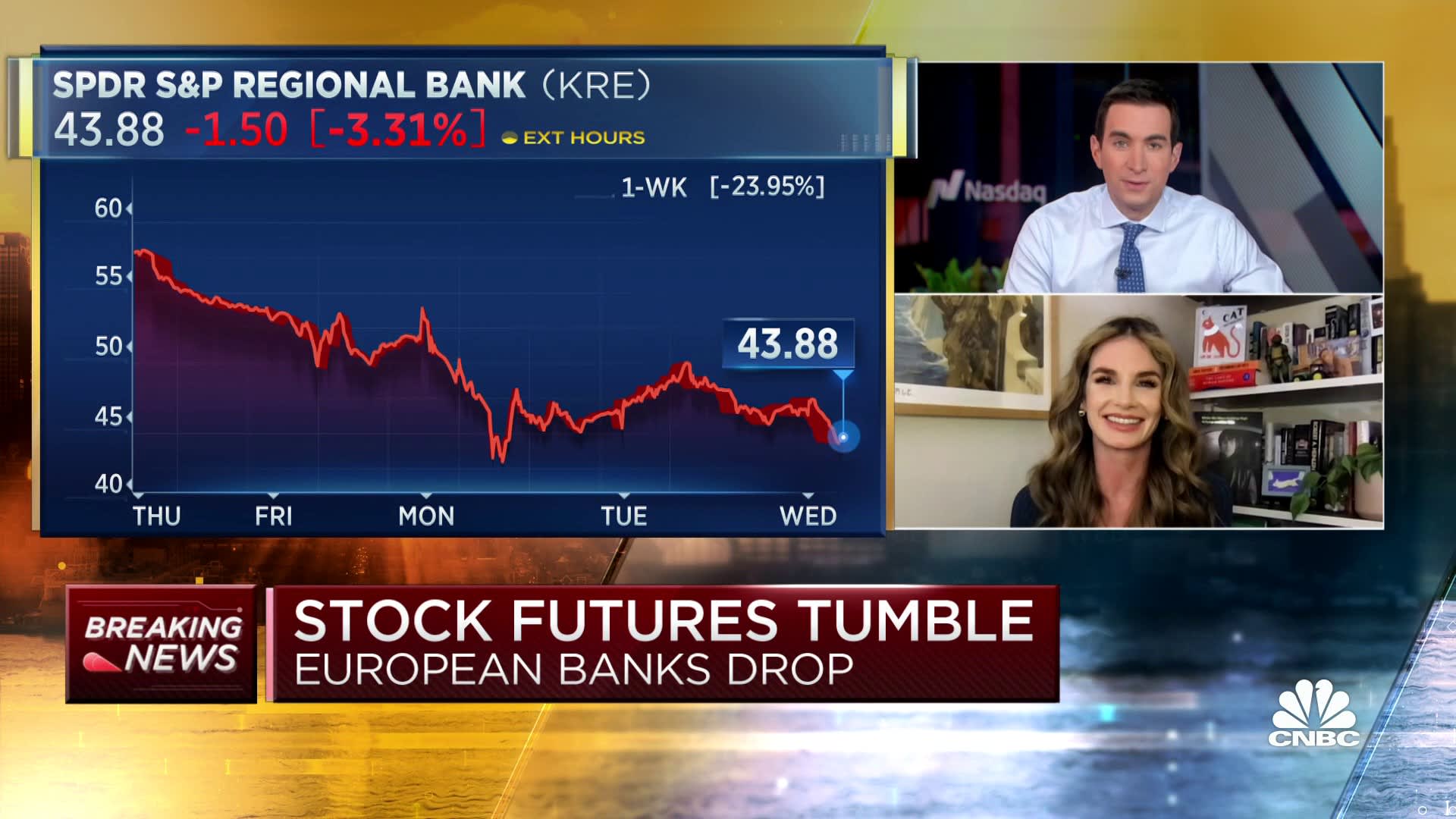
European stocks stabilized on Monday as investors await inflation data that could influence market direction. This stability comes at a time when the world is experiencing significant volatility due to ongoing developments in the Middle East conflict, which has cast a shadow over global financial markets.
The European stocks are on track to record their largest monthly decline since March 2020, reflecting growing concerns among investors regarding the economic and political situations in the region. Under these circumstances, investors continue to monitor news and developments related to the conflict in the Middle East, which has significantly impacted global markets.
Event Details
Preliminary data shows that European markets have experienced relative stability, with mixed performance among different sectors. However, forecasts indicate that the upcoming inflation data may play a crucial role in determining market direction in the coming days. Investors are closely watching for any signals that may indicate changes in the monetary policy of the European Central Bank, which could be affected by rising inflation.
At the same time, the war in the Middle East continues to impact markets, as recent events have increased uncertainty in financial markets. Analysts expect these fluctuations to continue affecting the performance of European stocks, making investors more cautious in their investment decisions.
Background & Context
Since the beginning of the year, European markets have experienced significant fluctuations, heavily influenced by the repercussions of the COVID-19 pandemic and geopolitical tensions. The war in the Middle East, which has escalated notably in recent months, has added a new layer of complexity to the global economic landscape. This war is among the main factors affecting oil and commodity prices, increasing pressure on European economies.
Historically, European markets have been significantly affected by geopolitical events, as any escalation in conflicts can lead to a decline in market confidence. This has been observed in previous years, where European markets experienced sharp declines during times of political crises.
Impact & Consequences
Reports predict that these fluctuations will have negative effects on economic growth in Europe. With rising inflationary pressures, central banks may find themselves compelled to take stringent measures, potentially leading to a slowdown in growth. Additionally, instability in the Middle East may lead to rising energy prices, increasing challenges for both businesses and consumers alike.
On the other hand, these conditions may lead to increased demand for safe assets, such as gold and government bonds, which could impact the performance of stocks in European markets. Under these circumstances, investors need to be more cautious and closely monitor economic and political developments.
Regional Significance
Fluctuations in European markets directly affect the Arab region, as many countries rely on trade and investment with European nations. Any decline in European economic growth could reduce demand for Arab exports, negatively impacting local economies.
Moreover, rising oil prices due to the conflict in the Middle East may lead to increased revenues in some Arab countries, but at the same time, it could create pressures on oil-importing nations. Therefore, the current situation requires Arab countries to take proactive measures to adapt to potential changes in global markets.
In conclusion, European markets remain under significant pressure due to geopolitical tensions and rising inflation. Investors and analysts must closely follow developments, as any changes could significantly impact economic trends in the region.