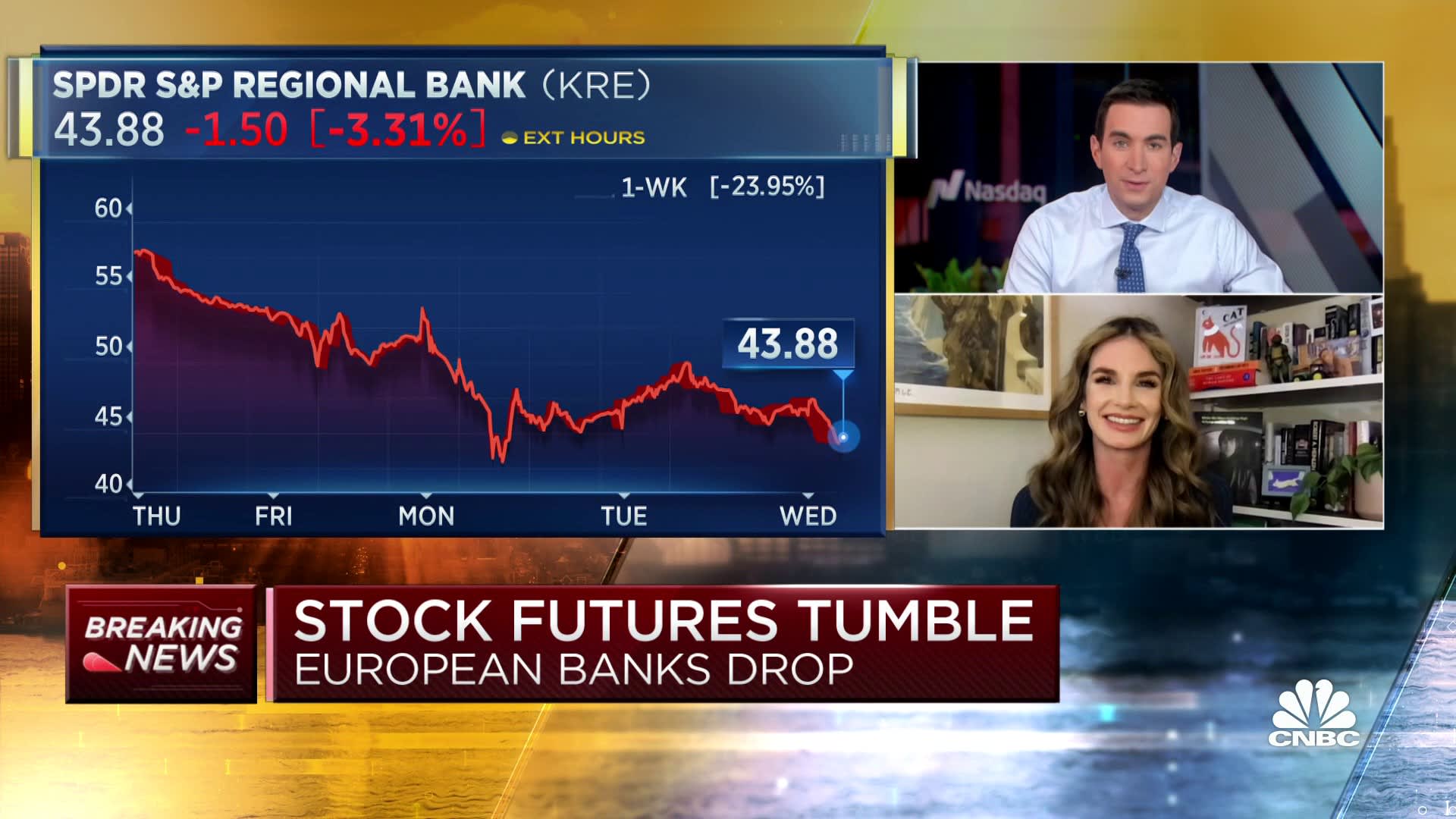
European stock markets have seen a significant downturn this quarter, with three companies that were once considered champions in the market causing a loss of over 420 billion euros (approximately 481 billion dollars). This decline reflects a state of instability and concern in European financial markets, raising questions about the future of these markets.
The three companies that contributed significantly to this decline were previously regarded as shining names in the market, highlighting the rapid transformations that can occur in the world of finance and business. These companies, once leaders in their fields, faced challenges that led to a noticeable drop in their market value.
Details of the Event
The sharp decline in European stocks comes at a sensitive time, as investors seek to understand the reasons behind this significant drop. The three companies responsible for this decline were previously considered leading firms, but it seems that current economic challenges have negatively impacted their performance. Reports indicate that these companies have struggled to achieve profits, leading to a decline in investor confidence.
This market downturn affects not only the companies involved but also extends its impact to both individual and institutional investors. European markets have experienced a state of turmoil, with stock indices declining significantly, reflecting a general sense of anxiety in financial markets.
Background & Context
Historically, European stock markets have been considered stable, experiencing sustainable growth over the past years. However, global economic challenges, including inflation and potential recession, have significantly impacted the performance of these markets. Additionally, geopolitical tensions in the region have contributed to increased uncertainty.
In recent years, many major companies in Europe have undergone significant changes in their strategies, affecting their market performance. These changes, coupled with economic challenges, may be the reason behind the substantial decline in stock values.
Impact & Consequences
The consequences of this downturn in European markets could be far-reaching. A decline in stock values may lead to reduced investments in affected companies, which could impact overall economic growth. Furthermore, this downturn may increase pressure on European governments to take action to support the markets.
Moreover, the decline in stocks could affect investor confidence in European markets, potentially leading to a decrease in both foreign and domestic investments. Under these circumstances, companies may find it difficult to attract the necessary investments for growth and expansion.
Regional Significance
Considering the impact of European markets on the global economy, the decline in European stocks may also affect the Arab region. Many Arab countries rely on foreign investments, and any decline in investor confidence in European markets could negatively impact these investments.
Additionally, Arab companies dealing with European firms may face challenges under these circumstances. The downturn in European markets could lead to reduced demand for products and services, affecting economic growth in the region.
In conclusion, the sharp decline in European stock markets due to just three companies highlights a state of instability in financial markets. The current situation requires careful monitoring by investors and decision-makers, as economic challenges may continue to impact the markets in the near future.