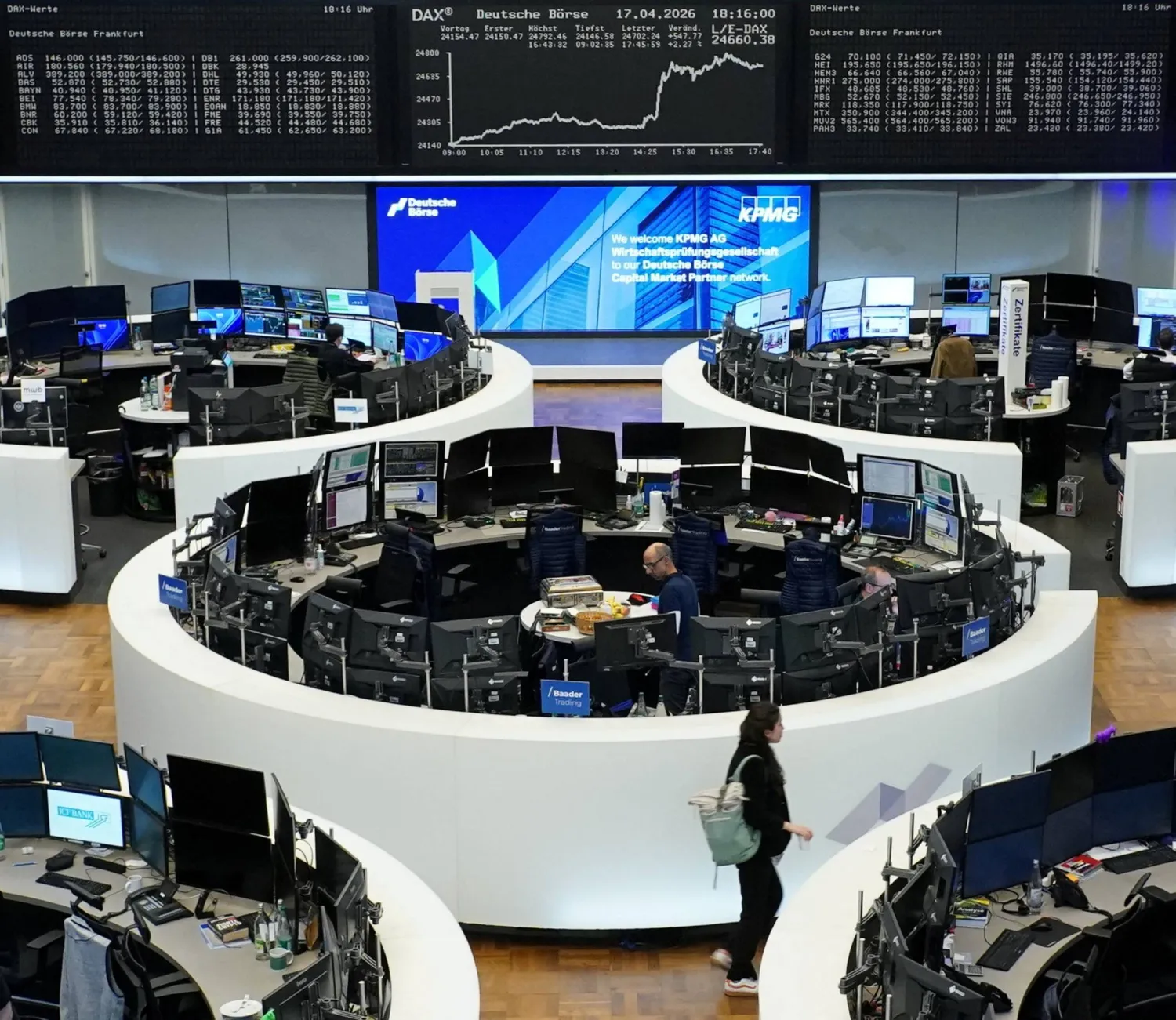
European markets recorded a slight decline during trading on Tuesday, with the Stoxx 600 index falling by 0.3% to reach 606.94 points. This drop occurs as caution and anticipation prevail among investors, coinciding with an upcoming week packed with significant central bank meetings and corporate earnings announcements.
Concerns in the markets have intensified due to rising energy prices and global inflation, negatively impacting investor sentiment. Additionally, the diplomatic stalemate in negotiations between the United States and Iran has contributed to increased anxiety.
Event Details
The European markets were particularly affected by reports indicating that U.S. President Donald Trump was dissatisfied with Iran's recent proposal aimed at ending the two-month-long conflict. The proposal includes postponing discussions on the nuclear program until after the conflict concludes, further heightening uncertainty in the markets.
Moreover, the ongoing closure of the Strait of Hormuz, a vital artery for international energy supplies, has cast a shadow over global market movements. This situation has contributed to rising oil prices, rekindling fears about a slowdown in global economic growth.
Background & Context
European markets play a crucial role in the global economy, being directly influenced by geopolitical and economic events. In recent years, European markets have experienced significant volatility due to tensions among major powers, prompting investors to adopt a more cautious approach.
Attention is now focused on the monetary policy decisions expected from major central banks, as investors ponder the future of interest rates and the extent to which geopolitical tensions will impact the trajectory of the global economy.
Impact & Consequences
The decline in European stocks could have negative repercussions for investments in the region, potentially leading to reduced investment spending and increased economic uncertainty. Additionally, rising energy prices may affect production costs, negatively impacting corporate profits.
In this context, some companies have experienced mixed movements, with shares of BP rising by 2.3% following quarterly results that exceeded market expectations, while shares of Novartis fell by 4.5% due to results that fell short of expectations.
Regional Significance
The Arab region is significantly affected by geopolitical tensions, especially given its heavy reliance on energy supplies. Rising oil prices may have a dual impact, potentially boosting revenues in some countries while increasing inflationary pressures in others.
Furthermore, the ongoing stalemate in negotiations between the United States and Iran could exacerbate instability in the region, affecting foreign investments and increasing investor caution.
Investors remain on edge as they await the outcomes of the upcoming central bank meetings, which will determine the trajectory of financial markets in the near future.