Seven top European teams are set to end their long drought and return to the FIFA World Cup in 2026, which will be hosted by North America. The teams, including Italy and Norway, have been absent from the tournament for several years, but they are now expected to participate in the expanded 48-team tournament.
The return of these teams is expected to enrich the competition and revive the World Cup, adding historical experience and a large fan base in countries like Italy, which has a population of over 60 million people, and Norway, which has stars who dominate the top scorers in European leagues.
returning teams and their history of absence
Italy tops the list of returnees after a double absence from the 2018 and 2022 World Cups, despite winning the title four times in its history. Norway, led by its star Erling Haaland, is aiming to return to the World Cup after its last participation in 1998.
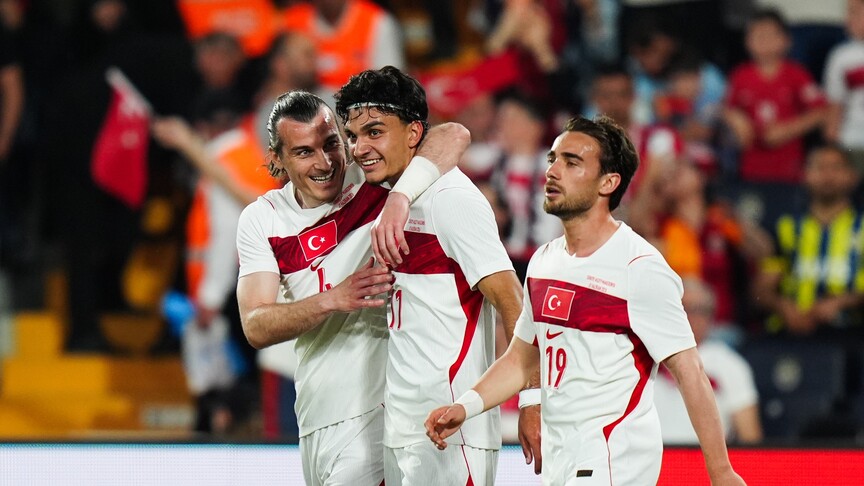
Finland is also competing in the qualifying round with the hope of achieving its first-ever World Cup appearance, while Bosnia and Herzegovina is aiming to return after a 12-year absence since the 2014 World Cup in Brazil. Fans of Scotland, Turkey, and Greece are also waiting for their teams' continental returns.
New qualification system and opportunities for appearance
With the increase in participating teams from 32 to 48, Europe's share of direct seats has increased from 13 to 16, in addition to potential seats through the global playoff, which enhances the chances of traditional teams that have struggled in recent rounds.
This expansion provides more opportunities for medium-level teams in the old continent, allowing them to overcome their traditional rivals in more lenient groups, especially with the adoption of the three-group system in the first round of the finals.
Impact and consequences on the global football scene
The return of these teams means enriching the competition and reviving the World Cup, adding historical experience and a large fan base in countries like Italy, which has a population of over 60 million people, and Norway, which has stars who dominate the top scorers in European leagues.
This shift also reflects the new balance of power in European football, as the dominance is no longer limited to specific clubs, but rather an opportunity to rebuild generations and benefit from technological advancements in preparation and physical and technical training.
Lessons for Arab football from the experience of return
The European scene carries important lessons for Arab teams that are also preparing to face the finals, as it highlights that temporary absence does not mean collapse, but rather an opportunity to rebuild the football structure from scratch, as Italy did after its failure to qualify for the 2018 World Cup.
With several Arab teams qualifying for the finals, it is essential to benefit from European experiences in long-term planning, utilizing professional stars in European leagues, and working to develop infrastructure to ensure sustained global presence, not just a showcase appearance.