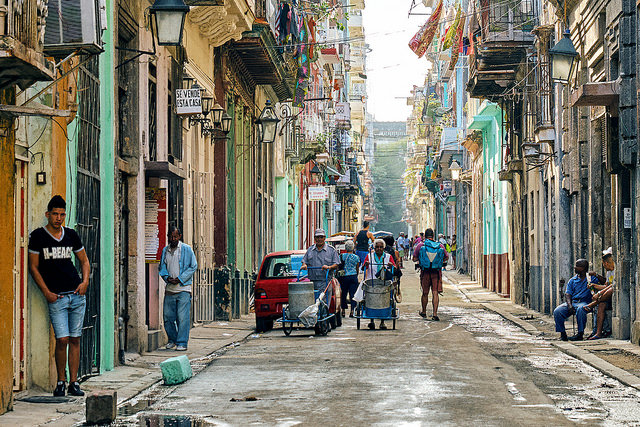
In a move reflecting the European Union's commitment to support Cuba, an additional humanitarian aid package worth €2 million was announced on Wednesday to help the country address escalating humanitarian crises. This assistance comes at a time when Cuba is suffering from a severe energy crisis and difficulties in distributing food and clean water, exacerbating the suffering of the most vulnerable populations.
According to the official statement from the European Commission, these funds will be used to support the logistics of humanitarian partners working to provide aid to the most needy groups in Cuba. This aid is part of the EU's ongoing efforts to help Cuba overcome the crises it is facing.
Details of the Aid Package
This assistance follows a previous package of €4 million allocated at the beginning of the year as part of regional support for the Caribbean. Additionally, this aid adds to another package provided to Cuba after Hurricane Melissa, raising the total humanitarian assistance provided to Cuba this year to approximately €6 million.
The European Commission aims to improve humanitarian conditions in Cuba through this aid, as reports of deteriorating living conditions due to shortages of essential goods have increased. This support comes at a time when economic pressures on the country are mounting, necessitating urgent interventions to alleviate suffering.
Background & Context
Historically, Cuba has faced recurring economic crises, especially following the collapse of the Soviet Union in the 1990s, which led to a severe shortage of resources. Over the years, these crises have worsened due to the economic blockade imposed by the United States, significantly affecting Cuba's ability to import essential goods.
In recent years, humanitarian crises in Cuba have intensified, particularly after the halt of oil supplies from Venezuela, which has exacerbated the energy crisis. The Russian ambassador in Havana noted that the situation has become more difficult after the cessation of supplies, reflecting the depth of the crisis the country is experiencing.
Impact & Consequences
The humanitarian aid provided by the European Union is an important step in supporting Cuba, but it remains insufficient to address the ongoing crises. With increasing economic pressures, the situation in Cuba may require more international support, especially in light of political threats from the United States.
Earlier, U.S. President Donald Trump stated that Cuba is a “failed state” and would be the “next target” for the United States, escalating political tensions in the region. These statements could affect Cuba's international relations and increase its isolation.
Regional Significance
The humanitarian crises in Cuba serve as an example of the challenges faced by many countries worldwide, including some Arab nations experiencing similar crises. International support for Cuba can be a lesson for Arab countries on how to handle humanitarian crises and the importance of international cooperation in facing challenges.
Ultimately, Cuba remains in urgent need of international support and assistance, as humanitarian crises require an immediate and effective response from the international community.