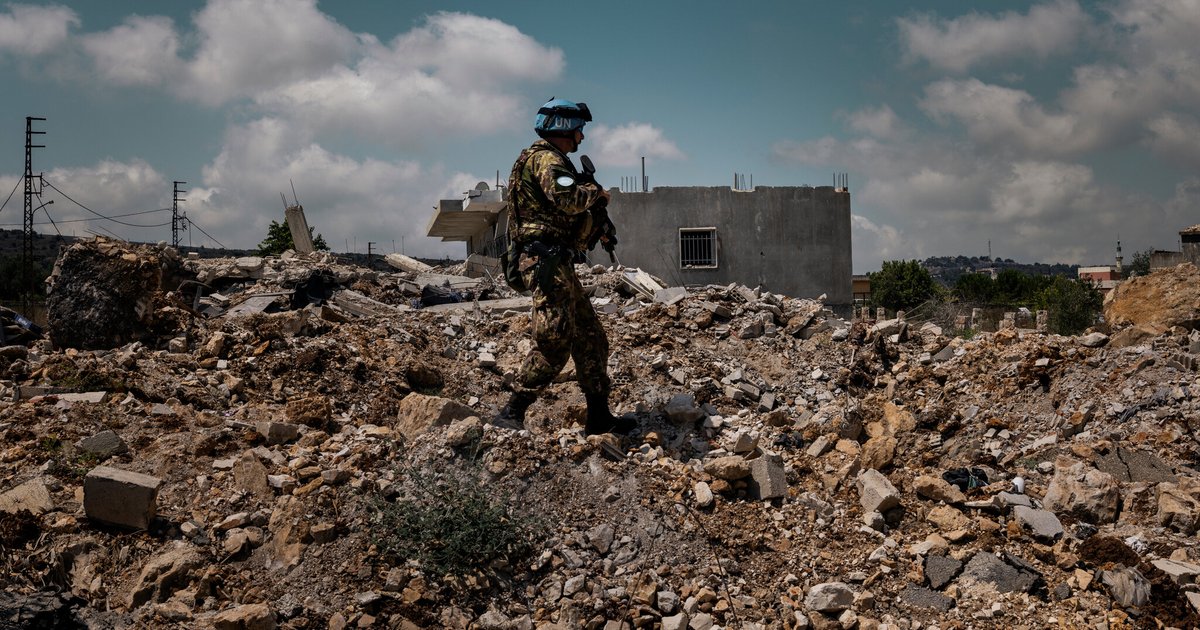
The European Union has strongly condemned the attacks targeting United Nations forces in Lebanon, affirming the necessity for a comprehensive investigation to uncover the circumstances surrounding these incidents. This statement was made by the EU's foreign affairs spokesperson, Anwar Al-Aouni, during a press conference held in Brussels on Tuesday, March 31.
Al-Aouni noted that the recent attacks resulted in the death of one member of the UN peacekeeping forces, in addition to injuring several other soldiers. He also condemned the attacks that targeted the French battalion in recent days, stressing that these acts represent a blatant violation of international law.
Details of the Incident
On Sunday, March 29, reports indicated the death of an Indonesian soldier within the United Nations Interim Force in Lebanon (UNIFIL) due to shelling at his position. The following day, two members of the forces were reported killed in an attack targeting their patrol vehicle in the Bani Hayyan area.
These attacks come at a sensitive time, as UN forces strive to maintain stability in Lebanon, which is experiencing increasing political and security tensions. Al-Aouni confirmed that the European Union stands by UNIFIL, considering it a crucial force for achieving stability in the region.
Background & Context
The United Nations Interim Force in Lebanon (UNIFIL) was established in 1978 with the aim of monitoring the withdrawal of Israeli forces from Lebanon and assisting the Lebanese government in regaining control over the area. Since then, these forces have faced numerous challenges, including repeated attacks from armed groups, raising concerns about the safety of its personnel.
Historically, Lebanon has witnessed many internal and external conflicts, making the presence of UN forces essential for maintaining peace. As tensions in the region escalate, the importance of the role these forces play in protecting civilians and ensuring security increases.
Impact & Consequences
The attacks on UN forces in Lebanon are viewed as a threat to regional security, as they could lead to an escalation of violence and exacerbate the humanitarian situation in the country. Additionally, these incidents may negatively impact the peace and stability efforts undertaken by the United Nations, necessitating a strong international response.
It is crucial for UN member states to cooperate in addressing these challenges and ensuring the safety of peacekeeping forces. Any inaction in this regard could worsen the security situation in Lebanon and increase civilian suffering.
Regional Significance
The repercussions of these attacks extend beyond Lebanon, affecting stability across the Arab region as a whole. With rising tensions in the Middle East, it becomes imperative to enhance cooperation between Arab states and the international community to ensure the protection of civilians and support peace efforts.
The recent events underscore the need for comprehensive dialogue among the concerned parties, aiming for lasting stability in Lebanon and the region. Effective mechanisms must also be established to monitor the security situation and provide necessary support to UN forces.
The attacks on UN forces in Lebanon represent a significant challenge to security and stability in the region, calling for an urgent international response. The international community must work together to ensure the safety of peacekeeping forces, protect civilians, and bolster peace efforts in Lebanon.