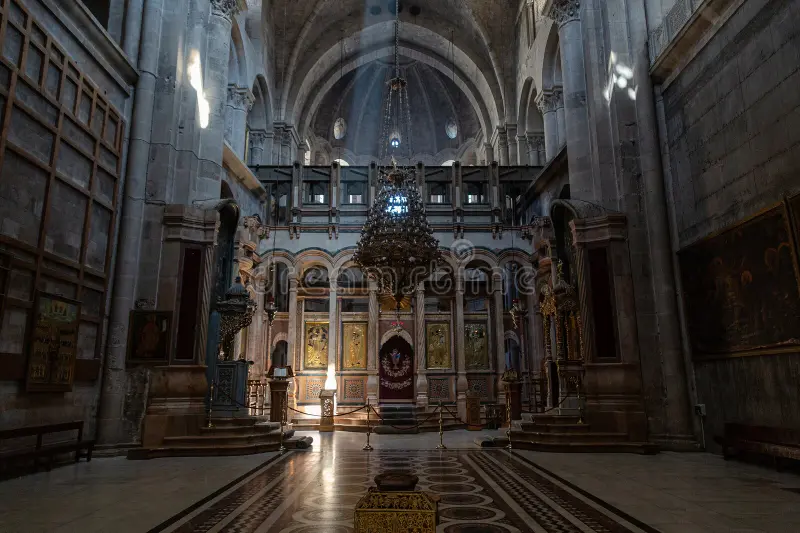
The European Union has strongly condemned the ban on the Latin Patriarch in Jerusalem, Pierbattista Pizzaballa, from entering the Holy Sepulchre, considering this action a violation of religious freedom and the rights of Christians. This statement comes at a time when tensions are escalating in the holy city, raising concerns about the future of peaceful coexistence among religions.
In the details of the incident, the patriarch was prevented from entering the church during religious celebrations, which sparked angry reactions from the local and international Christian community. The European Union affirmed that such actions are inconsistent with European values that advocate for the respect of human rights and freedom of worship.
Details of the Incident
The incident occurred last Sunday when Patriarch Pizzaballa intended to participate in a mass commemorating Christmas. However, he was barred from entering the church by Israeli authorities, leading to widespread condemnation from Christian churches in the region. Many religious leaders described this act as unacceptable and reflective of an increase in restrictions on religious freedom.
In a swift reaction, the Catholic Church in Jerusalem issued a statement expressing its discontent with this action and called for the respect of the rights of all religions to practice their rituals freely. The statement also noted that such incidents negatively impact relations between different religions in the city.
Background & Context
The Holy Sepulchre is considered one of the holiest Christian sites in the world, containing historical sites dating back to ancient times. However, the holy city has witnessed increasing tensions in recent years, particularly with the escalation of the Israeli-Palestinian conflict. These tensions have led to heightened restrictions on the movement of individuals, including religious leaders.
Historically, the Holy Sepulchre has been a center for worship and coexistence among Christians of various denominations. Yet recent events indicate that the situation may be heading towards further tension, threatening stability in the region. Many international organizations have expressed concern over these developments, calling for the protection of the rights of religious minorities.
Impact & Consequences
The ban on the patriarch from entering the Holy Sepulchre serves as a wake-up call regarding the deteriorating state of religious freedom in Jerusalem. This incident could escalate tensions between different religious communities and deepen existing divisions. Additionally, international reactions may influence Israeli policies towards Christians in the city.
Furthermore, this event may provoke increased criticism of the Israeli government from the international community, potentially leading to greater political pressure on the government to reverse such policies. At the same time, it could foster solidarity among Christian communities worldwide.
Regional Significance
This incident represents a turning point in how Arab countries deal with issues related to Jerusalem and its holy sites. The European Union has shown strong support for Christians in Jerusalem, which may encourage Arab nations to adopt similar stances. Moreover, this incident could contribute to enhancing interfaith dialogue in the region, as the current situation necessitates more cooperation and understanding among different communities.
In conclusion, the ban on the patriarch from entering the Holy Sepulchre highlights the challenges facing religious freedom in Jerusalem. The escalating tensions require an urgent response from the international community to ensure the protection of the rights of all religions in the holy city.