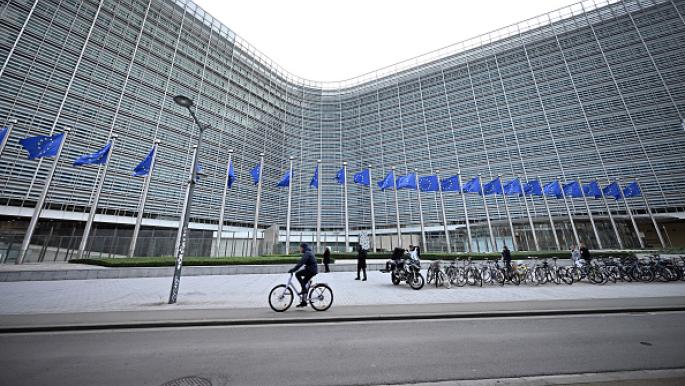
EU negotiators have failed to reach a final trade agreement with the United States after prolonged talks, despite threats from President Donald Trump to raise tariffs on cars to 25%. This situation arises at a sensitive time for trade relations, as the EU seeks to bolster its economy amid increasing global challenges.
In contrast, the United States under Trump's leadership appears to be adopting a more aggressive trade policy, exacerbating tensions between the two sides. The recent negotiations aimed to address several key issues, including tariffs and trade duties, but negotiators could not bridge the significant gaps in their positions, leading to the talks' collapse.
Details of the Negotiations
During the recent negotiations, both parties attempted to reach a consensus on several critical issues, including tariffs and trade fees. However, the negotiators were unable to overcome the substantial differences in their stances, resulting in the failure of the discussions.
Trump had previously threatened to raise tariffs on cars imported from the EU, raising concerns among many European companies that rely on the American market. Such threats could provoke retaliatory responses from the EU, complicating the situation further.
Background & Context
Historically, trade relations between the United States and the EU have been strong, with each representing a significant trading partner for the other. However, these relations have begun to deteriorate since Trump took office, as his administration has taken steps to reduce the trade deficit with other countries, leading to the imposition of tariffs on a range of goods.
In recent years, global trade has undergone significant transformations, with trade disputes becoming more common. These disputes impact the global economy as a whole and increase uncertainty in the markets.
Impact & Consequences
The failure of the negotiations could exacerbate trade tensions between the United States and the EU, potentially negatively affecting the global economy. If Trump's threats to raise tariffs are implemented, it could lead to increased prices for consumers on both sides.
Moreover, these developments may impact companies that depend on trade between the United States and Europe, potentially leading to reduced investments and slower economic growth in both regions.
Regional Significance
Amid these tensions, Arab countries may find themselves in a precarious position, as many of their economies rely on trade with both the United States and the EU. Any changes in trade policies could affect their exports and imports, increasing economic challenges.
Furthermore, these disputes could lead to increased instability in global markets, affecting foreign investments in the region.
The failure of the EU to ratify the trade agreement with the United States reflects the significant challenges facing trade relations between the two sides. As tensions escalate, the question remains about how these developments will impact the global economy and Arab countries.