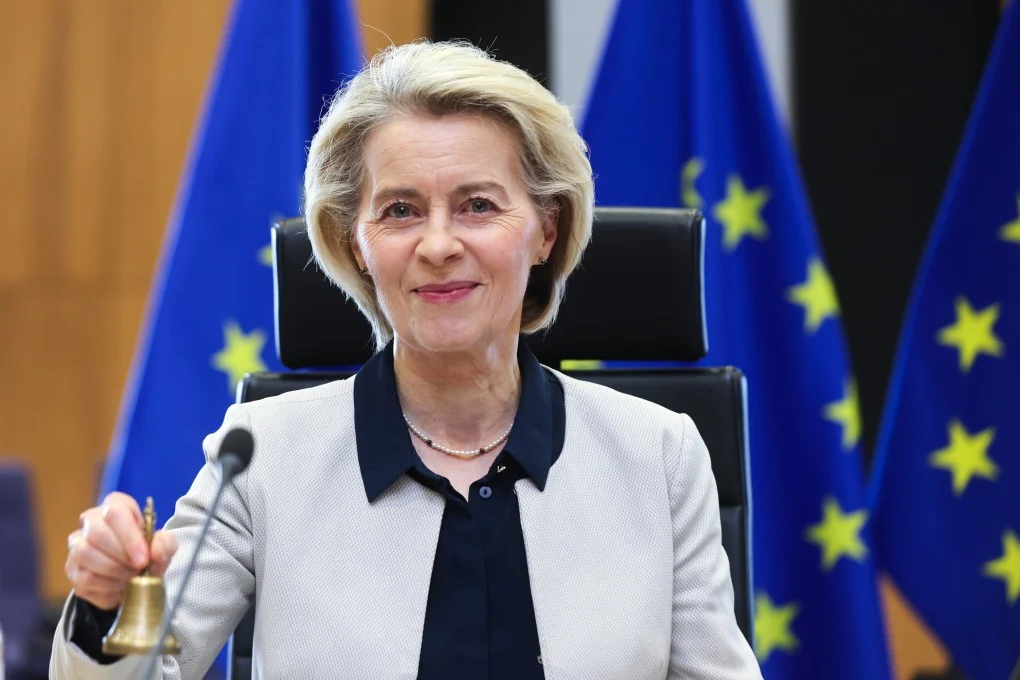
European Commission leaders are preparing to adopt a stricter economic stance towards China during a crucial discussion on Friday, paving the way for a new set of trade and industrial measures later this year. Sources indicate that the majority of commissioners, including President Ursula von der Leyen, support a more robust trade and industrial policy amid growing concerns over deindustrialization, now referred to in Brussels as the 'China Shock.'
This move comes at a time when concerns are rising about the negative impacts that significant reliance on China could have on the European economy. This dependence is viewed as a threat to European economic security, prompting leaders to consider new strategies to address these challenges.
Details of the Upcoming Discussion
The upcoming discussion will involve a range of measures that may include imposing restrictions on Chinese imports or enhancing support for local European industries. Issues such as human rights and fair trade are also expected to be addressed during these discussions, reflecting the EU's new direction towards strengthening its trade standards.
This step is part of a broader strategy aimed at reducing reliance on China and enhancing the competitiveness of European industries. Some commissioners have indicated that the time has come to take concrete actions to ensure the sustainability of the European economy in the face of global challenges.
Background & Context
In recent years, trade relations between the EU and China have undergone significant transformations. China has been considered a key trading partner for the EU, but increasing political and economic tensions have led to a reevaluation of this relationship. Especially after the COVID-19 pandemic, which highlighted the vulnerabilities of global supply chains, it has become essential for the EU to consider new strategies.
Historically, China has relied on exporting goods at low prices, which has negatively impacted European industries. With rising concerns about job losses in industrial sectors, it has become necessary to take steps to protect the European economy from adverse effects.
Impact & Consequences
If the new measures are implemented, they could lead to significant changes in global trade dynamics. These policies are likely to affect European companies that rely on Chinese imports, potentially leading to increased prices and reduced options for consumers.
Moreover, these actions could escalate tensions between the EU and China, which may affect the political and economic relations between the two sides. If these tensions persist, we may witness repercussions on a global trade level, impacting other markets as well.
Regional Significance
Trade relations between Arab countries and China are also part of this broader context. Many Arab nations rely on China as a primary source of goods and technology. Therefore, any changes in European trade policies towards China could impact Arab-Chinese trade, prompting Arab nations to consider alternative strategies to enhance the sustainability of their economies.
Ultimately, this development underscores the importance of reevaluating trade relationships in light of rapidly changing global dynamics. Arab countries must be prepared to face potential challenges and seek new opportunities to enhance trade cooperation with other partners.