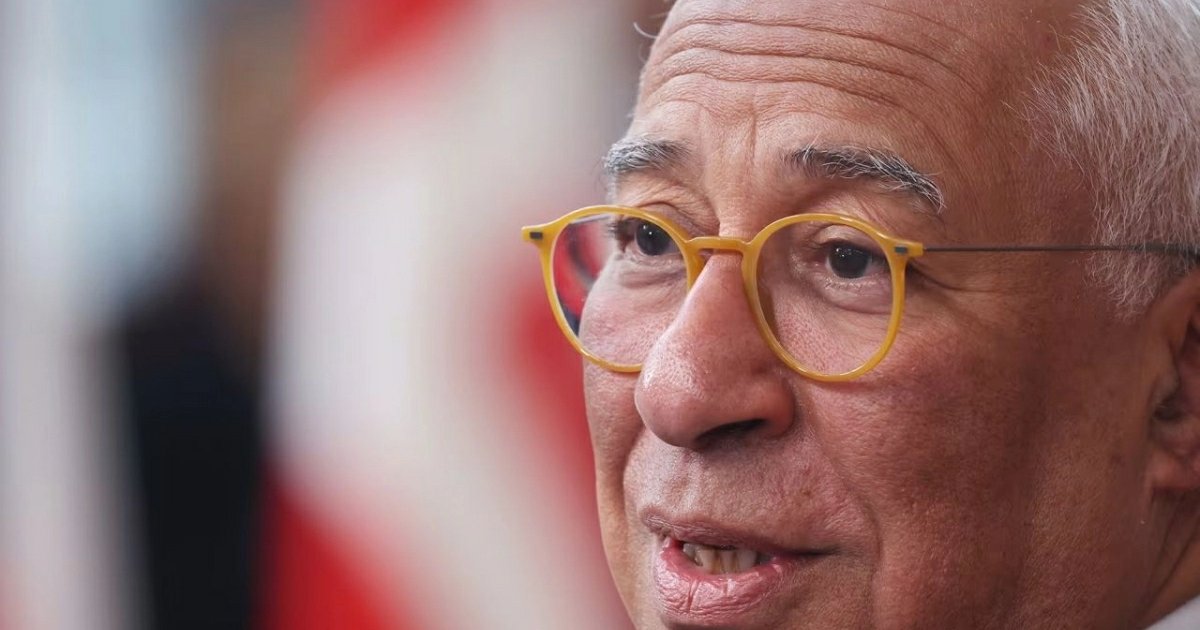
European Council President Antonio Costa has warned that targeting civilian infrastructure, including energy facilities, is 'illegal and unacceptable.' This warning comes in the wake of statements from U.S. President Donald Trump, who threatened to destroy Iran's civilian infrastructure if it does not reopen the Strait of Hormuz.
In his remarks, Costa emphasized that 'targeting civilian infrastructure, particularly energy facilities, is illegal and unacceptable.' While he did not directly reference Trump's statements, he underscored the importance of protecting civilians in all conflicts, including the ongoing war in Ukraine.
Details of the Warning
Costa stated that 'the Iranian civilian population is the primary victim of the Iranian regime, and they will also be the main victims if the military campaign expands.' He stressed the need for Iran to cease its attacks against countries in the region and allow for the full restoration of freedom of navigation through the Strait of Hormuz.
He added that 'after five weeks of war in the Middle East, it is clear that a diplomatic solution is the only way to address the root causes of the conflict.' These remarks come at a sensitive time as tensions in the region escalate and fears of a larger military escalation grow.
Background & Context
Historically, the Strait of Hormuz is a vital strategic point, through which approximately 20% of global oil supplies pass. The region has witnessed increasing tensions in recent years, particularly with the rise of Iranian military activities and U.S. threats.
Concerns are mounting that any military escalation could lead to serious repercussions for regional and international security, especially amid the economic crises many countries are facing.
Impact & Consequences
Many human rights and legal organizations warn that attacks on civilian infrastructure, such as energy facilities, could constitute war crimes. Legal reports have confirmed that such activities could expose perpetrators to international legal accountability.
This warning comes at a critical juncture, as the international community seeks peaceful solutions to conflicts in the region, and any military escalation is viewed as a threat to regional security and stability.
Regional Significance
The implications of Costa's warning extend beyond just Iran, as it reflects broader concerns about the potential for conflict in a region that is already fraught with tension. The Strait of Hormuz remains a crucial artery for global oil supplies, and instability here could have far-reaching effects on global markets.
In conclusion, the international community must remain vigilant and proactive in addressing these tensions to prevent further escalation and ensure the protection of civilian lives.