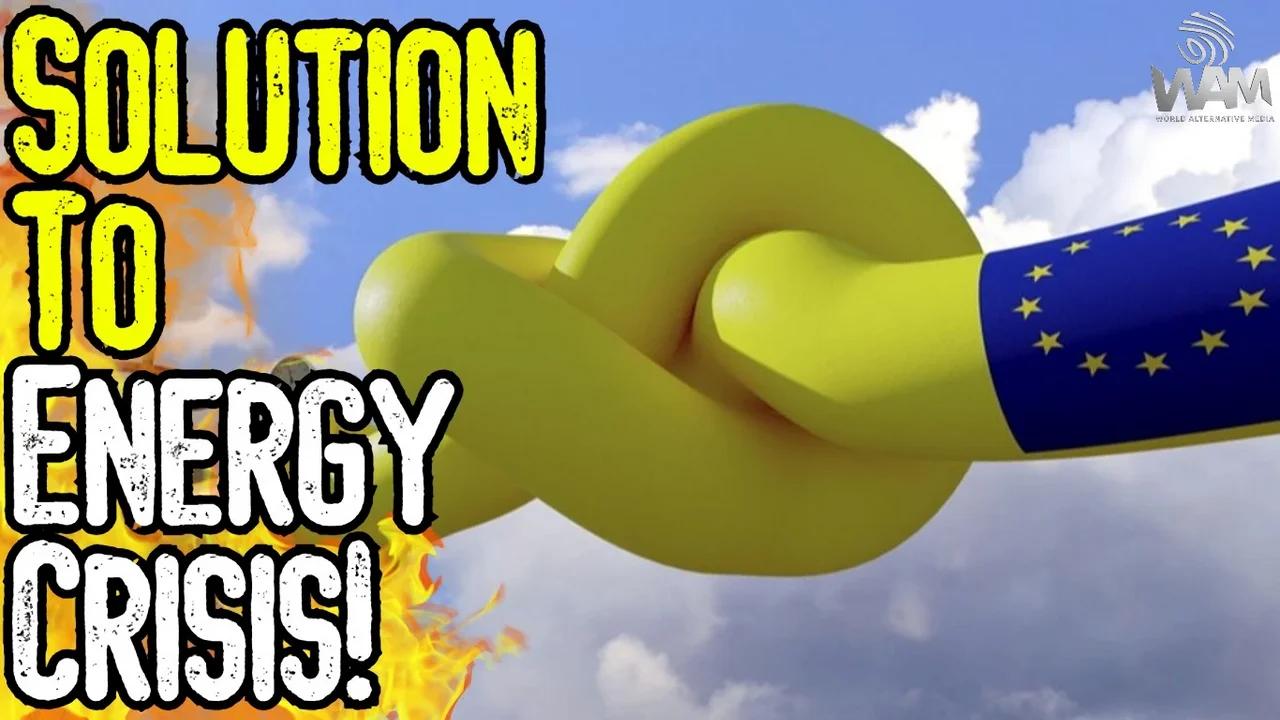
European Union officials have warned member governments against expanding support programs for their citizens to address the sharp rise in energy prices, particularly following escalating tensions in the region, which could lead to a transformation of the energy dilemma into a financial crisis.
The British newspaper "Financial Times" reported that EU officials urged governments to limit family support programs and fuel tax reductions to specific timeframes and sectors that have been most adversely affected by the energy crisis.
Details of the Situation
These warnings come at a time when many European countries are facing increasing economic pressures due to rising gas and oil prices. Gas prices in European markets have surged by more than 60% since the onset of the war in Iran, while Brent crude oil prices have seen an increase exceeding 50%, leading to higher costs for electricity, domestic gas, diesel, and gasoline.
In this context, EU Energy Commissioner Dan Jørgensen stated that "what happens in one economic sector can extend its impact to other sectors of society," highlighting concerns about the broader effects of the energy crisis on the economies of European nations.
Context and Background
Many recall the energy crisis that Europe experienced in 2022 following the war between Russia and Ukraine, which led European governments to expand their support programs to cope with rising oil and gas prices. The result was a rapid increase in the budget deficits of many European countries.
Under these circumstances, several European nations, such as Italy, Spain, and Poland, have reduced fuel taxes in response to public pressure, raising concerns about the impact on government revenues.
Consequences and Impact
Reducing taxes means diminishing the revenues of European governments, which could lead to an increase in public budget deficits. Consequently, several countries, including Italy, are urging the European Commission to ease the rules governing the budget deficits of member states.
Italian Finance Minister Giancarlo Giorgetti emphasized the necessity for the Commission to facilitate the rules that limit the public budget deficit of member states to just 3% of GDP, noting that "discussions at the European level will be essential" to consider easing the deficit rules.
Impact on the Arab Region
The Arab region is indirectly affected by these crises, as rising energy prices impact import costs and increase inflationary pressures. Additionally, political tensions in the region may lead to increased economic instability.
In conclusion, the greatest challenge facing European governments is how to manage the energy crisis without exacerbating financial conditions, which requires well-thought-out and flexible strategies.