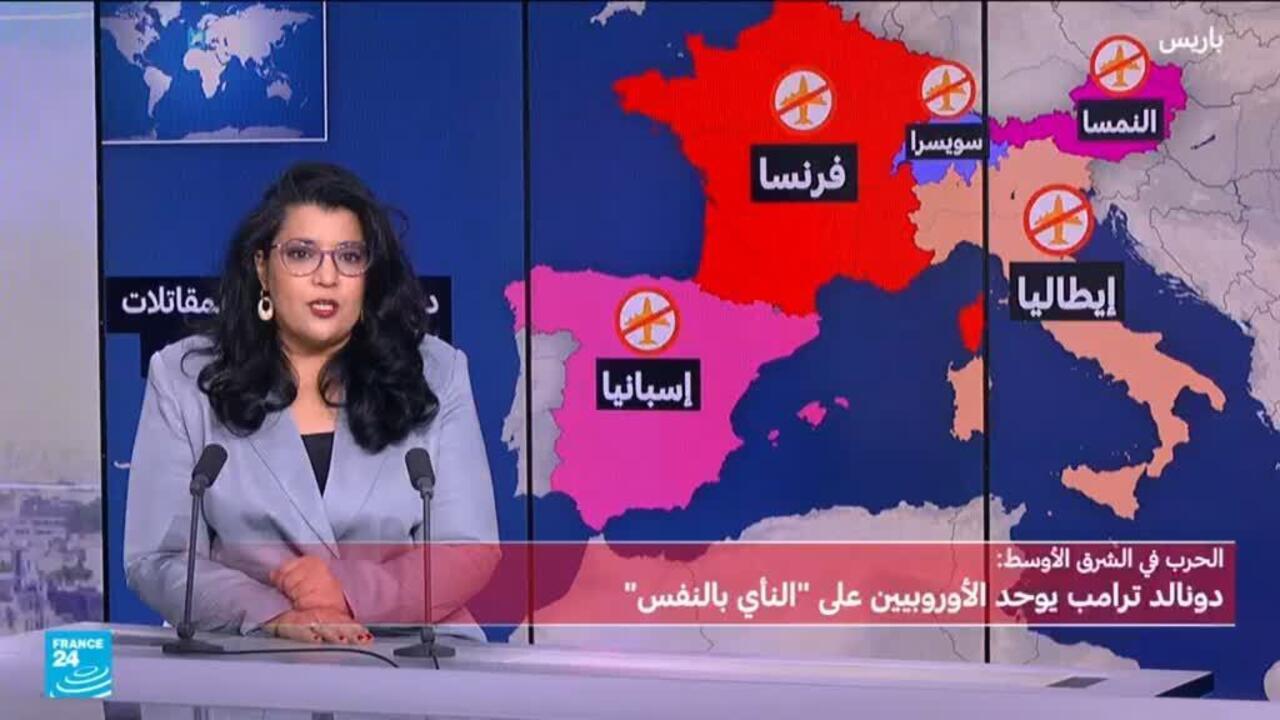
After nearly forty days since the onset of the US-Israeli war against Iran, most European countries are choosing to distance themselves from this conflict, considering it not their war and expressing no desire to engage. This position, announced by several European leaders, has elicited strong reactions from US President Donald Trump, who affirmed that this stance will not be forgotten.
This war represents a new chapter in the strained relations between Europe and the United States, as Europeans seek to maintain their political independence amid increasing US pressures. While the United States continues to bolster its military presence in the region, European nations seem to prefer focusing on their internal issues and avoiding slipping into new conflicts.
Details of the Situation
Concerns are rising in Europe that involvement in the US-Israeli war could exacerbate security conditions in the region, negatively impacting European interests. Many European countries, including Germany and France, have expressed their desire to avoid any military escalation, emphasizing the importance of diplomatic solutions.
Moreover, there are increasing calls from some European leaders to reassess relations with the United States, especially in light of rising tensions over issues such as trade and security. This crisis may open the door for Europe to develop independent policies that reflect its own interests.
Background & Context
Historically, European-American relations have been based on close cooperation in various fields, including security and defense. However, recent events, including the wars in Iraq and Syria, have negatively impacted these relations, prompting some European nations to rethink their strategies.
The war in Iran comes at a sensitive time, as the region suffers from instability, complicating the situation further. Europeans, who were once close allies of the United States, now find themselves in a position that requires them to make tough decisions regarding the future of their relations with Washington.
Impact & Consequences
These developments could lead to significant changes in European foreign policy. If European countries continue to distance themselves from US conflicts, this could reduce American influence in the region, potentially allowing other countries like Russia and China to strengthen their presence.
Furthermore, this stance may encourage European nations to seek new partnerships, whether in the Middle East or other regions, potentially altering the dynamics of international relations overall.
Regional Significance
For the Arab region, a decline in European support for US policies could lead to shifts in regional balances. Arab countries that rely on Western support may find themselves compelled to reassess their strategies, which could heighten tensions in certain areas.
Ultimately, this European stance may have far-reaching implications for security and stability in the Middle East, necessitating that Arab nations be more prepared to adapt to these changes.