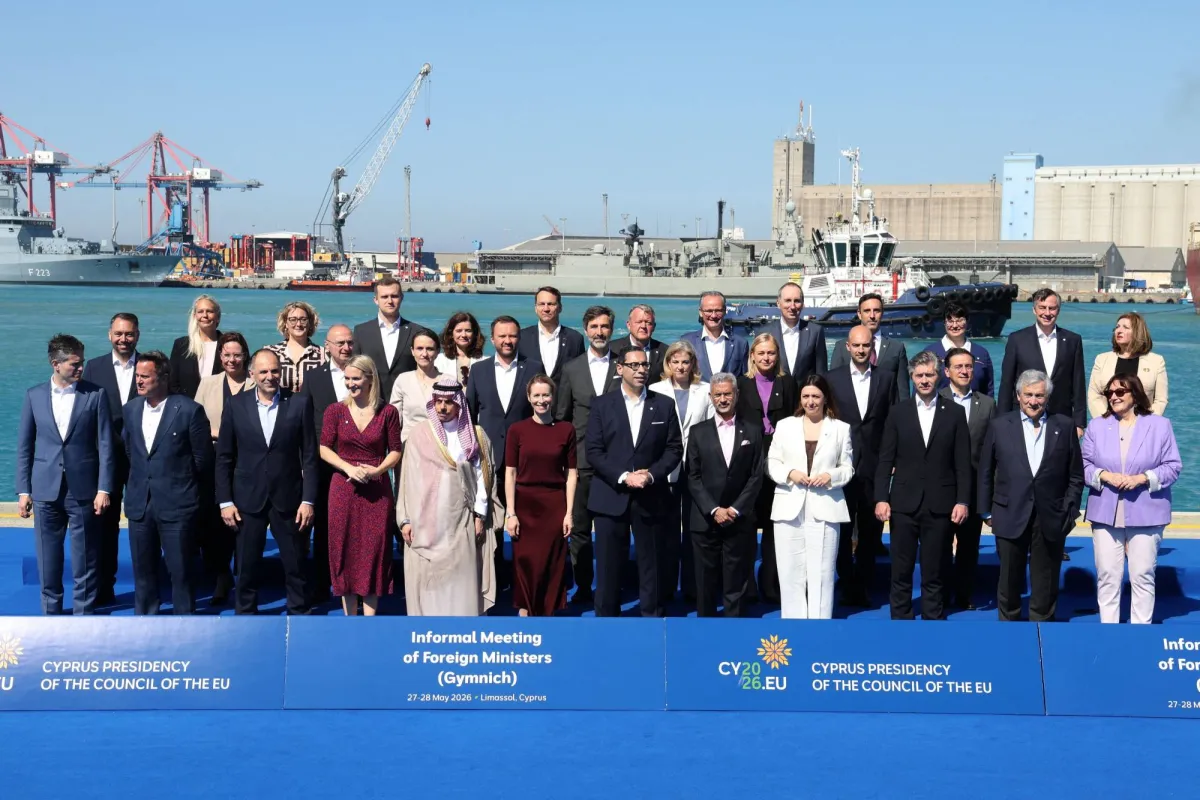
Kaia Kallas, the EU's foreign policy chief, warned against falling into the Russian trap during ongoing discussions about appointing a European mediator for the war in Ukraine. This warning was issued during a meeting of EU foreign ministers in Limassol, Cyprus, where she emphasized that the time might be appropriate for dialogue with Moscow, especially given the United States' focus on the Iranian issue.
Kallas pointed out that Russia might seek to distract EU nations with the question of who will negotiate with them, potentially hindering real progress in the crisis. She stressed the need for a clear strategy before any negotiations begin, emphasizing that negotiations should be a collective effort.
Details of the Event
Discussions within the EU are intensifying regarding the possibility of resuming communication with Russia, particularly after the failure of U.S. mediation between Kyiv and Moscow. In this context, Ukraine is pressuring the EU to take on a larger role in this crisis, as the bloc has remained in a secondary position behind Washington.
During the Limassol meeting, Austrian Foreign Minister Beate Meinl-Reisinger confirmed that Ukraine expects the EU to start preparations immediately. Meanwhile, other ministers argued that the priority should be to pressure Russian President Vladimir Putin to come to the negotiating table.
Context and Background
These discussions are taking place while U.S. President Donald Trump is preoccupied with the Iranian issue, opening the door for Europe to play a larger role in the Ukrainian crisis. Earlier, Putin suggested appointing former German Chancellor Gerhard Schröder as a mediator, but this proposal was rejected by EU member states.
Kallas, who previously served as Estonia's Prime Minister, expressed her willingness to take on the mediator role, but she faces challenges due to her antagonistic stance towards Putin. She highlighted the importance of defining the core demands that should be presented to Russia before any negotiations commence.
Impact and Consequences
Concerns are growing that any unconsidered communication with Russia could strengthen its position in the crisis, potentially obstructing peace efforts. Kallas called for the establishment of clear red lines, such as demanding a ceasefire and refusing to recognize Russian authority over occupied territories.
European diplomats have ruled out that discussions in Cyprus will lead to a final decision regarding the mediator or even the selection of a name for communication with Putin. It appears that the name of former Chancellor Angela Merkel is no longer on the table.
Regional Significance
International crises, such as the Ukrainian crisis, significantly impact the Arab region, where concerns about their economic and political repercussions are rising. Additionally, the distraction of major powers with external issues may provide an opportunity for regional countries to enhance their roles on the international stage.
In conclusion, the Ukrainian crisis remains a complex issue that requires precise international coordination, especially from the EU, which seeks to avoid traps that Russia may set.