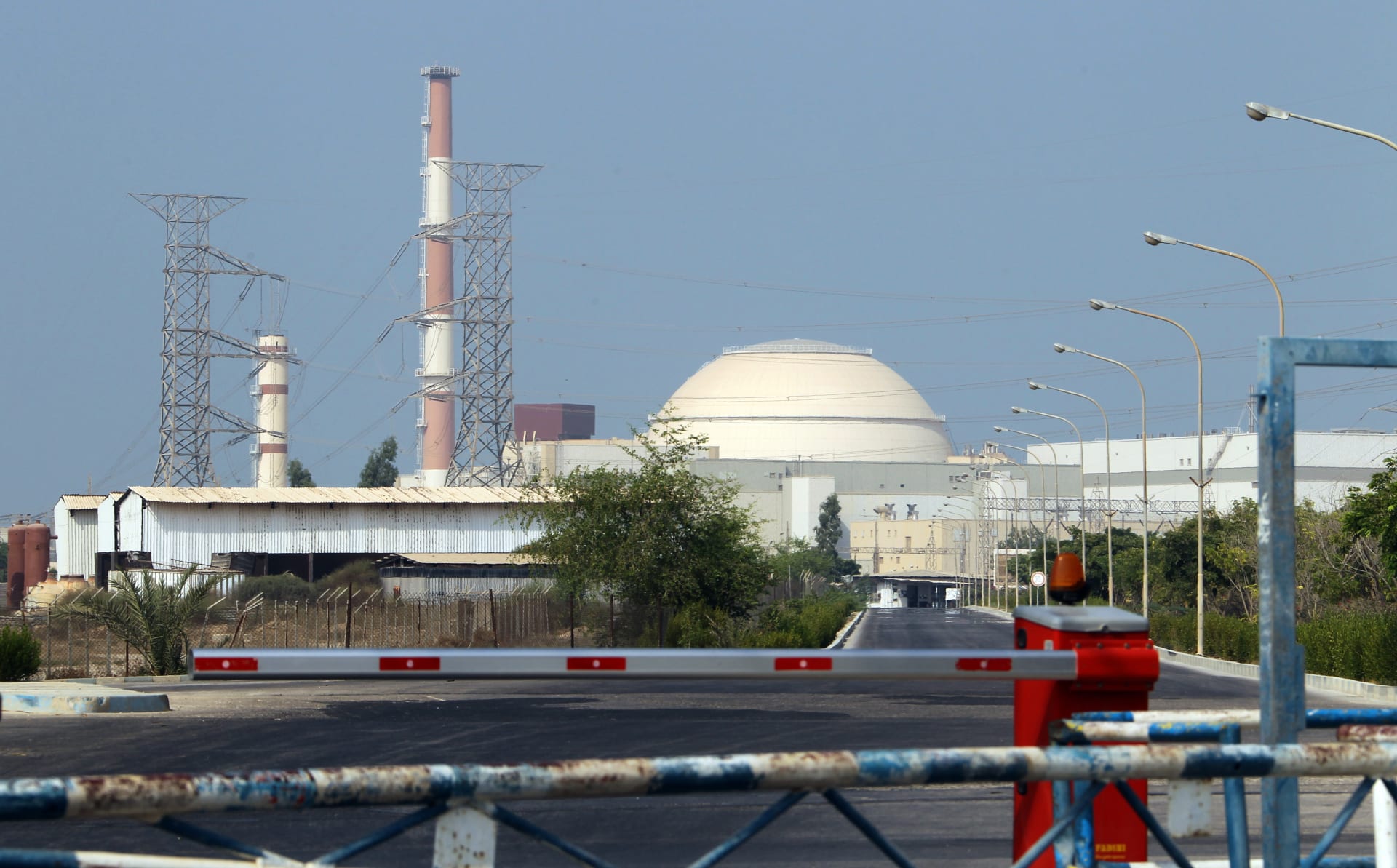
Russian company Rosatom announced on Wednesday the evacuation of 163 workers from the Bushehr nuclear power plant in Iran, reflecting the increasing tensions in the region. Alexey Likhachev, the head of the company, stated that 300 employees are still at the plant, with plans to evacuate more in the near future.
The Bushehr nuclear power plant, established through cooperation between Russia and Iran, is one of the major nuclear energy projects in the region. The plant was first commissioned in 2011 and is part of Iran's strategy to enhance its energy production capabilities.
Details of the Evacuation
In statements to the Russian news agency, Likhachev confirmed that the evacuation is a precautionary measure as the company continues to assess the security situation in the area. He also noted that there are plans to evacuate more employees in the coming days, reflecting growing concerns about the situation in Iran.
It is worth mentioning that the Bushehr plant is one of the strategic projects that reflect the cooperation between Russia and Iran in the energy sector, as Iran seeks to achieve self-sufficiency in nuclear energy. However, the volatile security situation in the region could threaten the continuity of this cooperation.
Background & Context
The Bushehr nuclear power plant was established under a cooperation agreement between Iran and Russia, with construction beginning in 1975. However, the project was delayed for several decades due to international sanctions and political pressures. Nevertheless, Iran was able to resume work on the project after signing the nuclear agreement in 2015.
Nuclear energy is a crucial part of Iran's strategy to meet its growing energy needs, especially in light of the economic sanctions it faces. However, these projects face criticism from the international community, which fears their potential military applications.
Impact & Consequences
This evacuation could increase tensions between Iran and Western countries, especially amid fears that Iran may use nuclear energy for military purposes. Additionally, this step may affect the relations between Russia and Iran, as Russia is considered one of Tehran's key allies in the energy sector.
Furthermore, the continuation of the evacuation may impact operations at the Bushehr plant, potentially leading to a reduction in nuclear energy production in Iran. This, in turn, could increase Iran's reliance on traditional energy sources, affecting the Iranian economy as a whole.
Regional Significance
The Bushehr nuclear power plant is part of Iran's strategy to enhance its influence in the region, raising concerns among neighboring Arab countries. Many Arab nations, such as Saudi Arabia and the UAE, are closely monitoring Iranian nuclear activities, fearing that these activities could lead to a nuclear arms race in the region.
Moreover, the volatile security situation in Iran could affect the overall stability of the region, increasing tensions between Arab states and Iran. Under these circumstances, Arab countries may need to strengthen their cooperation in security and energy to address potential challenges.
In conclusion, the evacuation of workers from the Bushehr nuclear power plant reflects the increasing challenges Iran faces in the energy sector and highlights the geopolitical dimensions of this project. As tensions in the region persist, the future of nuclear energy in Iran remains a contentious issue.