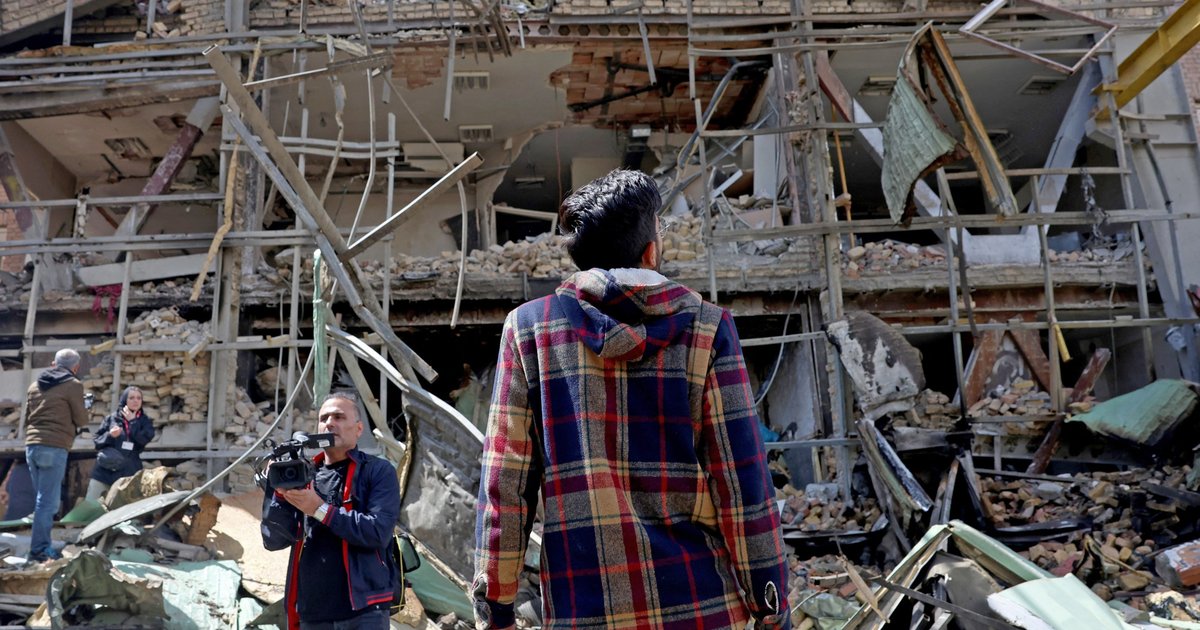
Lebanese authorities evacuated the General Security Center and its database at the Masnaa border crossing with Syria, following Israeli threats to target the site. A Lebanese security source described these warnings as a "serious indicator" amid rising tensions between Lebanon and Israel.
This action comes as hundreds of transport trucks and their drivers remain stranded in the border area, facing the risk of shelling. Concerns have increased regarding the potential for strikes to expand to include civilian infrastructure and major transport routes.
Details of the Incident
This step by Lebanese authorities is seen as a swift response to increasing security developments, with the site fully evacuated to ensure the safety of its personnel. Images circulated on social media show scenes from the Masnaa crossing, where commercial activity appears to have significantly halted.
Fears are growing in Lebanon that these threats could lead to a new military escalation in the region, especially amid ongoing tensions between Hezbollah and Israel. Many observers have confirmed that the situation could become more complicated if these tensions are not contained quickly.
Background & Context
Historically, the Lebanese-Israeli border has witnessed numerous armed conflicts, with the area being the stage for several wars and struggles. Since 2006, when the Second Lebanon War broke out, tensions along the border have persisted, rendering the security situation in the region fragile.
In recent years, Israeli military activities in the area have increased, including airstrikes on targets in Syria, raising concerns for Lebanon and neighboring countries. These activities have escalated tensions among various parties, complicating the situation further.
Impact & Consequences
Israeli threats could lead to a new military escalation in the region, potentially affecting stability in Lebanon and Syria. The evacuation of the crossing may disrupt trade and transport between the two countries, negatively impacting the already crisis-ridden Lebanese economy.
Moreover, the continuation of tensions could lead to an influx of more refugees into Lebanon, increasing pressure on infrastructure and public services. Any military escalation could threaten civilian lives and exacerbate their suffering.
Regional Significance
The current events on the Lebanese-Israeli border are part of a larger picture of tensions in the Arab region. The Israeli-Palestinian conflict, tensions in Syria, and economic crises in Lebanon are all factors affecting the overall stability of the region.
Arab countries must cooperate to alleviate tensions and enhance regional security. Any escalation in Lebanon could have far-reaching consequences, not only for Lebanon but also for neighboring countries.
In conclusion, the situation on the Lebanese-Israeli border remains under observation, with observers expecting tensions to continue to rise if immediate actions are not taken to contain the situation.