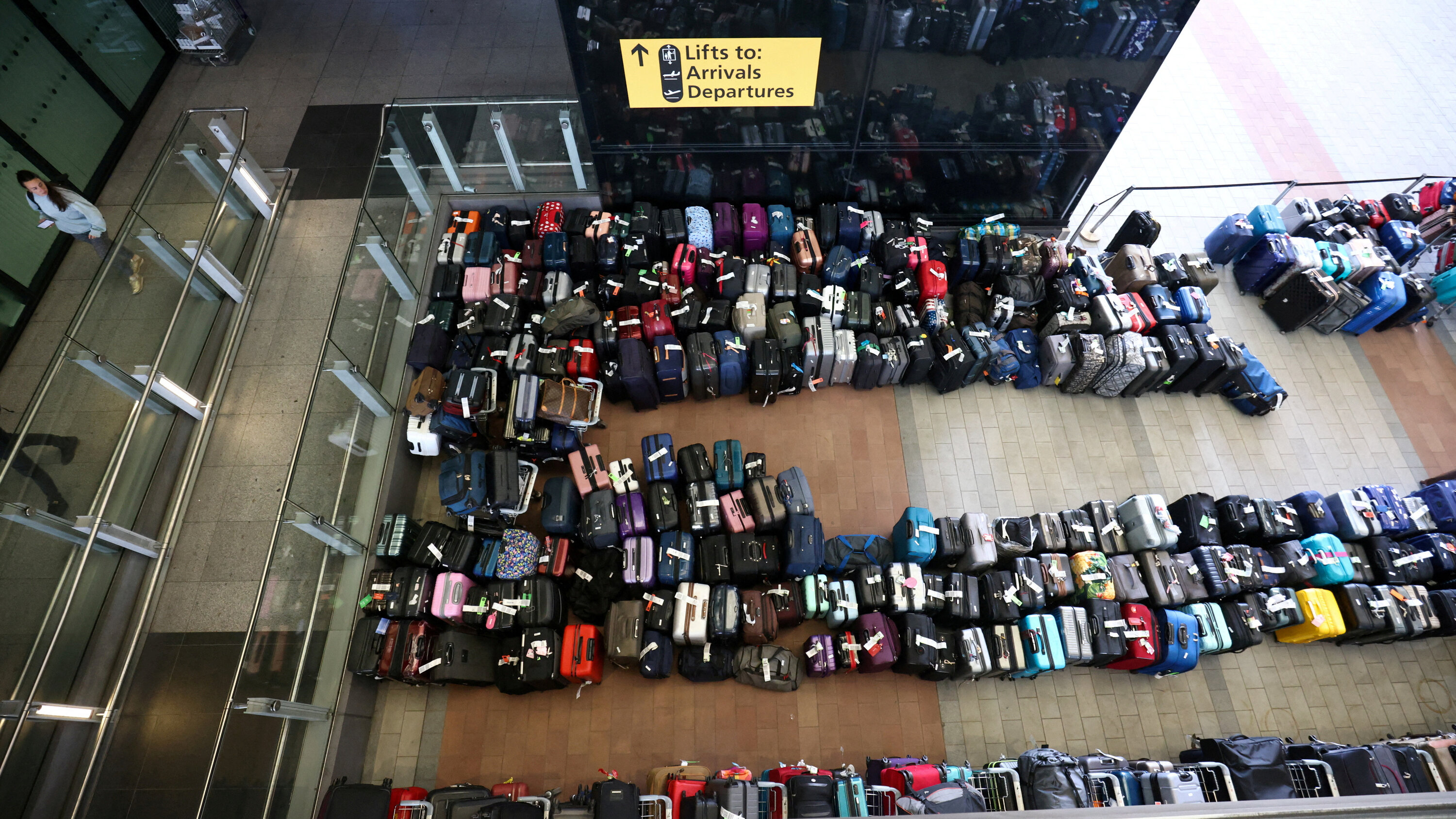
Airlines face significant challenges during crises, raising the question of which is more costly: passengers or luggage? This question highlights the importance of understanding the costs associated with each.
In the wake of global crises, such as the COVID-19 pandemic, airlines have experienced a sharp decline in passenger numbers, which has severely impacted their revenues. However, luggage also represents a financial burden for these companies, as it requires special handling and additional insurance.
Event Details
In recent years, operational costs for airlines have increased significantly. According to industry reports, the cost of transporting a single passenger can reach around $200, while the cost of transporting luggage ranges between $50 to $100 per piece. These figures raise questions about how to manage these costs during tough times.
When airlines face crises, such as natural disasters or pandemics, they find themselves forced to make tough decisions about how to cut costs. In some cases, companies may choose to reduce the number of flights or increase ticket prices, which affects the passenger experience.
Background & Context
Historically, airlines have relied heavily on passenger revenues, but global crises have changed this landscape. For instance, during the COVID-19 crisis, the number of passengers dropped significantly, leading to massive revenue losses. In this context, it has become essential to reassess how to manage costs associated with luggage.
Moreover, competition among airlines is intensifying, prompting them to seek new ways to reduce costs. Some companies have started imposing additional fees for luggage, while others adopt more flexible policies to attract passengers.
Impact & Consequences
These dynamics affect the aviation industry as a whole, as companies must be more innovative in how they deliver their services. Amid economic challenges, rising costs may lead to a reduction in the number of flights or even the closure of some companies.
These changes also impact passengers, who may find themselves facing fewer options and higher prices. In some cases, these conditions could lead to a decline in air travel, affecting the economy overall.
Regional Significance
In the Arab region, the aviation industry is a vital sector, playing an important role in connecting countries and boosting tourism. However, global crises significantly impact this industry, necessitating new strategies to adapt to changes.
Arab airlines face challenges similar to those encountered by global companies, requiring them to think about how to manage costs more effectively. In this context, technological innovations and digital solutions may be key to remaining competitive.
In conclusion, the question of which is more costly, passengers or luggage, remains open for discussion. As crises continue, it will be essential for airlines to reassess their strategies to ensure their sustainability in the future.