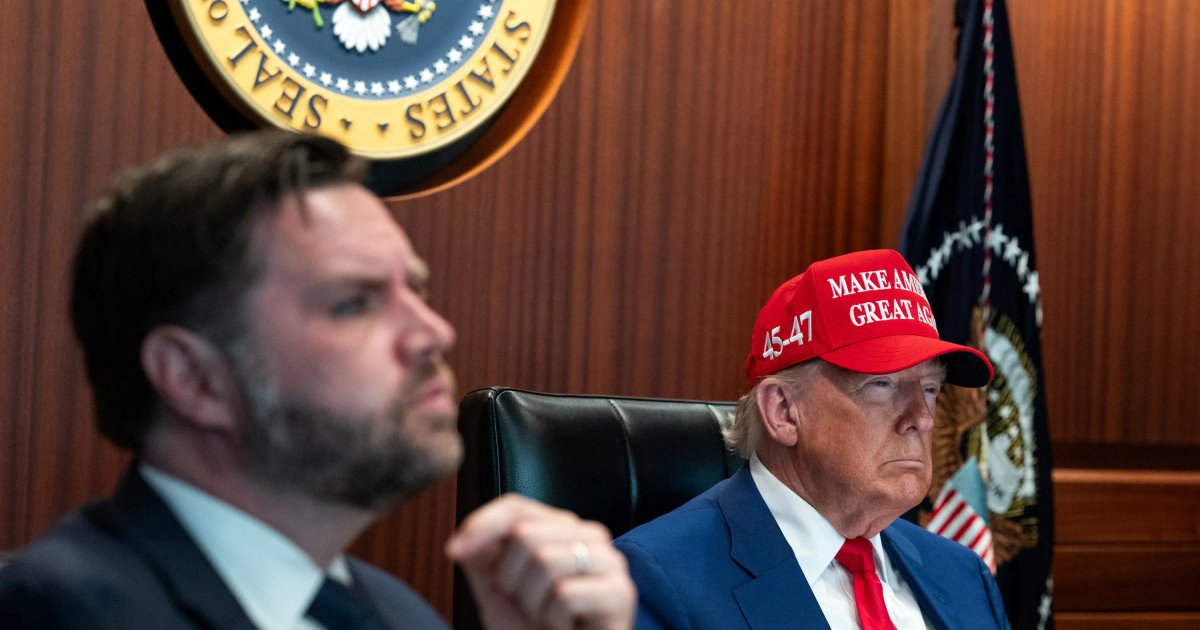
One month after the outbreak of the Iranian war, several objectives sought by President Donald Trump remain unachieved as he attempts to de-escalate tensions. These developments raise questions about the future of the conflict and its impact on the region.
These events come at a sensitive time, as Trump faces increasing pressure from both domestic and international fronts. While he aims to achieve his strategic goals, the reality on the ground presents significant challenges that hinder the realization of these objectives.
Details of the Conflict
Since the beginning of the conflict, there were expectations that Trump would be able to achieve some quick goals, such as reducing Iran's influence in the region and forcing it to negotiate. However, reports indicate that Iranian forces have managed to strengthen their positions, making it difficult for the United States to make any tangible progress.
Additionally, international reactions to Trump's actions may be unpredictable, as criticism from U.S. allies is increasing, complicating the situation further. At the same time, Iran continues to enhance its military capabilities, raising concerns among neighboring countries.
Background & Context
Historically, U.S.-Iranian relations have been marked by ongoing tensions since the Islamic Revolution in 1979. These tensions escalated significantly after the U.S. withdrawal from the nuclear deal in 2018, leading to an intensification of the conflict between the two parties. Since then, Washington has pursued a policy of maximum pressure on Tehran, further complicating the situation in the region.
In this context, the current conflict is part of a broader struggle between regional and international powers. Iran seeks to enhance its influence in the Middle East, while the United States and its allies attempt to curb this influence.
Impact & Consequences
The potential consequences of this conflict are manifold, as the continuation of hostilities could exacerbate humanitarian conditions in the region. Moreover, military escalation could draw other countries into the conflict, further complicating the regional landscape.
Furthermore, these developments may affect oil prices and global financial markets, as Iran is one of the largest oil producers in the world. Any disruptions in Iranian production could lead to price increases, impacting the global economy.
Regional Significance
For Arab countries, the U.S.-Iranian conflict represents a direct threat to security and stability. Iranian military activities in the region raise concerns among many Arab nations, especially those sharing borders with Iran.
These developments may also lead to a reshaping of alliances in the region, as some Arab countries may seek to strengthen their cooperation with the United States to confront Iranian challenges. At the same time, other nations may find themselves compelled to negotiate with Iran to avoid escalation.
In conclusion, the question remains about how events will unfold in the coming days and weeks. As pressure on Trump continues to achieve his goals, it appears that the Iranian conflict will remain one of the most prominent issues affecting international and regional politics in the near future.