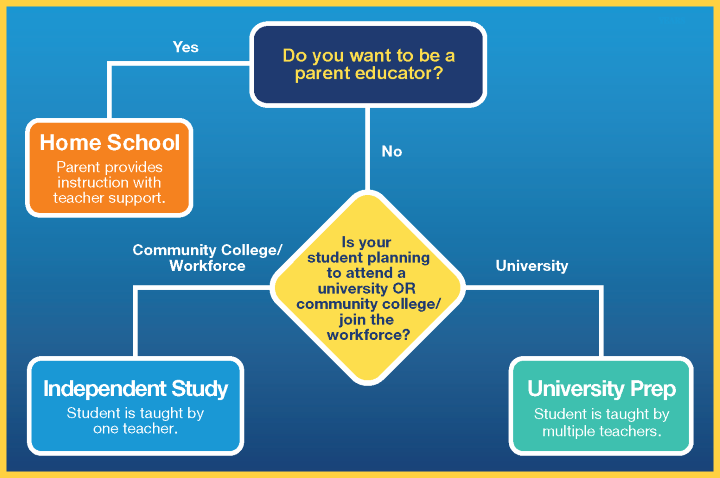
Choosing secondary education is a pivotal step in students' academic journeys, where an educational expert outlines essential criteria to consider before making this decision. These criteria include academic interests and personal inclinations.
Amid the increasing challenges students face in selecting the appropriate educational path, the role of educational experts becomes crucial in providing necessary guidance. One expert emphasized that choosing secondary education as an option depends on several key factors, including the desire for available academic specializations and the ability to achieve academic success.
Details of the Event
The expert noted that students should assess their personal inclinations and abilities before making a decision. Some students may find vocational or technical education more suited to their skills, while others may prefer to pursue academic education. The expert also highlighted the importance of consulting with teachers and parents before making a final decision.
Additionally, he mentioned the necessity of understanding the nature of the subjects in secondary education, as students should be aware of the curricula and requirements of different specializations. This understanding aids them in making an informed decision about their academic future.
Background & Context
In many Arab countries, secondary education is considered a launching point for students toward higher education. With the increasing competition in the job market, it has become essential for students to choose a path that aligns with their ambitions and career goals. Historically, secondary education has been viewed as the traditional choice for students, but with the evolution of education and the diversification of options, it is important to reconsider this choice.
In recent years, many Arab countries have witnessed developments in their educational systems, allowing students multiple options, such as vocational and technical education. This diversity reflects the changes in the job market and its growing demand for practical skills.
Impact & Consequences
Choosing secondary education as an option has far-reaching implications for students' futures. Pursuing academic education may open doors to universities and various specializations, while opting for vocational education could lead to immediate job opportunities after graduation. Therefore, students must be aware of these consequences when making their decisions.
This decision also impacts society as a whole, as having a qualified and educated generation contributes to economic development and increased productivity. Thus, guiding students toward suitable options enhances their chances of success and progress within the community.
Regional Significance
The issue of choosing an educational path is significant in the Arab region, where educational systems vary from one country to another. In some countries, secondary education is the most popular choice, while in others, vocational education is preferred. This diversity reflects the cultural and social differences within the region.
Moreover, the shift toward vocational and technical education may help reduce unemployment rates, especially among youth. Therefore, raising awareness about different educational options is essential for achieving sustainable development in the region.
In conclusion, students should make their decisions based on a comprehensive understanding of labor market requirements and their personal inclinations. Consulting experts and receiving proper guidance can contribute to achieving a bright academic and professional future.