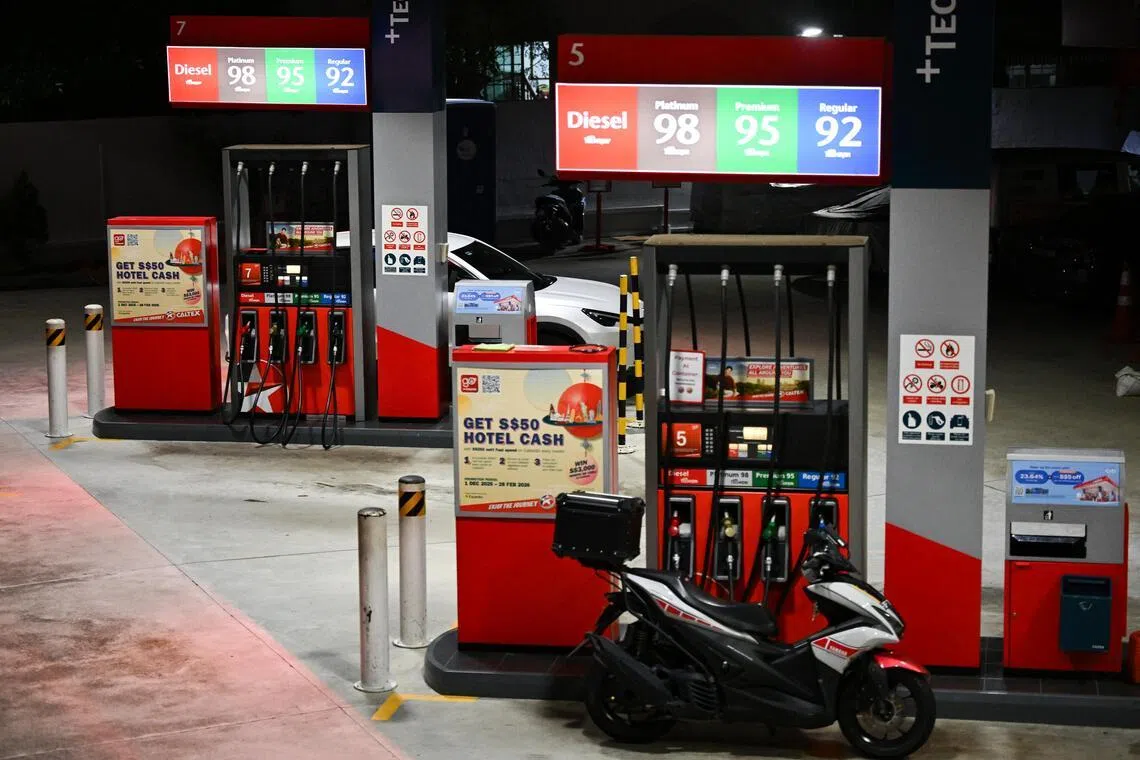
Amid ongoing discussions about how to address rising fuel prices, economist Jeffrey Sio has pointed out that reducing fuel taxes is generally an ineffective approach. Sio highlighted that maintaining price signals can encourage consumers to use energy more efficiently.
These remarks come at a time when many countries are witnessing a significant rise in fuel prices, raising concerns for both consumers and governments. Some governments have proposed tax cuts as a means to alleviate financial burdens on citizens, but Sio believes this step may be ineffective in the long run.
Details of the Event
Sio spoke at an economic conference focused on energy strategies, where he discussed the impact of tax policies on fuel consumption. He explained that reducing taxes could lead to increased consumption, which negatively impacts the environment and increases reliance on non-renewable energy sources.
He also noted that maintaining price signals could encourage consumers to consider more efficient options, such as using public transportation or electric vehicles. In this way, economic policies can contribute to achieving environmental sustainability goals.
Background & Context
Historically, fuel prices have experienced significant fluctuations due to various factors, including geopolitical crises and changes in global oil markets. In recent years, economic crises have increased pressure on governments to provide financial support to citizens, making tax cuts a proposed option.
However, these policies may have long-term repercussions on the economy and the environment. While consumers may feel immediate relief from lower prices, this could exacerbate environmental issues in the long term.
Impact & Consequences
Sio's statements serve as a call to rethink how to address energy issues. Instead of taking short-term measures like tax cuts, governments should focus on long-term strategies that enhance energy efficiency and reduce dependence on fossil fuels.
These strategies may include investing in renewable energy sources and modern technology, contributing to building a more sustainable future. The transition to clean energy requires radical changes in economic and social policies.
Regional Significance
In the Arab region, where many countries rely on oil revenues, these discussions are particularly significant. With increasing environmental and economic pressures, Arab governments must consider how to balance supporting citizens while preserving the environment.
Investments in renewable energy could provide Arab nations with an opportunity to reduce their dependence on fossil fuels, contributing to achieving sustainable development goals. Additionally, enhancing energy efficiency can help improve the overall economic situation.
In conclusion, it is clear that reducing fuel taxes may not be the optimal solution to address economic and environmental challenges. Instead, governments should adopt comprehensive strategies that enhance energy efficiency and contribute to building a sustainable future.