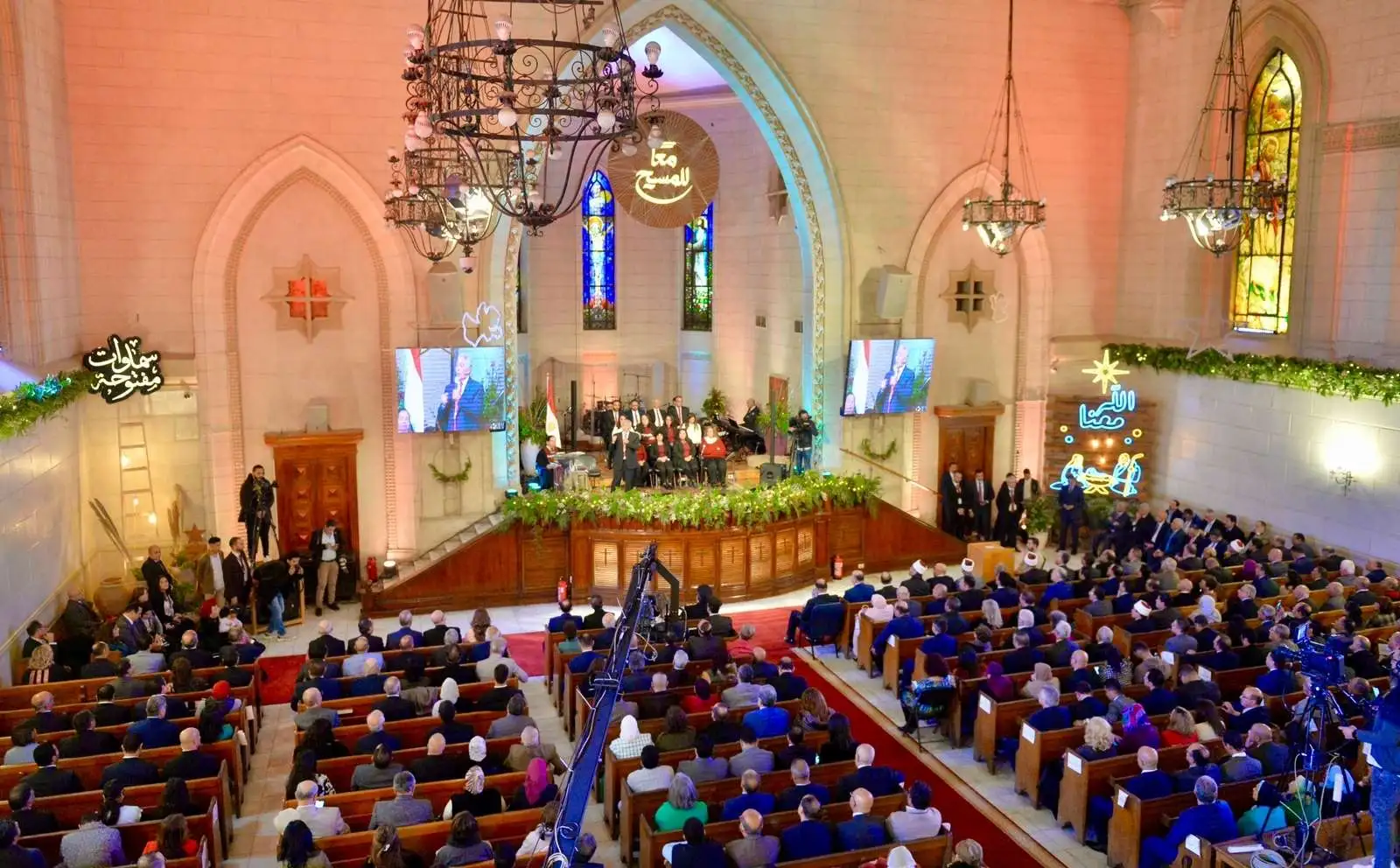
The Evangelical Church in Egypt has called on all its affiliated churches to implement effective measures to conserve energy, aligning with the government's efforts to address the energy crisis facing the country. The church emphasized that this initiative is timely and requires cooperation and contribution from all civil society institutions, including churches, to alleviate economic burdens.
Through this call, the Evangelical Church aims to raise awareness about the importance of energy conservation, especially given the challenging economic conditions the country is experiencing. Church leaders pointed out that churches can play a significant role in promoting a culture of sustainability and resource conservation.
Details of the Initiative
This call comes at a time when Egypt is suffering from a severe energy crisis, with electricity and gas prices rising significantly, impacting the lives of citizens and various economic sectors. The church issued an official statement stressing the necessity of taking immediate measures to conserve energy in all activities and events held in churches.
The church also highlighted the importance of using renewable energy sources, such as solar energy, as part of its strategy for consumption reduction. It noted that many churches have already begun implementing small projects for solar energy generation, contributing to lower electricity bills.
Background & Context
Historically, Egypt has faced challenges in the energy sector, heavily relying on natural gas and oil. Population growth and economic expansion have led to increased energy demand, posing significant challenges for the government in providing sustainable energy solutions.
In recent years, the Egyptian government has taken numerous steps to improve energy efficiency, including implementing projects to upgrade energy infrastructure and increase reliance on renewable energy sources. However, challenges remain, necessitating a collective effort from all segments of society.
Impact & Consequences
The Evangelical Church's call for energy conservation could lead to positive effects on the community, encouraging citizens to take similar steps in their homes and businesses. This initiative may also help reduce pressure on the electricity grid and improve resource use efficiency.
Moreover, this step could foster cooperation among various religious denominations and civil society in Egypt, reflecting a spirit of unity and solidarity in facing common challenges.
Regional Significance
The energy crisis is a critical issue in many Arab countries, where several nations face similar challenges regarding affordable energy provision. The experience of the Evangelical Church in Egypt could serve as a model for other Arab countries seeking to enhance energy consumption efficiency.
Raising awareness about the importance of energy conservation can contribute to achieving sustainable development goals in the region, reflecting the commitment of Arab nations to address environmental and economic challenges.
In conclusion, the Evangelical Church's call for energy conservation represents an important step towards achieving sustainability and reflects the growing awareness of the need for cooperation among all segments of society in addressing economic challenges.