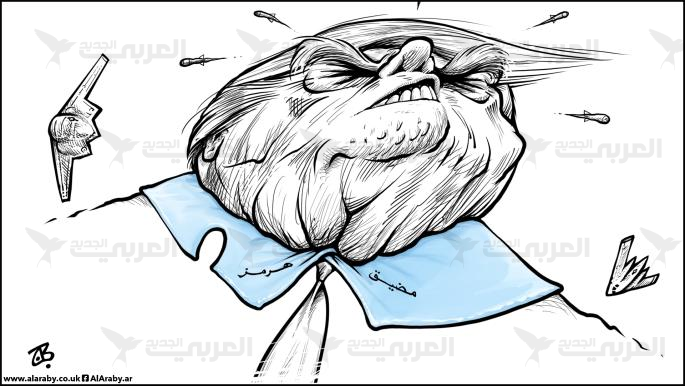
The geography of Iran reveals the limitations of American actions, as temporal conditions hinder tangible results. Each bombing adds unexpected losses, reflecting the complexities of the conflict in the region.
The Iranian geography is characterized by its rugged terrain and climatic diversity, making it difficult for American forces to achieve their strategic objectives. These geographical factors play a significant role in determining the paths of military operations and directly affect the United States' ability to implement its strategies in the region.
Details of Military Operations
American military operations in the Middle East, particularly in Iran, are on the rise as the United States seeks to undermine Iranian influence in the region. However, Iranian geography poses a significant obstacle to these efforts. The mountainous and desert terrains complicate troop movements and increase the difficulty of executing military operations accurately.
Moreover, the escalating tensions between the United States and Iran contribute to the intensification of the conflict, as both nations exchange accusations and continue mutual military operations. This dynamic complicates the possibility of reaching a peaceful settlement, increasing the likelihood of escalation in the future.
Background & Context
Historically, Iran has been a focal point of regional and international conflicts, experiencing decades of tensions with the United States and other countries. Since the Islamic Revolution in 1979, Iran has become a key player in regional politics, complicating relations with major powers.
The United States aims to contain Iranian influence through economic and military sanctions; however, these strategies have not yielded the desired results. On the contrary, they have strengthened Iran's position and increased popular support for the regime.
Impact & Consequences
Reports indicate that American military operations in Iran could lead to an escalation of the conflict, threatening regional stability. Each bombing adds more casualties, both in terms of lives and property, complicating the possibility of achieving peace.
Furthermore, rising tensions could impact the global economy, particularly in the energy sector. Iran is considered one of the largest oil producers in the world, and any escalation in the conflict could affect oil prices and disrupt supplies.
Regional Significance
Neighboring Arab countries are among the most affected by the conflict. Tensions between the United States and Iran could lead to negative repercussions on security and stability in the region. Gulf states, in particular, may find themselves in a difficult position between supporting the United States and maintaining their relations with Iran.
Additionally, military escalation could enhance the activity of armed groups in the region, increasing chaos and instability. Therefore, the situation requires an urgent diplomatic solution to avoid further escalation.
In conclusion, the geography of Iran reveals the limitations of American actions, necessitating a reassessment of the strategies employed. The challenges faced by the United States in the region require new thinking and international cooperation to achieve stability and peace.