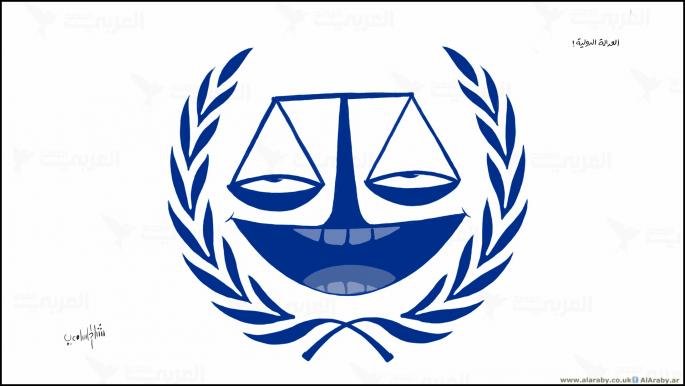
The experience of former President Michelle Bachelet in Chile reveals that international justice is not merely a legal framework but a complex arena where ethical principles intertwine with political considerations. This experience sheds light on the challenges faced by the international community in holding rulers accountable for serious human rights violations.
Michelle Bachelet, who served as the President of Chile from 2006 to 2010 and again from 2014 to 2018, is one of the most controversial political figures in the country’s history. She faced accusations of corruption and mismanagement, raising questions about the feasibility of holding rulers accountable within a complex international legal system.
Event Details
In recent years, Chile has witnessed significant political transformations, culminating in the adoption of a new constitution following widespread protests in 2019. These protests stemmed from citizens' feelings of social and economic injustice, leading to strong calls for accountability. However, there remain substantial challenges to achieving justice, as political interests often clash with popular demands.
Bachelet's experience reflects how international justice can be a double-edged sword. On one hand, nations strive to hold rulers accountable for their violations; on the other hand, these mechanisms may be used as tools for political pressure. This conflict between ethics and politics raises questions about the effectiveness of international justice in achieving true justice.
Background & Context
The history of Chile is filled with complex political events, having endured a harsh military dictatorship led by Augusto Pinochet from 1973 to 1990. This regime left deep scars on Chilean society, prompting the establishment of legal mechanisms to hold those responsible for human rights violations accountable. Nevertheless, these mechanisms remain under continuous political pressure, raising concerns about their independence.
Bachelet's experience is not unique; it mirrors similar experiences in other countries where the international community seeks to hold rulers accountable for their violations. However, the challenges facing these efforts indicate that international justice is still evolving and requires further support and international cooperation.
Impact & Consequences
Chile's experience influences how countries address human rights issues on the international stage. The success or failure of holding rulers accountable can affect trust in international institutions and determine the effectiveness of international justice. If Chile manages to achieve justice, it could become a model for other countries facing similar challenges.
Conversely, if it fails to hold rulers accountable, it may lead to disillusionment among other populations seeking justice, thereby increasing distrust in international legal systems. This dynamic reflects the ongoing struggle between ethical principles and political considerations in the international arena.
Regional Significance
Chile's experience offers valuable lessons for Arab countries grappling with human rights issues. In many Arab nations, ruling regimes continue to face widespread criticism for human rights violations. Holding rulers accountable in these countries may be a complex process, but it is essential for achieving social and political justice.
Furthermore, international experiences in holding rulers accountable can inspire human rights movements in the Arab region, bolstering popular demands for justice and accountability. Strengthening international justice could contribute to building more stable and prosperous societies.
In conclusion, Bachelet's experience in Chile serves as a thought-provoking model regarding international justice. The challenges of holding rulers accountable reflect the ongoing conflict between ethics and politics, necessitating further international efforts to achieve true justice.