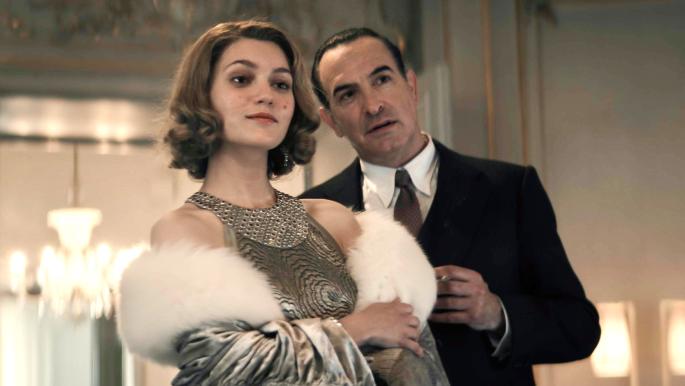
The latest work by French director Xavier Giannoli presents a controversial story about a French journalist who played a role in collaborating with the Nazis, leading to his execution after the end of World War II. The film, titled "Rays and Shadows", sparks discussions about sympathy and condemnation towards the gray characters who lived during that tumultuous period.
The plot revolves around a French journalist who shows sympathy towards the Nazis, making him a subject of widespread debate. After the war, he is tried and executed for his actions, highlighting the moral tensions experienced by French society at that time. Despite the intriguing storyline, some critics point out that the film may become tedious in certain scenes, which weakens its overall impact.
Event Details
The film's events unfold during World War II, where the journalist faces significant challenges in his work. It illustrates how the daily lives of French citizens intertwined with the major events occurring in Europe. Through the portrayal of complex relationships among characters, Giannoli aims to provide a comprehensive view of that era.
After the war, the journalist is prosecuted for collaborating with the Nazis, raising debates about the concept of justice in wartime. The film shows how some characters lived in a gray area between right and wrong, prompting viewers to question the nature of good and evil in difficult times.
Background & Context
Historically, France experienced a period of rebuilding national identity after World War II, marked by a struggle between those who collaborated with the Nazi occupation and those who resisted. This era was filled with social and political tensions, as many sought to justify or conceal their actions.
The film emerges amidst a growing interest in movies addressing themes of war and justice, as filmmakers seek to explore the moral complexities that arise in times of crisis. "Rays and Shadows" is considered part of this trend, offering an artistic vision that tackles complex issues related to identity and society.
Impact & Consequences
The film may ignite discussions on how societies deal with their past, especially concerning crimes committed during wars. This topic is sensitive in many countries, where people strive to understand their history and learn from past mistakes.
Additionally, the film could contribute to enhancing dialogue around the concept of transitional justice and how societies can address individuals who committed unethical acts under harsh circumstances. This discussion may hold particular significance in Arab contexts, where some countries continue to suffer from the effects of ongoing wars and conflicts.
Regional Significance
The historical events depicted in the film illustrate how wars impact societies in various ways, making it essential to understand these dynamics. In the Arab region, where many countries have experienced wars and conflicts, the film could influence raising awareness about the importance of justice and reconciliation.
Moreover, the film may inspire Arab filmmakers to explore similar themes related to identity and historical memory, contributing to enriching the cultural and artistic landscape in the region.
In conclusion, "Rays and Shadows" is an artistic work worth watching, as it combines entertainment with critical thinking about complex issues related to humanity.