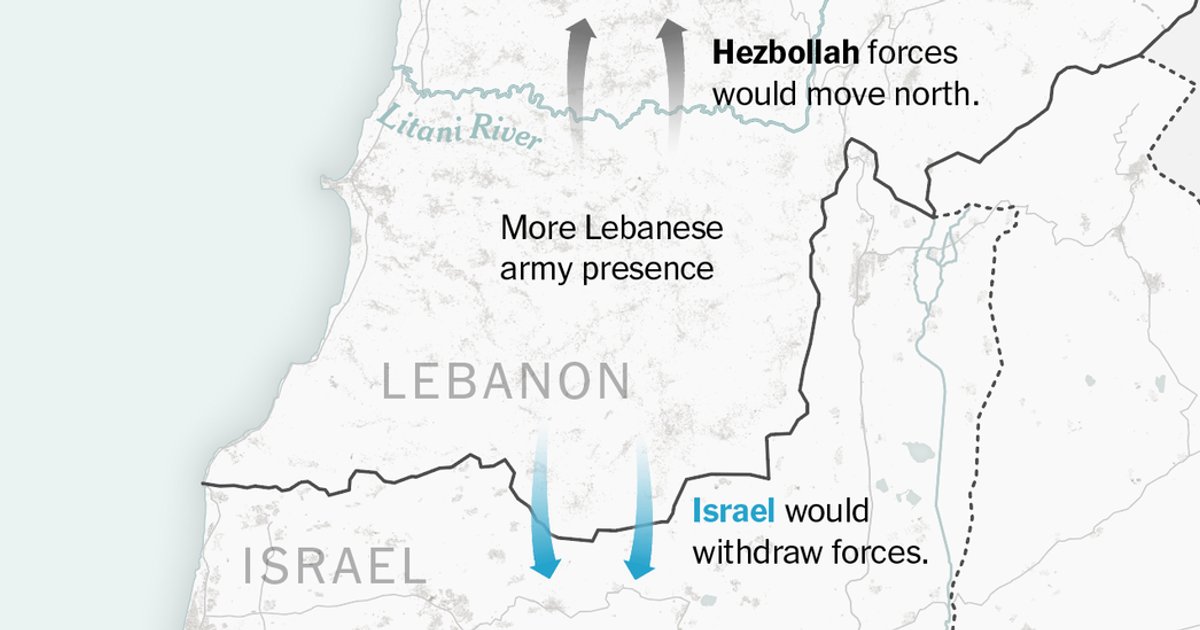
Between 1982 and 2000, Lebanon suffered from a prolonged Israeli occupation, which left deep scars on Lebanese society. This occupation was not just a military presence; it had far-reaching political, social, and economic implications.
In 1982, the Israeli army launched a large-scale military operation in Lebanon, under the pretext of eliminating the Palestinian Liberation Organization. This operation led to the occupation of vast areas of Lebanese territory, including the capital Beirut, where the occupation continued until 2000, when Israeli forces unilaterally withdrew.
Details of the Occupation
During the occupation, the Israeli army established security zones in southern Lebanon, which were directly controlled by Israeli forces. This period witnessed numerous human rights violations, including killings, arbitrary arrests, and torture. Heavy weaponry was also used against civilians, resulting in the destruction of many homes and infrastructure in the occupied areas.
In 1985, the Israeli army announced its withdrawal from some Lebanese territories, yet maintained its military presence in other areas, leading to the continuation of Lebanese resistance. This resistance, led by Hezbollah, posed a significant challenge to the Israeli occupation, as it successfully carried out numerous military operations against Israeli forces.
Background & Context
The history of the Lebanese-Israeli conflict spans several decades, with the region experiencing ongoing tensions due to the Arab-Israeli conflict. Historical events, such as the 1973 war, played a crucial role in shaping the relations between Lebanon and Israel. Additionally, foreign interventions, including U.S. support for Israel, exacerbated the conflict.
During the occupation, Lebanon was grappling with multiple internal crises, including the civil war that erupted in 1975, which led to the disintegration of the Lebanese state and increased sectarian divisions. The Israeli occupation exploited these divisions to reinforce its military presence in the country.
Impact & Consequences
The Israeli occupation left profound effects on Lebanon, as military operations resulted in the destruction of infrastructure and a surge in poverty and unemployment. The occupation also contributed to increased sectarian divisions, as some political factions exploited the situation to enhance their influence.
After the withdrawal of Israeli forces in 2000, Lebanon experienced a period of relative stability, yet the impacts of the occupation remain. This period led to the strengthening of Lebanese resistance, which became a symbol of resilience against occupation.
Regional Significance
The Israeli occupation of Lebanon is part of the broader conflict between Arabs and Israel, where the Palestinian issue continues to be a central theme in Arab politics. Events in Lebanon have affected relations between Arab states, highlighting the need for unity to face common challenges.
Moreover, Lebanon's experience with the Israeli occupation underscores the importance of supporting resistance and advocating for the rights of peoples against occupation. This experience inspires many popular movements in the region, striving for justice and freedom.
In conclusion, the Israeli occupation of Lebanon remains a significant event in the region's history, reflecting the ongoing conflicts and challenges faced by Arab peoples in their quest for freedom and independence.