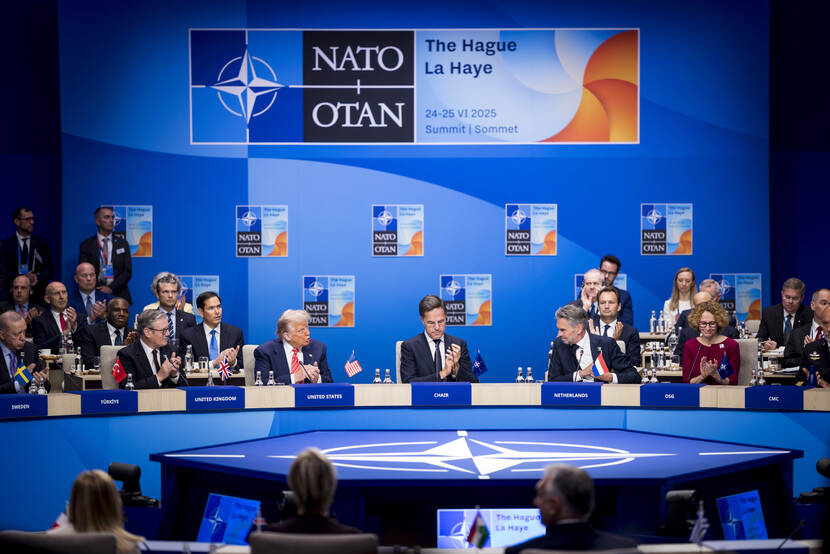
NATO is currently experiencing a deep conflict that goes beyond traditional disagreements regarding Iran, as the discussion addresses the very essence of the alliance itself. The pivotal question arises: does NATO represent a mutual commitment among member states, or has it transformed into a tool of American pressure on its allies?
This conflict reflects the increasing tensions within the alliance, which have become apparent for some time, especially in light of the geopolitical changes occurring around the world. With the rise of security threats, NATO member states are facing new challenges that require a reassessment of the alliance's role and objectives.
Details of the Current Situation
Recently, voices within NATO have intensified calling for a reevaluation of the alliance's strategies. Some member states, such as Turkey, have expressed dissatisfaction with US policies, while others are seeking to enhance European military cooperation. This divergence in opinions illustrates a lack of consensus on how to address security threats, whether from Iran or Russia.
Concerns are growing that the alliance may lose its effectiveness if these disagreements persist. While the United States aims to use NATO as a tool to bolster its influence, some European nations feel they are under undue pressure, exacerbating tensions within the alliance.
Background & Context
NATO was established in 1949 as a military alliance aimed at countering Soviet threats. With the collapse of the Soviet Union, the nature of threats changed, leading to a reevaluation of NATO's role. As new challenges emerged, such as international terrorism and regional conflicts, it became essential to rethink the alliance's strategies.
In recent years, we have witnessed a rise in tensions between NATO and Russia, particularly following the annexation of Crimea in 2014. This escalation has prompted many member states to enhance their military capabilities, increasing the need for greater coordination within the alliance.
Impact & Consequences
If the current conflict within NATO continues, it could lead to the disintegration of the alliance or, at the very least, a reduction in its effectiveness. This means that member states may find themselves compelled to act individually to confront threats, increasing the likelihood of new conflicts in the region.
Moreover, a weakened NATO could embolden countries like Russia to take more aggressive actions, further destabilizing Europe. At the same time, this could lead to strengthened relationships between European nations and other countries outside NATO, altering the global balance of power.
Regional Significance
The Arab region is directly affected by this conflict, as stability in Europe has implications for regional security. With increasing threats from Iran, Arab nations may find themselves in a position that requires them to enhance cooperation with NATO or even seek new alliances.
Additionally, any deterioration in relations among NATO member states could impact the military and economic support provided to Arab countries, complicating the security landscape in the region.
In conclusion, the current conflict within NATO represents a significant challenge not only for the alliance itself but for the entire world. As members strive to define their future, the most pressing question remains: can NATO overcome these crises and regain its role as an effective alliance in addressing global threats?