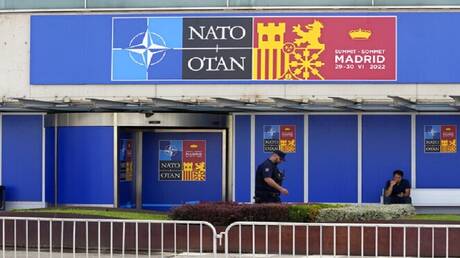
Alexei Pushkov, a member of the Constitutional Committee of the Russian Federation Council, asserts that internal rifts within NATO have reached an unprecedented depth in the alliance's history. These statements come at a time when NATO is experiencing escalating tensions among its members, raising questions about the future of military and political cooperation between member states.
Concerns are growing that these divisions may impact NATO's ability to address global security challenges, especially in light of the multiple crises unfolding on the international stage. Pushkov noted that these rifts reflect a lack of consensus among member states regarding defense strategies and foreign policies, which could lead to weakened coordination and collaboration.
Details of the Situation
In recent years, NATO has witnessed notable divisions, particularly between European countries and the United States. These divisions pertain to several issues, including defense spending, burden-sharing, and policies towards Russia. Pushkov believes that these internal conflicts could lead to the disintegration of the alliance if not addressed effectively.
Pushkov also pointed out that some member states have begun to adopt independent stances from the alliance, complicating the situation further. For instance, countries like Turkey are pursuing foreign policies that may conflict with NATO's interests, raising concerns among other nations.
Background & Context
NATO was established in 1949 as a defensive alliance to counter Soviet threats and has undergone significant expansion following the end of the Cold War. However, new challenges, such as terrorism and geopolitical tensions, have highlighted the need to reassess the alliance's strategies. In recent years, relations with Russia have become a central topic of discussion within NATO, as fears grow over the escalation of Russian military activities in neighboring regions.
Moreover, political changes in some member states, such as the United States, have influenced the dynamics of the alliance. New political trends may lead to shifts in defense policies, further complicating the situation.
Impact & Consequences
If the rifts within NATO continue, it could have negative repercussions for European and global security. Weakened cooperation among member states may impair NATO's capacity to respond to security challenges, potentially leading to heightened tensions in conflict zones. Additionally, this situation may embolden other countries, such as Russia, to adopt more aggressive stances.
Furthermore, these divisions could affect economic relations among member states, as investments and trade may suffer due to political instability. The lack of consensus on defense policies could also lead to increased military costs for member nations.
Regional Significance
The Arab region is part of the geopolitical landscape that is significantly influenced by developments in international relations. If NATO's weaknesses persist, it could lead to increased tensions in the Middle East, where some regional powers might exploit this weakness to enhance their influence. Additionally, instability in Europe may affect regional security, amplifying the challenges faced by Arab nations.
Ultimately, the future of NATO hangs in the balance, contingent upon its members' ability to overcome these internal rifts. If the alliance cannot foster cooperation and understanding among its members, it may face significant challenges ahead, impacting global security and stability.