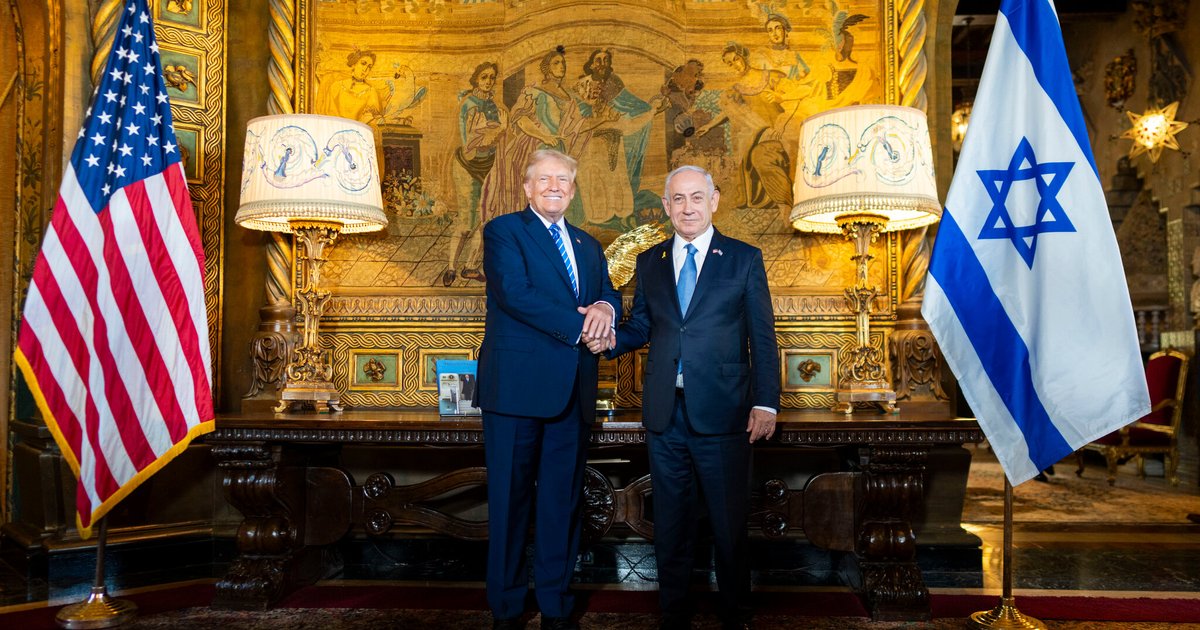
The fears of escalating tensions in the region are growing with the war being waged by the United States, in collaboration with Israel, against Iran. This war, considered the first of its kind with Israel's direct involvement, raises questions about the true objectives behind it.
The decision to initiate wars has always been a dilemma for decision-makers, as igniting them is easy but concluding them is difficult. The declared objectives may be clear, but the undisclosed goals remain ambiguous, complicating the situation further.
Details of the Event
The United States is considered the foremost military power in the world; however, Israel's entry into this war reflects a strategic shift in the conflict in the Middle East. The alliance between Washington and Tel Aviv indicates a shared desire to confront Iranian threats, which are seen as a major concern for both countries.
Reports indicate that military operations are targeting strategic sites in Iran, raising questions about the effectiveness of this strategy in achieving the desired objectives. At the same time, fears are increasing regarding potential Iranian reactions, which could lead to greater escalation in the region.
Background & Context
Historically, the relationship between the United States and Israel has been based on military and security cooperation. With rising tensions in recent years, especially following the U.S. withdrawal from the Iranian nuclear deal, it has become clear that greater coordination between the allies is necessary to address shared challenges.
Iran, regarded as a major regional power, seeks to enhance its influence in the area, causing concern among many nations, including those in the Gulf. This conflict also reflects broader struggles in the region, including disputes in Syria and Iraq.
Impact & Consequences
The potential ramifications of this war could be far-reaching. If the United States and Israel succeed in achieving their goals, the balance of power in the Middle East may change drastically. However, if they fail, it could lead to an escalation of the conflict and increased tensions among major powers in the region.
Moreover, this war could impact the global economy, particularly in the energy sector, as Iran is one of the main oil-exporting countries. Any disruptions in the region could lead to rising oil prices and economic repercussions for consuming nations.
Regional Significance
For Arab countries, the rising tensions between the United States and Iran may lead to a reassessment of their security strategies. Many Arab nations may find themselves compelled to adapt to a new reality, where pressures from major powers could increase.
This war could also lead to heightened polarization in the region, threatening stability in countries like Iraq, Syria, and Lebanon. Under these circumstances, it becomes essential for Arab nations to adopt effective policies to address new challenges.
In conclusion, the war waged by the United States and Israel against Iran remains a complex issue that requires careful monitoring. The undisclosed objectives may carry significant implications at both the regional and international levels, necessitating all parties to thoughtfully consider their future options.