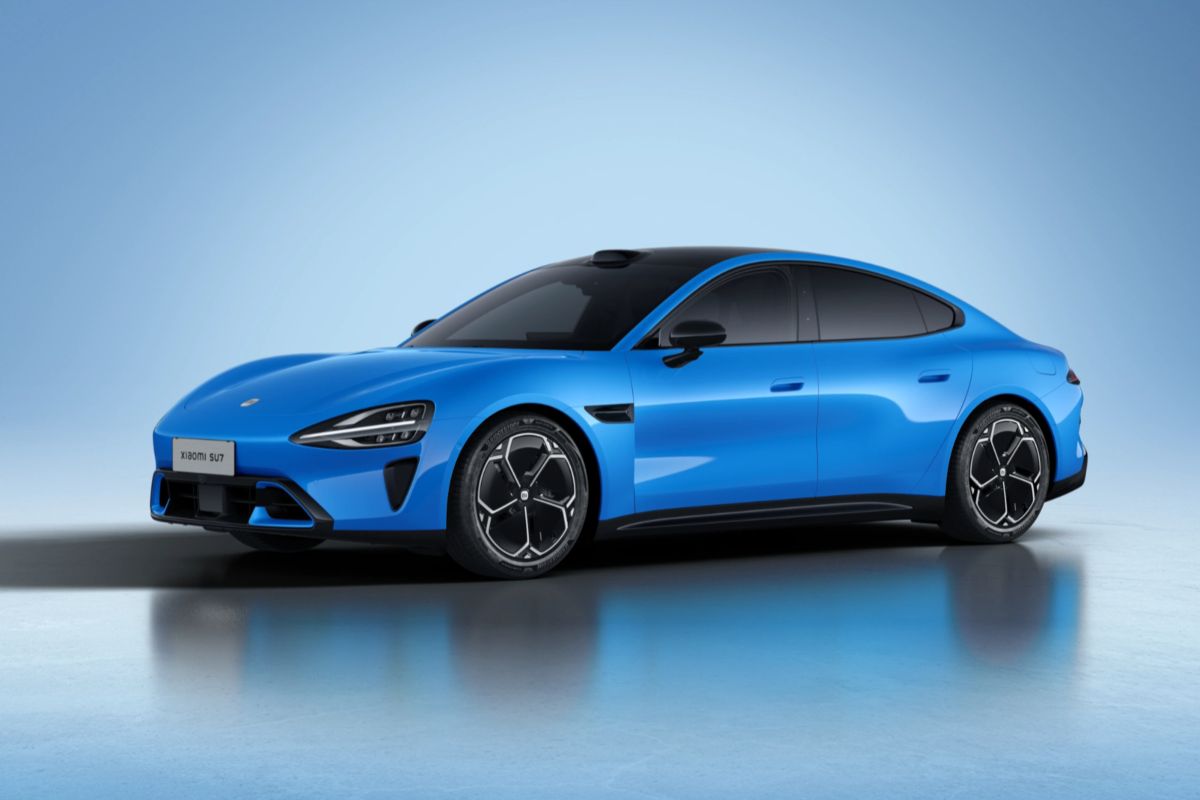
Xiaomi's founder and CEO, Lei Jun, announced that the demand for the new 2026 Xiaomi SU7 electric car has surpassed 40,000 units as of April 2. This announcement follows the company's achievement of shipments totaling 20,000 units in March, reflecting significant market interest.
The Xiaomi SU7 is considered one of the standout electric models launched by the company, with deliveries commencing on March 23. More than 7,000 units of this model have been delivered in a short period. This success reflects the strength of the Xiaomi brand and its ambitious expansion strategies.
Details of the Event
Reports indicate that the high demand for the SU7 comes at a time when market trends are shifting, as the Xiaomi YU7 has seen a decline in demand, leading to a reduction in the waiting period from 33 to 56 weeks to 7 to 14 weeks. This dynamic illustrates the challenges Xiaomi faces in maintaining a balanced portfolio of models.
To address these challenges, the company has appointed Kong Yanshuang, the former General Manager of Tesla in China, to lead its automotive sales division. This move reflects Xiaomi's commitment to enhancing its sales system and expanding its product range.
Background & Context
Founded in 2010, Xiaomi initially started as a smartphone manufacturer but quickly expanded to include various fields, including home appliances and electric vehicles. The SU7 is part of its strategy to enter the electric vehicle market, which is experiencing increasing growth worldwide.
Xiaomi aims to expand its portfolio of electric vehicles by launching 4 to 6 new models in 2026, reflecting the company's vision to compete in the growing electric vehicle market. These new models will include pure electric vehicles and extended-range models, focusing on various designs such as sedans and SUVs.
Impact & Consequences
This move by Xiaomi signifies a significant shift in the automotive industry, where technology companies are competing with traditional automakers. The success of the SU7 may encourage more tech companies to enter the electric vehicle market, increasing competition and fostering innovation.
This dynamic is expected to lead to improved product quality and reduced prices, benefiting consumers. Additionally, Xiaomi's entry into this market could contribute to sustainability by offering more efficient and environmentally friendly electric options.
Regional Significance
Considering the Arab market, Xiaomi's entry into the electric vehicle sector may open new horizons for collaboration and investment in this field. Many Arab countries are striving to adopt electric vehicle technology as part of their sustainable development strategies.
These developments could enhance innovation in the region and create new job opportunities, boosting economic growth. Furthermore, increasing awareness of electric vehicles may encourage more Arab consumers to consider sustainable transportation options.
In conclusion, the demand and shipments of the Xiaomi SU7 indicate that the electric vehicle market is thriving, paving the way for further innovations and developments in the automotive industry.