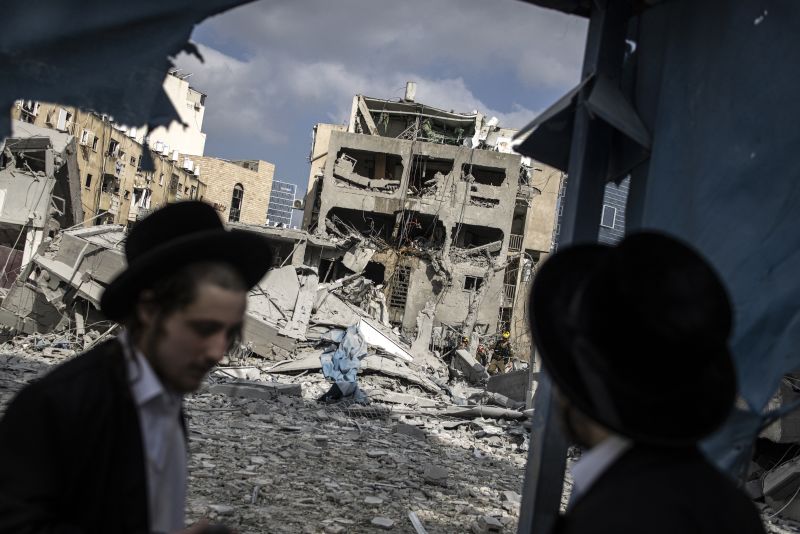
In the early hours of Saturday, a serious escalation occurred in the ongoing conflict between Israel and Iran, as both sides exchanged air and missile strikes. This escalation comes at a sensitive time, with the war between the two parties continuing for nearly a month, heightening tensions in the region.
These airstrikes are part of a series of reciprocal attacks that began with the onset of the conflict, as both Israel and Iran seek to achieve their strategic objectives in the area. Israeli military sources confirmed that they targeted Iranian sites in Tehran, while Iran retaliated by launching missiles at Israeli targets, reflecting an unprecedented escalation in military operations.
Details of the Incident
Reports indicate that the Israeli strikes targeted sensitive military sites in the Iranian capital, Tehran, where it is believed these sites contain advanced weapons and air defense systems. In response, Iran launched missiles towards targets in Israel, resulting in the destruction of some military facilities.
This escalation occurs at a time when relations between the two countries are increasingly strained, with Israel accusing Iran of attempting to bolster its influence in the region by supporting armed groups. Additionally, these events unfold amid ongoing nuclear negotiations between Iran and major powers, complicating the regional landscape further.
Background & Context
The roots of the conflict between Israel and Iran date back decades, with each side viewing the other as an existential threat. Over the years, Israel has carried out numerous attacks on Iranian sites in Syria, attempting to prevent Iran from strengthening its military presence near its borders. Conversely, Iran seeks to expand its influence in the region by supporting armed groups such as Hezbollah in Lebanon and militias in Iraq.
This current war is part of a broader struggle between regional and international powers, as major forces compete for influence in the Middle East. This conflict has exacerbated humanitarian conditions in the region, with civilians suffering the consequences of the ongoing war.
Impact & Consequences
This escalation could have far-reaching implications for regional security. As military operations increase, the situation may escalate further, threatening the stability of the entire region. Furthermore, the continuation of this conflict may lead to heightened tensions among major powers, especially given the multiple interests at stake in the area.
Additionally, these events could impact the regional economy, potentially leading to rising oil prices and increased instability in financial markets. The military escalation may also hinder peace efforts and increase the suffering of civilians in conflict-affected areas.
Regional Significance
The ongoing events between Israel and Iran directly affect Arab countries, with many nations expressing concern over the rising tensions. As the conflict escalates, Arab states may find themselves compelled to intervene or take clear stances, complicating regional relations further.
Moreover, these events could lead to increased divisions within Arab states, as countries differ in their positions regarding the conflict between Israel and Iran. Simultaneously, these developments may encourage some armed groups to intensify their activities, further raising internal tensions in certain countries.
In conclusion, the situation in the region remains complex, with overlapping regional and international interests making it difficult to predict the course of events. The current escalation between Israel and Iran reflects the increasing tensions in the area and suggests that the conflict may persist for an extended period, threatening security and stability in the Middle East.